Could India and France Build a Next-Generation Fighter Together in the Wake of FCAS's Collapse?

Summary
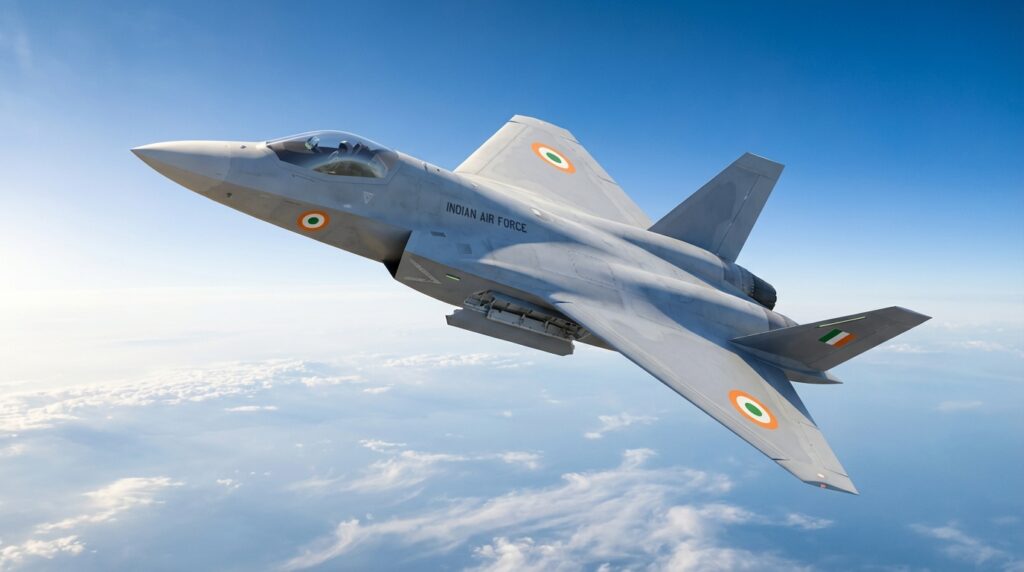
Back in April 2018, Quwa predicted that India would likely join the Franco-German Future Combat Air System (FCAS) program after withdrawing from Russia's Su-57 Fifth Generation Fighter Aircraft partnership, outlining six specific strategic and economic reasons why such a partnership made sense for both India and France. Eight years later, that prediction has largely materialized, though in an unexpected form, as the FCAS program is now fracturing under severe Franco-German industrial disagreements while India's Defence Ministry has officially informed Parliament that the Indian Air Force intends to join a European sixth-generation fighter consortium "right away." India is currently evaluating two possible pathways: the Global Combat Air Programme (GCAP), led by the UK, Italy, and Japan, or the troubled FCAS, which now faces an uncertain future without strong German commitment. The Indian government's push for sixth-generation partnership runs alongside its continued investment in the indigenous Advanced Medium Combat Aircraft (AMCA) program, suggesting India seeks complementary international collaboration rather than a full replacement for domestic development. The central question now shifts to whether France, having potentially lost Germany as its primary FCAS partner, would be willing to offer India the deep co-development arrangement that New Delhi has consistently demanded as a prerequisite for such partnerships.
Key Takeaways
- 1. **Strategic Vindication of Early Analysis:** Quwa's 2018 forecast that India would gravitate toward a European sixth-generation fighter program has proven remarkably accurate, with all six originally identified strategic dynamics having materialized or intensified over eight years
- 2. **FCAS Program Vulnerability Creates Opportunity:** The collapse of Franco-German industrial cooperation within FCAS has paradoxically opened a potential entry point for India, as France may now need a large-scale partner to keep the program economically and industrially viable
- 3. **India Faces a Binary European Choice:** New Delhi must evaluate two distinct sixth-generation pathways — the more stable GCAP consortium (UK, Italy, Japan) versus the troubled but potentially more accessible FCAS — each carrying different levels of risk and co-development opportunity
- 4. **Co-Development Terms Remain the Critical Hurdle:** India's historical insistence on deep technology transfer and genuine industrial participation means France must decide whether it can offer more meaningful partnership terms than previously considered acceptable under the Franco-German arrangement
- 5. **Indigenous and International Programs Must Coexist:** India's parallel investment in the domestic AMCA program signals that any sixth-generation partnership will need to complement rather than undermine India's own aerospace sovereignty goals, complicating but not preventing international collaboration