Operation Epic Fury: American Forces Attack Over 90 Targets on Iran's Kharg Island While Tehran Launches Retaliatory Strikes Throughout the Region
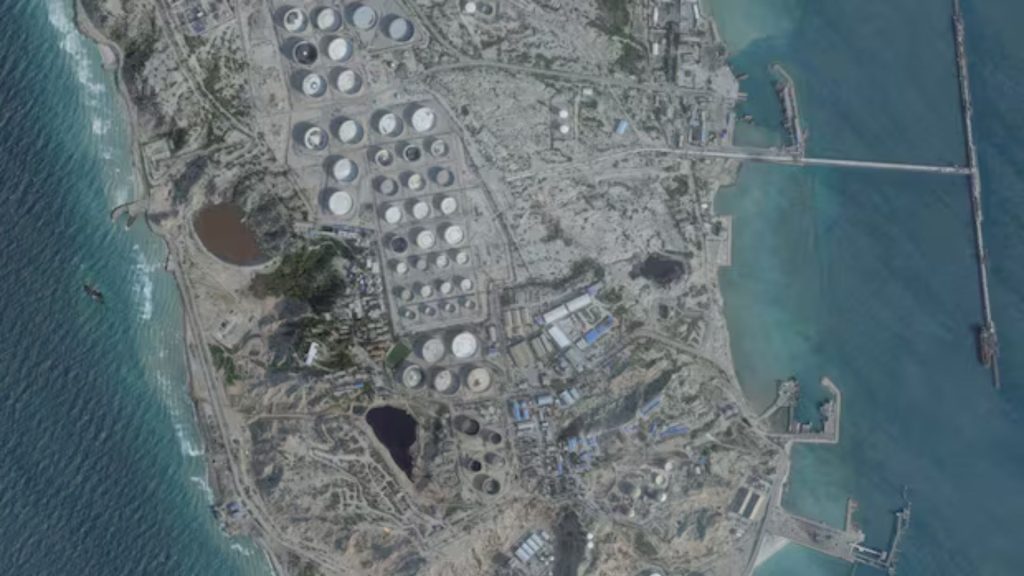

Summary
On March 13, 2026, the United States conducted a massive precision bombing campaign against more than 90 Iranian military installations on Kharg Island as part of Operation Epic Fury, targeting naval mine storage facilities and missile bunkers while intentionally preserving oil infrastructure that handles approximately 90% of Iran's crude exports. CENTCOM Commander Admiral Brad Cooper reported that US forces had completed over 6,000 combat sorties and destroyed more than 100 Iranian naval vessels throughout the operation, with B-2 stealth bombers playing a central role in the Kharg Island strikes and full air superiority established over Iran. Two days later on March 15, Iran launched a coordinated retaliatory campaign of drone and missile strikes across Iraq, Saudi Arabia, and the UAE, damaging five KC-135 Stratotanker refuelling aircraft at Prince Sultan Air Base and causing casualties at UAE facilities in Abu Dhabi and Fujairah despite interception efforts. The conflict generated severe disruptions to global energy markets, with Brent crude oil prices peaking near $126 per barrel before stabilizing around $100, prompting the International Energy Agency to coordinate the release of 400 million barrels from emergency reserves among its 32 member nations. US military casualties climbed to 13 fatalities as a result of ongoing operations, marking the first confirmed combat deaths suffered by the US Air Force during the conflict.
Key Takeaways
- 1. The United States demonstrated overwhelming conventional military superiority by achieving full air dominance over Iran and securing the strategically critical Strait of Hormuz, neutralizing Tehran's primary threat to disrupt global shipping lanes
- 2. The deliberate decision to spare Kharg Island's oil infrastructure reveals a calculated US escalation strategy, using the threat of future energy infrastructure strikes as leverage to deter further Iranian interference with maritime traffic
- 3. Iran's multi-front retaliatory strikes against Saudi Arabia, Iraq, and the UAE signal Tehran's intent to broaden the conflict geographically and draw regional US partners into the crosshairs, potentially destabilizing coalition cohesion
- 4. The damage sustained by KC-135 Stratotankers at Prince Sultan Air Base highlights the vulnerability of critical aerial refuelling assets to missile and drone attacks, with significant implications for US power projection and sustained air campaign logistics
- 5. The rapid spike in global oil prices to near $126 per barrel and the emergency IEA reserve release underscore how military operations against Iran carry severe and immediate economic consequences far beyond the immediate theatre of conflict