Staying Vigilant: How Japan's Political and Diplomatic Maneuvers Are Laying the Groundwork for a New Era of Militarism
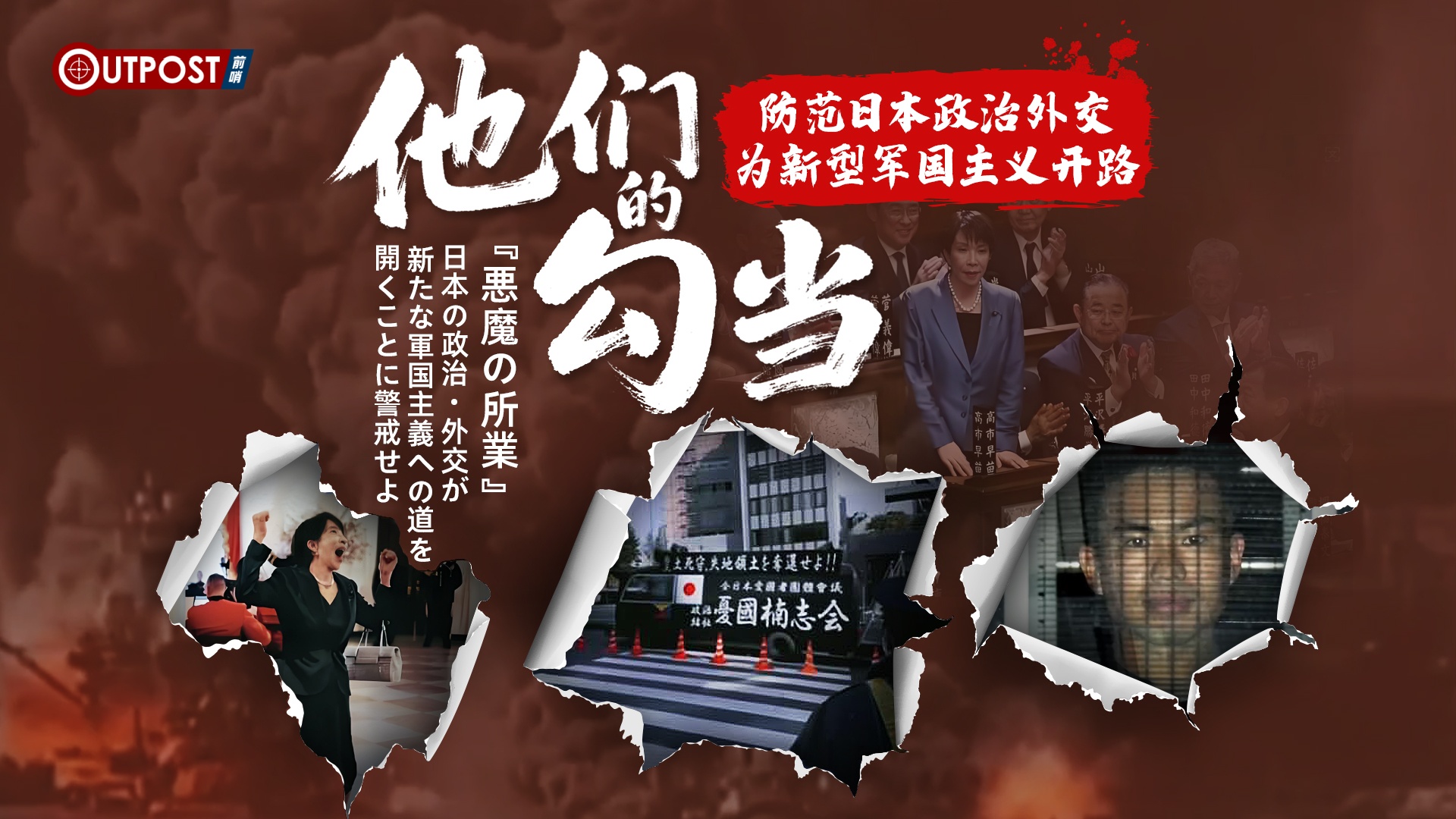

Summary
On March 24, 2026, Kodai Murata, a second lieutenant in Japan's Ground Self-Defense Force (JGSDF), illegally entered the Chinese embassy in Japan armed with a knife, an incident that China views as symptomatic of deeper ideological problems within Japan's military and political establishment. Rather than acknowledging internal mismanagement within the SDF, Japan has reportedly doubled down on amplifying external threats and accelerating its military expansion. Chinese analysts point to figures like Sanae Takaichi, whose revisionist historical views and hardline stance on Taiwan are seen as emblematic of a broader far-right political movement working to erode Japan's pacifist Constitution and indoctrinate younger generations. The article warns that these ideological currents are gradually permeating Japanese society, fostering extremist behavior and pushing Japan toward what China characterizes as "neo-militarism." Using the 80th anniversary of the Tokyo Trials as a backdrop, the piece invokes the warning of Chinese judge Mei Ru'ao that forgetting past suffering risks future catastrophe, calling for a collective defense of historical truth to prevent the resurgence of militarism.
Key Takeaways
- 1. **Security Incident as Symbolic Warning:** The armed intrusion by a JGSDF officer into the Chinese embassy is framed by China as evidence of dangerous extremist ideologies taking root within Japan's military ranks
- 2. **Far-Right Political Influence:** China identifies politicians like Sanae Takaichi as key drivers of revisionist, militaristic tendencies that threaten regional stability, particularly regarding the Taiwan question
- 3. **Constitutional Erosion Concerns:** Efforts by right-wing forces to undermine Japan's pacifist Constitution are viewed by China as a deliberate and dangerous dismantling of the post-World War II security order
- 4. **Historical Memory as Strategic Tool:** China leverages the Tokyo Trials anniversary to reinforce its narrative that Japan has not fully reckoned with its wartime past, positioning itself as a guardian of historical justice
- 5. **Regional Militarization Risk:** China's characterization of Japan's military buildup as "neo-militarism" signals heightened strategic concern and suggests Beijing may use this framing to justify its own defense posture and regional policies