China Successfully Deploys Three Satellites Using Lijian-2 Y1 Launch Vehicle
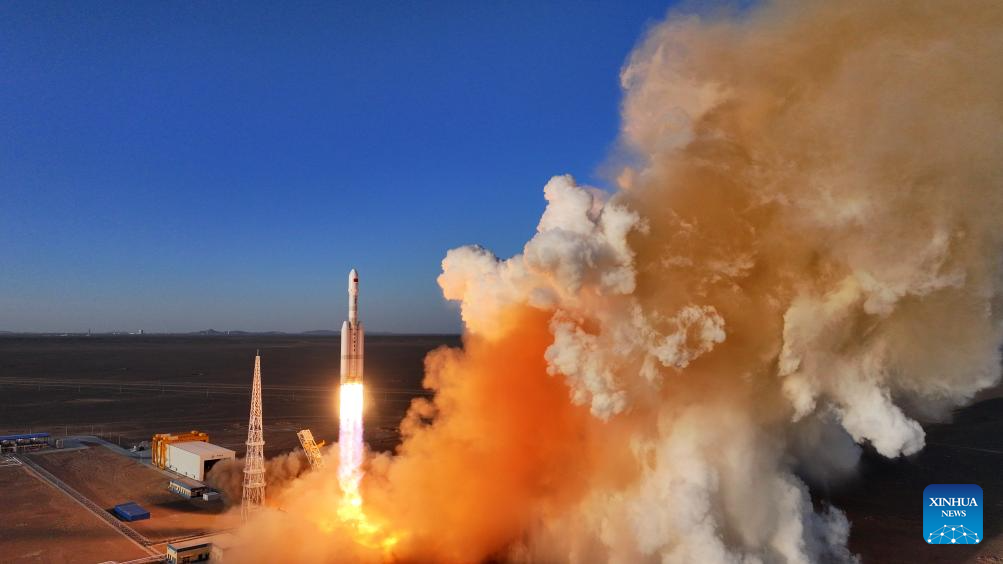

Summary
On March 30, 2026, China conducted a successful launch of the Lijian-2 Y1 carrier rocket, carrying three satellites as its payload. The rocket lifted off at 7:00 p.m. Beijing Time from the Dongfeng commercial space innovation pilot zone, located in northwest China. All three satellites were successfully delivered into their planned orbital trajectories, marking another milestone in China's expanding space launch capabilities. The launch took place at a dedicated commercial aerospace innovation zone, highlighting China's continued investment in developing and operationalizing commercial space infrastructure. This mission underscores China's growing capacity to conduct reliable multi-satellite deployment operations using domestically developed launch vehicles.
Key Takeaways
- 1. **Commercial Space Advancement:** The use of a dedicated commercial aerospace innovation pilot zone signals China's deliberate strategy to develop a robust commercial space sector alongside its state-run programs
- 2. **Dual-Use Potential:** The deployment of three satellites could serve both civilian and military intelligence, surveillance, and reconnaissance (ISR) purposes, expanding China's orbital asset base
- 3. **Launch Infrastructure Development:** The Dongfeng commercial space zone in northwest China represents growing decentralized launch capability, reducing reliance on traditional state launch facilities
- 4. **Strategic Space Competition:** Continued successful satellite deployments strengthen China's position in the global space race, particularly in building constellation networks that could support military communications and navigation
- 5. **Technological Maturation:** The successful maiden flight designation ("Y1") of the Lijian-2 rocket demonstrates China's advancing indigenous rocket development program and expanding launch vehicle portfolio