Beijing Condemns Taiwan's Lai Ching-te for Glorifying Japanese Imperial Colonialism

Summary
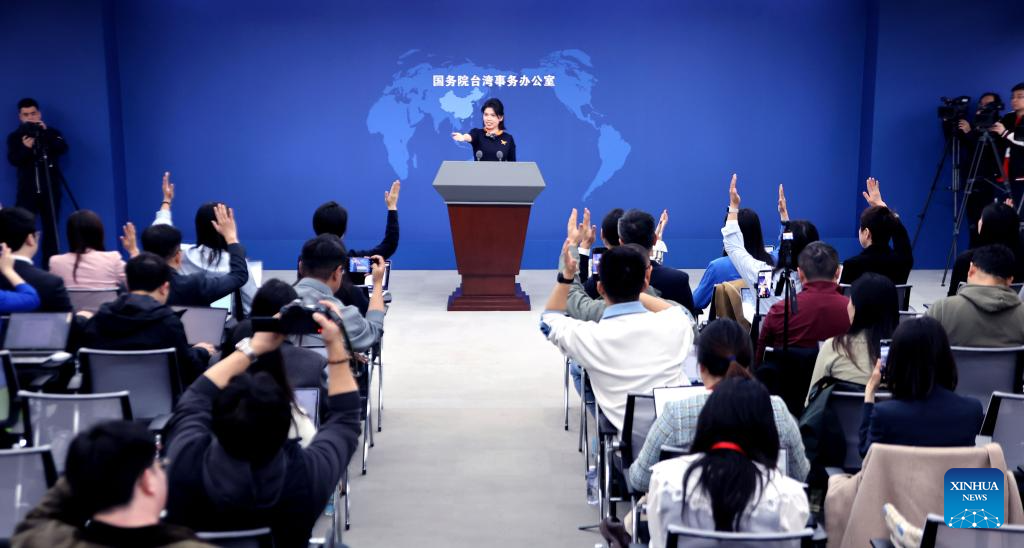
Chinese mainland authorities publicly denounced Taiwan leader Lai Ching-te on Wednesday for comments perceived as endorsing Japan's wartime imperial ideology, specifically his promotion of the "Greater East Asia Co-Prosperity Sphere" concept, which Beijing characterizes as a propaganda tool used by militarist Japan to justify its colonial aggression across Asia during World War II. State Council Taiwan Affairs Office spokesperson Zhu Fenglian declared Lai's remarks constituted "a betrayal of the nation," arguing they distort historical facts and dishonor those who sacrificed their lives during China's War of Resistance Against Japanese Aggression. Beijing further alleged that Lai's historical revisionism serves a deeper political purpose, framing it as evidence of his pursuit of formal Taiwan independence rather than representing genuine historical scholarship or political discourse. Zhu emphasized that Japan's colonial rule represented "the darkest chapter" in Taiwan's history, citing brutal suppression of local populations and systematic resource plundering as documented colonial atrocities. The spokesperson concluded by calling on people across both sides of the Taiwan Strait to unite in opposing Taiwan independence movements and what Beijing characterizes as illegitimate foreign interference in the Taiwan question.
Key Takeaways
- 1. **Historical Revisionism as a Political Weapon:** Beijing is strategically framing Lai's historical commentary as deliberate pro-independence political maneuvering, using it to delegitimize his leadership
- 2. **Cross-Strait Tensions Escalating:** The condemnation reflects deepening ideological and political tensions between Beijing and Taipei's current administration under Lai Ching-te
- 3. **Japan-Taiwan Relations Under Scrutiny:** Lai's perceived alignment with Japanese imperial narratives signals growing strategic concerns for Beijing regarding potential Japan-Taiwan security cooperation
- 4. **Nationalist Sentiment Mobilization:** Beijing is actively leveraging wartime historical memory and anti-Japanese sentiment to build domestic and cross-strait opposition against Lai's government
- 5. **External Interference Warning:** Beijing's explicit warning against foreign interference signals continued opposition to any international actors, particularly Japan and the United States, increasing support for Taiwan's defense and political autonomy