Chinese Lawmaker Calls for Shift from Selling Individual Military Aircraft to Exporting Complete Integrated Defense Systems

Summary
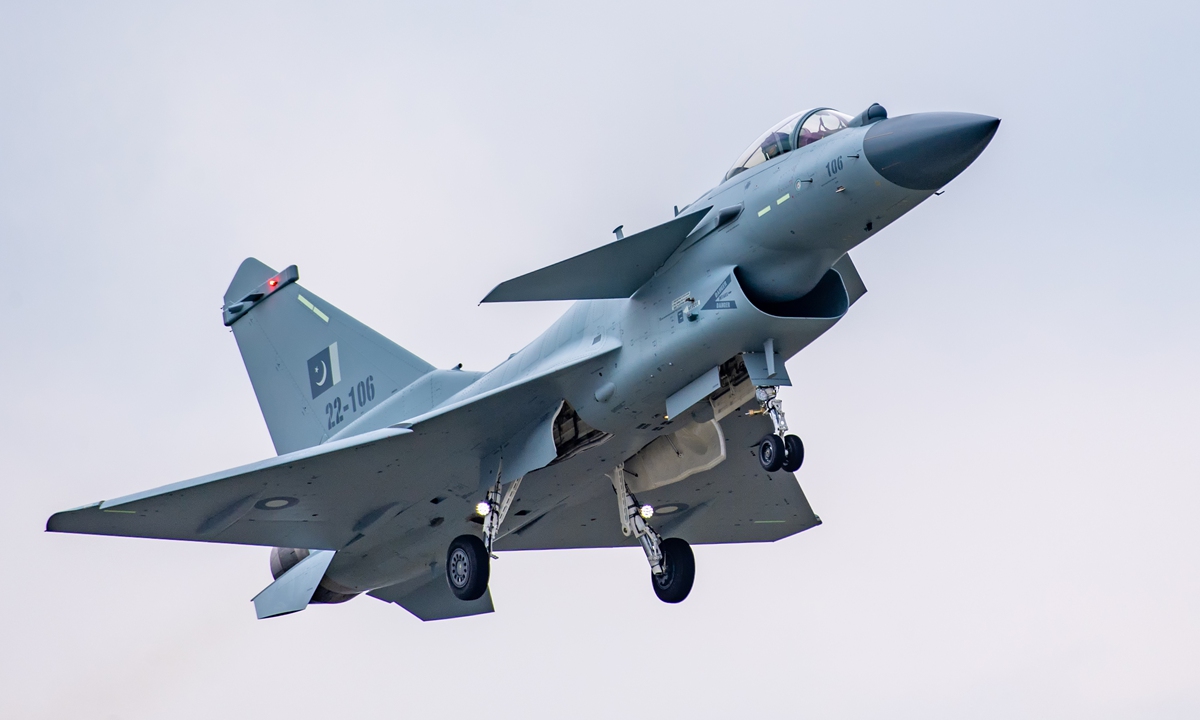
China's export-oriented J-10CE fighter jet gained significant international attention in 2025 following its first confirmed combat success in an overseas engagement, generating substantial global interest in Chinese military aviation exports. Ji Ruidong, a National People's Congress deputy and senior official at Shenyang Aircraft Corporation, argues that China must capitalize on this momentum by transitioning its aviation arms trade model from simply exporting individual military products to delivering comprehensive, integrated defense systems. Ji acknowledges that while China's aviation equipment has reached world-leading performance standards, the country still faces limitations in strategic planning, market development, and systemic support infrastructure for arms exports. The J-10CE's combat success was attributed not solely to the aircraft itself, but to its supporting ecosystem of advanced missiles, early-warning systems, and communications networks, reinforcing the argument for system-level export solutions. Ji advocates for coordinated reforms involving the Chinese state, military, and defense enterprises to optimize industrial chain coordination and build a more globally competitive framework for aviation arms trade.
Key Takeaways
- 1. China's J-10CE fighter jet achieved its first real overseas combat success in 2025, dramatically boosting international demand and credibility for Chinese military aviation exports
- 2. Beijing is strategically pursuing a shift from single-platform arms sales to exporting fully integrated defense ecosystems, mirroring advanced Western arms trade models
- 3. The combat effectiveness demonstrated by the J-10CE was significantly enhanced by its supporting systems, highlighting the strategic value of system-of-systems military architecture
- 4. China recognizes existing gaps in top-level strategic design and market development that must be addressed to compete effectively in the global arms trade market
- 5. Expanding aviation arms exports is viewed by Chinese leadership as simultaneously advancing national security interests, strengthening the domestic aviation industry, and projecting greater geopolitical influence globally