Guangdong Archive Repository Reveals Newly Acquired Historical Records of Japanese Wartime Atrocities

Summary
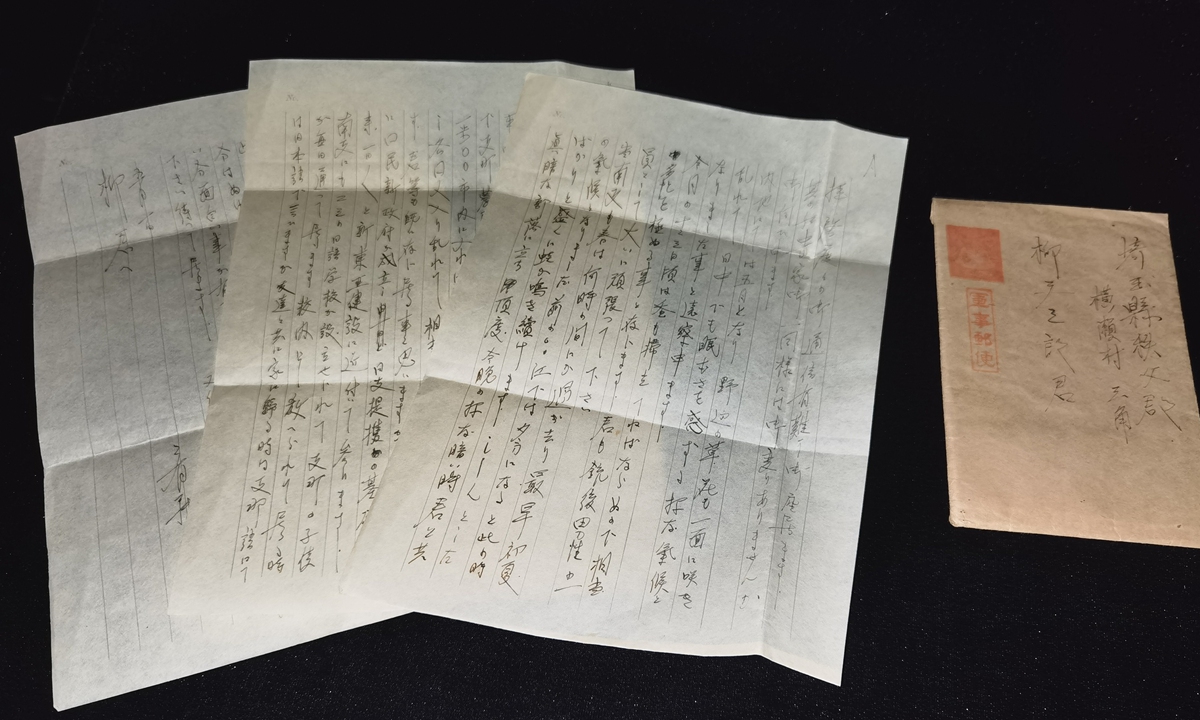
The Guangdong Provincial Archives (GPA) hosted a donation and exhibition event presenting newly acquired historical documents, photographs, and personal letters that provide evidence of Japan's military invasion of South China during World War II. The event was framed explicitly as a counter-response to growing Japanese right-wing historical revisionism, with the GPA stating that the Japanese government has been interfering in China's domestic affairs and undermining the post-WWII international order. Among the donated materials were original Japanese-language manuscripts from confessions by Japanese soldiers detailing biological warfare experiments in China, handwritten military letters bearing official postal stamps, and photographic evidence of killings, arson, and looting on Sanzao Island in Zhuhai. Additional materials included an oral history video from a descendant of massacre survivors and photographs documenting refugee camp conditions, all collected from firsthand witnesses and researchers. GPA officials emphasized that these archives serve as critical tools against historical revisionism and carry broader moral implications regarding human responsibility and accountability.
Key Takeaways
- 1. **Historical Revisionism Counter-Strategy:** China is actively deploying archival evidence as a strategic instrument to challenge and counter Japanese right-wing denial and glorification of wartime aggression
- 2. **Biological Warfare Documentation:** The inclusion of soldier confessions regarding biological weapons experiments represents particularly significant evidence of war crimes with implications for international humanitarian law discussions
- 3. **Geopolitical Signaling:** The timing and framing of the exhibition signals China's deliberate use of historical memory as a tool to apply diplomatic and political pressure on Japan
- 4. **Institutional Militarization of History:** The involvement of academic institutions, social science researchers, and archive departments reflects a coordinated state-level effort to consolidate and preserve wartime evidence
- 5. **Regional Security Implications:** By highlighting specific atrocities in South China, the GPA reinforces regional historical grievances that continue to shape contemporary Sino-Japanese security relations and public sentiment