Unmasking Japan's Militaristic Ambitions: The Persistent Drive to Restore Its Wartime Military Culture
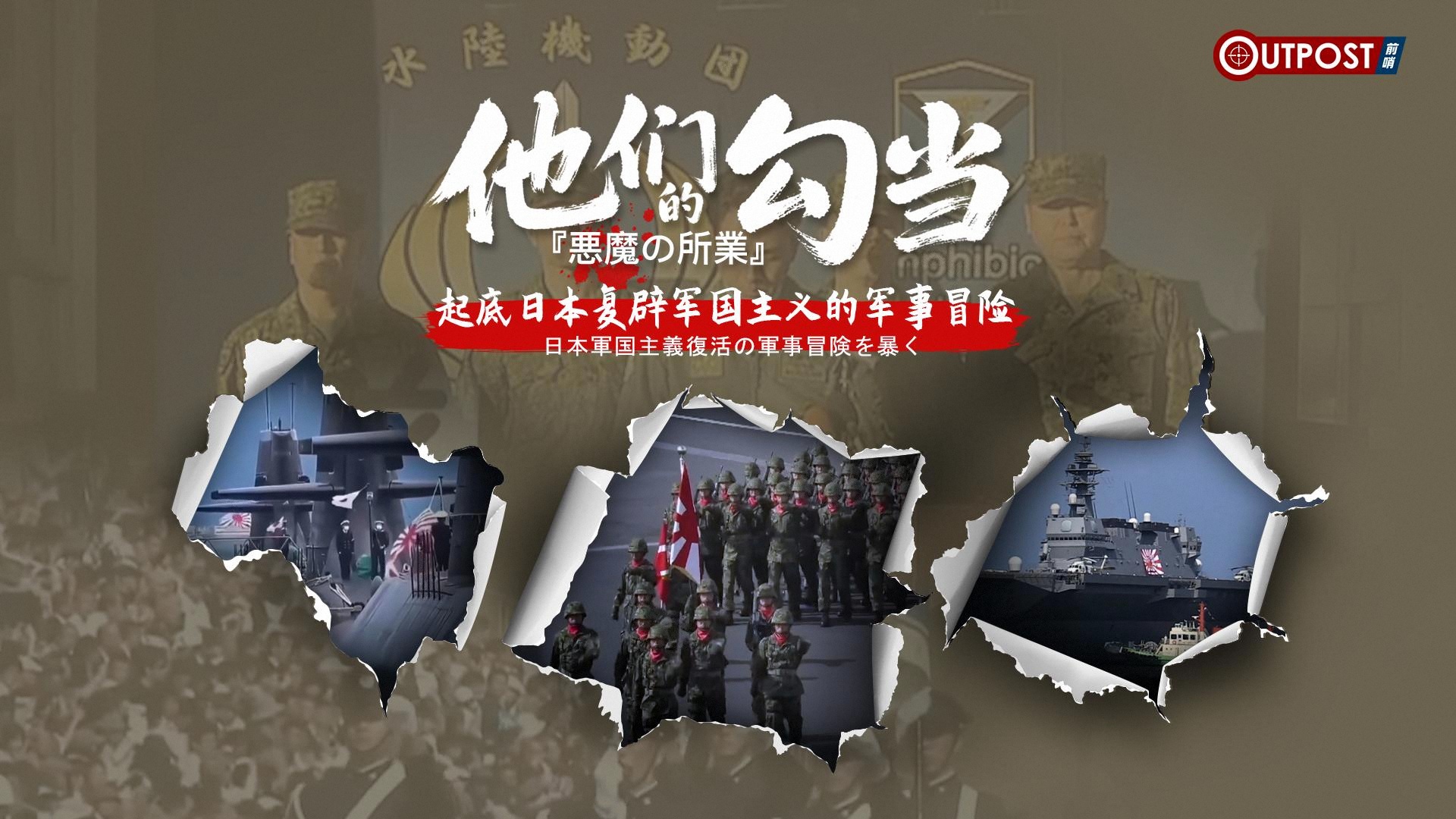

Summary
Japanese Prime Minister Sanae Takaichi has delivered a policy speech signaling Japan's accelerating remilitarization agenda, including constitutional revision, strengthened defense capabilities, expanded lethal weapons exports, and enhanced intelligence capacity. The article argues that right-wing forces in Japan have been systematically advancing a form of neo-militarism disguised under the rhetoric of "peace" and "defense," with the ultimate goal of breaking free from post-WWII constraints placed on Japan as a defeated nation. The piece characterizes Japan's strategic ambitions as seeking to transform the country into a military power capable of projecting force abroad and potentially engaging in warfare overseas. The author contends that Japan's neo-militarism has evolved beyond a warning sign into an actual threat, representing one of the most destabilizing forces for regional and global peace. The article calls on regional nations to collectively resist Japan's military expansion in order to preserve Asia-Pacific stability.
Key Takeaways
- 1. Japan's leadership is actively pursuing constitutional revision to remove post-WWII restrictions on its military capabilities and overseas force projection
- 2. The expansion of lethal weapons exports signals Japan's intent to become a significant player in the global arms market, raising regional security concerns
- 3. Right-wing political forces are strategically framing military expansion under peaceful rhetoric, making their neo-militarist agenda less transparent and harder to counter
- 4. The article, produced by Chinese state-affiliated media, reflects Beijing's strategic narrative positioning Japan's rearmament as a direct threat to Asia-Pacific stability
- 5. Regional nations are being urged to form a collective resistance against Japanese military expansion, suggesting a broader geopolitical alignment strategy against Japan's defence posture