Japan's Growing Offensive Missile Deployments: Strategic Consequences and Regional Security Concerns

Summary
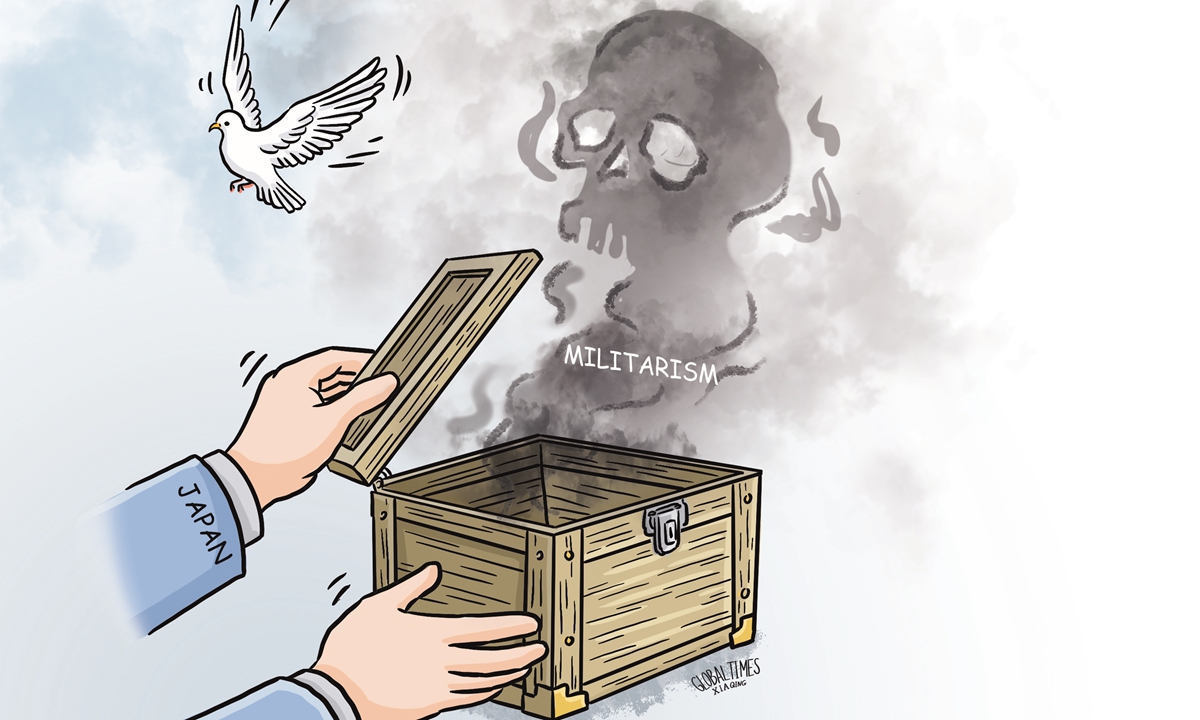
Japan is rapidly deploying multiple offensive missile systems, including upgraded Type-12 land-to-ship missiles in Kumamoto, Hyper Velocity Gliding Projectiles in Shizuoka, and US-supplied Tomahawk cruise missiles aboard its Aegis destroyers, all within a single month. These deployments represent a significant departure from Japan's postwar pacifist constitutional framework, specifically Article 9, which historically prohibited offensive military capabilities and the use of force as a sovereign right. The article argues that Japan's right-wing political forces are systematically dismantling postwar restraints through accelerating remilitarization, revising national security documents, increasing defense spending as a percentage of GDP, and potentially abandoning the three non-nuclear principles. Japan's military buildup in the Southwest Islands near Taiwan is characterized as having deliberate targeting intent toward China, further complicated by former Prime Minister Takaichi's remarks suggesting Japan could invoke collective self-defense rights in a Taiwan contingency scenario. From a Chinese strategic perspective, the article frames Japan's actions as a destabilizing threat to regional peace, questioning Japan's motivations for portraying China as a hypothetical adversary to justify its broader remilitarization agenda.
Key Takeaways
- 1. **Rapid Offensive Capability Expansion:** Japan's simultaneous deployment of three distinct offensive missile systems within one month signals an unprecedented acceleration of its military transformation beyond purely defensive postures
- 2. **Constitutional Erosion:** The deployments represent a systematic undermining of Article 9 of Japan's pacifist constitution, effectively rendering the "exclusively defense-oriented principle" obsolete in practical military policy
- 3. **Taiwan Strait Strategic Dimension:** Japan's military buildup in the Southwest Islands near Taiwan, combined with political statements about collective self-defense rights in a Taiwan contingency, directly raises cross-strait tension and China-Japan strategic competition
- 4. **US-Japan Alliance Deepening:** The acquisition and priority deployment of American Tomahawk cruise missiles on Japanese Aegis destroyers indicates deepening military integration between Japan and the United States, expanding US power projection capabilities in the Indo-Pacific region
- 5. **Regional Security Destabilization Risk:** Japan's shift toward offensive military capabilities and increased defense spending creates significant risk of accelerating an arms race dynamic across Northeast Asia, threatening the existing regional security balance