U.S. Navy Partners with Gecko Robotics to Address Fleet Maintenance Challenges

Summary
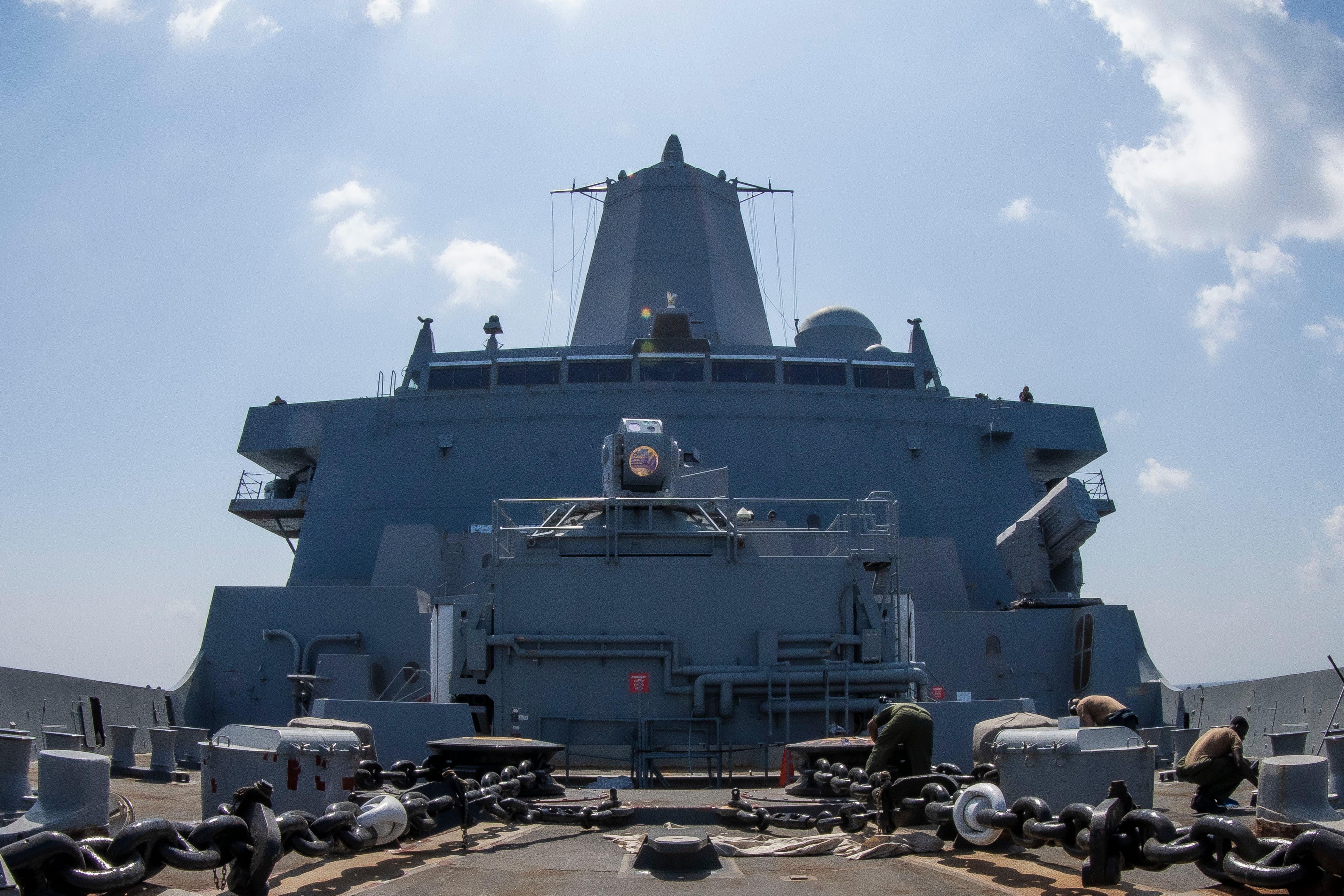
The U.S. Navy has awarded Pittsburgh-based Gecko Robotics a five-year, $54 million contract to deploy advanced robotics and artificial intelligence technology aimed at reducing persistent maintenance delays across its surface fleet. Beginning with 18 ships in the U.S. Pacific Fleet, Gecko will utilize drones, wall-climbing robots, and fixed sensors to collect structural data on hulls, decks, welds, and components, with AI tools then analyzing this information to detect both existing and potential issues invisible to human inspectors. The company claims its technology performs maintenance assessments up to 50 times faster and more accurately than traditional manual methods, with one robotic evaluation of a flight deck alone eliminating over three months of potential maintenance delays. This initiative comes amid serious concerns about naval readiness, as amphibious warfare ships recorded a readiness rate of only 46% between 2011 and 2020, which further declined to 41% in August 2025, creating significant gaps in Marine Expeditionary Unit deployments. The contract supports the Navy's broader goal, championed by successive Chiefs of Naval Operations, of achieving an 80% fleet deployment readiness rate by 2027 through shorter maintenance cycles and improved operational capabilities.
Key Takeaways
- 1. Gecko Robotics secured a $54 million, five-year contract to apply AI and robotic technology to Navy ship maintenance
- 2. The technology is reported to be up to 50 times faster and more accurate than conventional manual maintenance inspections
- 3. Navy amphibious warfare ship readiness dropped to a critical 41% in August 2025, disrupting Marine Corps deployment schedules
- 4. The Navy has set an ambitious target of 80% fleet readiness by 2027, requiring significant improvements in maintenance efficiency
- 5. Robotic evaluations have demonstrated tangible results, with one flight deck assessment eliminating more than three months of potential maintenance delays