Using Kurdish Forces as Leverage Against Iran: Opportunities and Risks of an Indirect Military Strategy

Summary
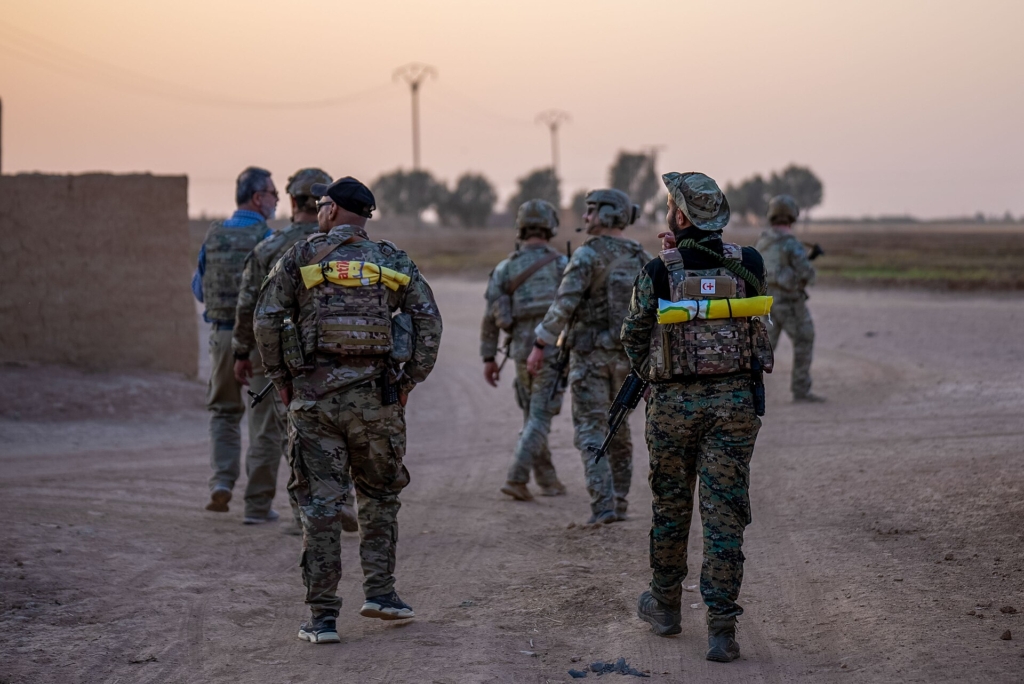
During the ongoing conflict with Iran, the Trump administration and Israel explored a strategy of arming Kurdish fighters based in Iraq to infiltrate Iran and potentially trigger a regime-toppling uprising, drawing on the Kurds' established reputation as effective U.S. battlefield partners, particularly from the campaign against ISIS in Syria. While proxy warfare offers appealing advantages such as reduced U.S. troop commitments, local knowledge, and plausible deniability, a Center for Naval Analyses study found that such arrangements consistently fall short of sponsor expectations, suggesting the administration's eventual decision to abandon these proxy plans was strategically sound. Historical precedents of U.S. proxy relationships — including support for Afghan mujahideen, the Northern Alliance, the Syrian Democratic Forces, and Hmong fighters in Laos — demonstrate that while these partnerships can advance American interests at lower costs, they frequently generate unforeseen and counterproductive long-term consequences, most notably the rise of al-Qaeda from the anti-Soviet Afghan proxy war. A critical challenge in the Kurdish proxy concept is the fundamental misalignment of long-term political goals, as Kurdish militant groups ultimately seek autonomy or independence rather than simply weakening Iran, which could severely complicate U.S. regional relationships, particularly with Turkey, which views Kurdish separatist movements as a direct sovereign threat.
Key Takeaways
- 1. The Trump administration and Israel initially pursued a strategy of arming Kurdish fighters to destabilize Iran from within, but later abandoned the plan
- 2. Proxy warfare, while strategically attractive due to reduced direct military commitment, has a historically uneven record of meeting U.S. objectives
- 3. Shared enemies alone are insufficient for effective proxy partnerships — compatible long-term political goals are equally essential for success
- 4. Supporting Kurdish insurgents risks seriously damaging U.S. relations with Turkey, a NATO ally that views Kurdish separatist movements as an existential threat
- 5. Historical proxy relationships, from Afghanistan to Laos, demonstrate that second and third-order consequences are often difficult to predict and can ultimately undermine broader U.S. strategic interests