Why the Golden Dome Missile Defense Initiative Poses Serious Risks to Global Stability

Summary
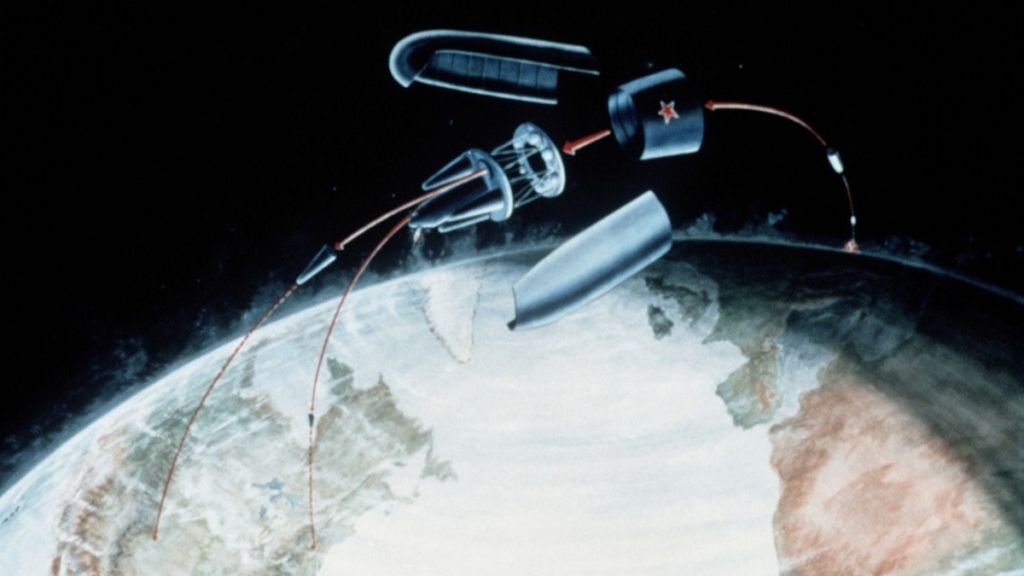
The Golden Dome proposal aims to create a comprehensive, multi-layered missile defense system protecting the United States and its allies from ballistic missiles, cruise missiles, hypersonic weapons, and other threats from peer adversaries including Russia, China, and North Korea. However, the authors argue that an effective defense against long-range ballistic missiles is technologically unachievable in the foreseeable future, and pursuing such a system would cost hundreds of billions to potentially trillions of dollars. Even an ineffective system poses serious dangers, as adversaries will respond to the perceived ambition and future potential of the program rather than its current limitations, prompting them to expand and diversify their nuclear arsenals. Russia has already demonstrated this pattern of behavior by developing advanced weapons systems like the Sarmat missile, Avangard hypersonic glide vehicle, and nuclear-powered delivery systems specifically in response to previous U.S. missile defense deployments and the withdrawal from the Anti-Ballistic Missile Treaty. China is similarly expanding its nuclear capabilities and developing technologies specifically designed to circumvent or destroy missile defense infrastructure, suggesting that the Golden Dome initiative will accelerate rather than deter nuclear proliferation.
Key Takeaways
- 1. An effective defense against intercontinental and submarine-launched ballistic missiles from peer adversaries remains technologically infeasible, making the enormous investment largely wasteful
- 2. Adversaries respond to the perceived future potential of missile defense programs, not just current capabilities, triggering arms race dynamics regardless of actual system effectiveness
- 3. Russia has historically countered U.S. missile defense efforts with sophisticated new weapons systems, and would likely rapidly expand its nuclear warhead deployments under the current expired arms control framework
- 4. China is actively developing hypersonic boost-glide vehicles and fractional orbital bombardment systems specifically designed to defeat or bypass missile defense architectures
- 5. Both Russia and China possess anti-satellite capabilities that could directly target the space-based components of the Golden Dome system, creating dangerous escalation pathways during crises