How Artificial Intelligence Is Reshaping Military Headquarters Staff Structure and Decision-Making

Summary
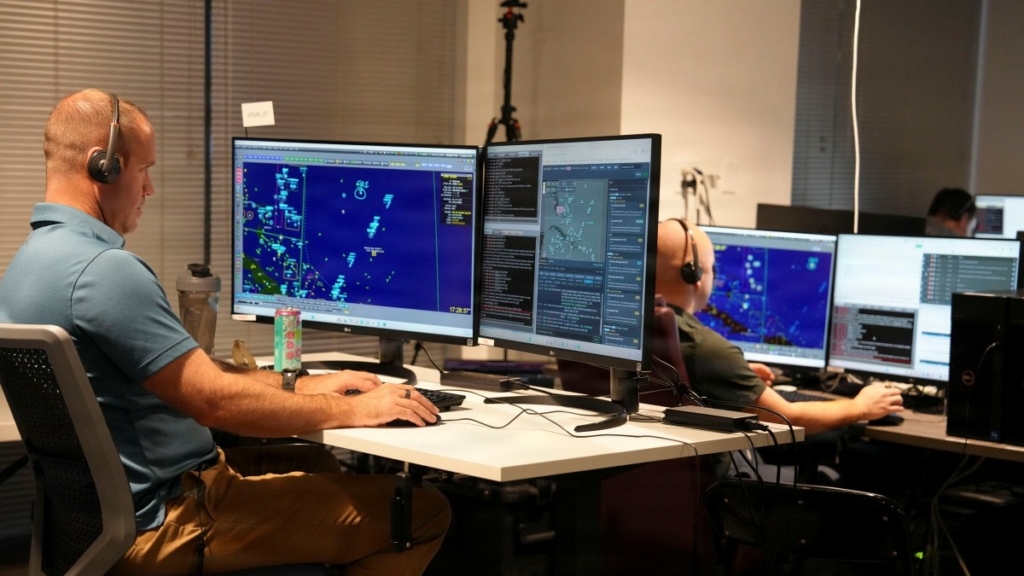
A demonstration at Nellis Air Force Base revealed that an AI system could generate tactically viable military courses of action in under a minute with 97% viability, compared to human planners who required 19 minutes and achieved only 48% viability, though the experiment required significant data preparation beforehand and represented only a short two-week trial. The broader debate about military AI tends to focus on autonomous weapons and targeting decisions, but a equally significant transformation is occurring within military headquarters staff sections, where AI tools like Agent Network and ChatGPT Mil are already being deployed to synthesize intelligence, maintain operational estimates, and support planning and logistics functions. AI presents an opportunity to create smaller, more dispersed, and harder-to-detect headquarters staffs by automating routine information-processing tasks, particularly in areas like intelligence synthesis and running estimates, which currently consume enormous staff resources. However, reducing staff size carries serious risks, as human redundancy within headquarters provides critical resilience against combat stressors such as severed communications, loss of key personnel, and rapidly evolving adversarial threats. The authors argue that the Pentagon should designate a specific headquarters as a testbed for AI-enabled staff redesign, using the technology to shrink information-production functions while preserving the human coordination and accountability structures that commanders depend upon.
Key Takeaways
- 1. AI demonstrated the ability to produce military courses of action nearly 40 times faster than human planners and with dramatically higher tactical viability in controlled testing at Nellis Air Force Base
- 2. The most impactful near-term military application of AI lies not in autonomous weapons but in transforming internal headquarters staff functions such as intelligence synthesis and running estimates
- 3. The Pentagon has already begun deploying AI tools including Agent Network and ChatGPT Mil to support operational planning and document-heavy military workflows
- 4. While AI enables smaller, more agile headquarters with reduced physical and electromagnetic signatures, excessive staff reduction risks creating dangerous single points of failure during combat operations
- 5. A recommended next step is for the Pentagon to establish a designated headquarters as a formal testbed for reimagining AI-enabled staff design and organizational structure