U.S. Army Rebrands Military Cooks Under New Combat-Focused Job Designation

Summary
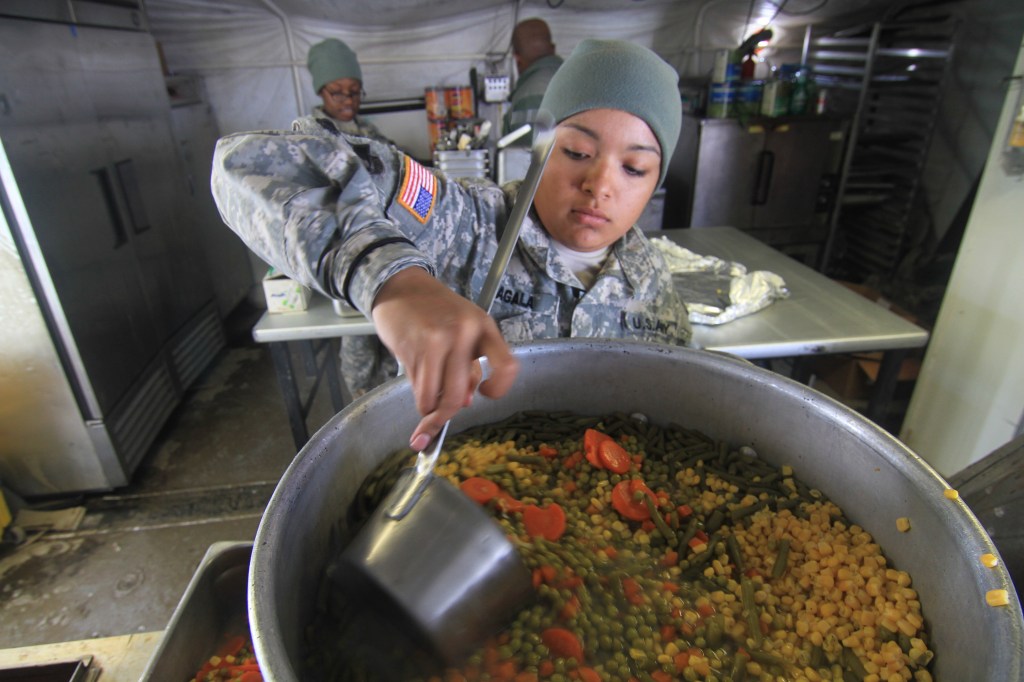
The U.S. Army has officially renamed soldiers holding the 92G military occupational specialty (MOS) from "culinary specialists" to "tactical field feeding specialists," reflecting a broader shift in military priorities toward large-scale combat operations. The change was formally announced during a ceremony held in late October at Fort Lee, Virginia, and was first reported by Stars and Stripes. Army leadership emphasized that the renaming is not merely cosmetic but reflects the evolving nature of warfare, requiring these soldiers to understand battlefield logistics and food sustainment in contested environments. The position of Army cooks has evolved significantly over decades, having been formally established in the 1960s as the 94B Food Service Specialist before being redesignated as 92G Culinary Specialist in 1995. Military officials stressed that properly feeding soldiers is a critical combat function, with well-nourished warfighters being more lethal, agile, and capable of sustaining prolonged close combat operations.
Key Takeaways
- 1. The Army's 92G MOS has been officially renamed from "culinary specialist" to "tactical field feeding specialist" to better reflect the role's operational importance
- 2. The title change is driven by the Army's strategic shift toward preparing for large-scale combat operations rather than administrative convenience
- 3. Army cooks are responsible for food production, nutrition, food safety, ingredient inventory management, and operating field feeding equipment such as Mobile Kitchen Trailers
- 4. Military leadership views proper battlefield feeding as a direct combat multiplier, arguing that well-fed soldiers are more effective and lethal in prolonged engagements
- 5. This marks the third major title change for Army cooks, following designations in the 1960s and again in 1995