US Air Force Plans to Reactivate Pacific WWII-Era Airfields for Modern Military Operations

Summary
The U.S. Air Force is planning to conduct over 6,000 aircraft operations annually across four airfields on three islands in the Commonwealth of the Northern Mariana Islands, including historically significant World War II-era sites currently undergoing refurbishment. This initiative supports the Air Force's Agile Combat Employment (ACE) concept, which focuses on dispersing forces across multiple airfields to prevent adversaries — particularly China — from neutralizing operations by targeting a single base. The four airfields, located within close proximity to each other and within 100 nautical miles of major military installations on Guam, offer a diverse training environment ranging from commercial airports to expeditionary locations suited for practicing distributed operations. The Department of the Air Force has issued a notice of intent to prepare an environmental impact statement evaluating the social, economic, and environmental impacts of proposed training activities, with public meetings scheduled and a final assessment expected by mid-2028. However, the initiative faces challenges including funding concerns exacerbated by demands from the war with Iran, as well as mixed reactions from island residents who question whether increased military activity will genuinely benefit local communities and whether the Pentagon will maintain transparency.
Key Takeaways
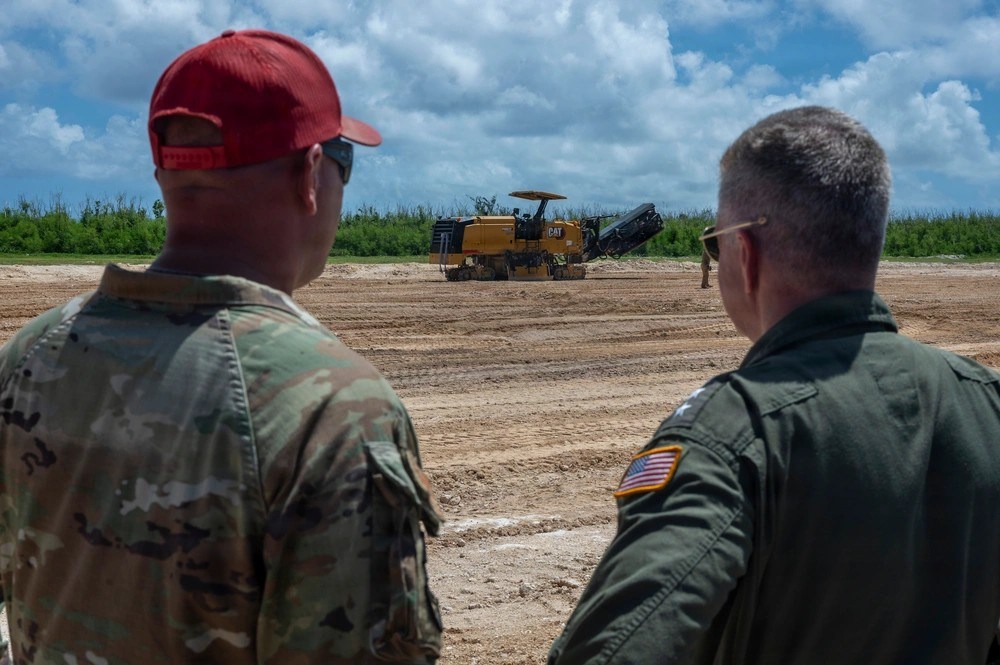
- 1. The Air Force plans 6,000+ annual aircraft operations at four Pacific airfields, including rehabilitated WWII-era Tinian North Field, which had been inactive and overgrown since the war
- 2. The initiative directly supports the Agile Combat Employment (ACE) strategy, designed to counter China's growing military capabilities by distributing forces across multiple locations
- 3. The geographic proximity of the three islands to each other and to Guam makes them strategically ideal for training in complex, distributed military operations
- 4. Funding and resourcing challenges have emerged, partly due to competing military demands stemming from the ongoing conflict with Iran
- 5. Local residents hold mixed views, with some welcoming economic investment while others doubt tangible community benefits and question Pentagon transparency