Top U.S. Military Officer Dismissed After Allegations of Leaking Classified Data

Summary
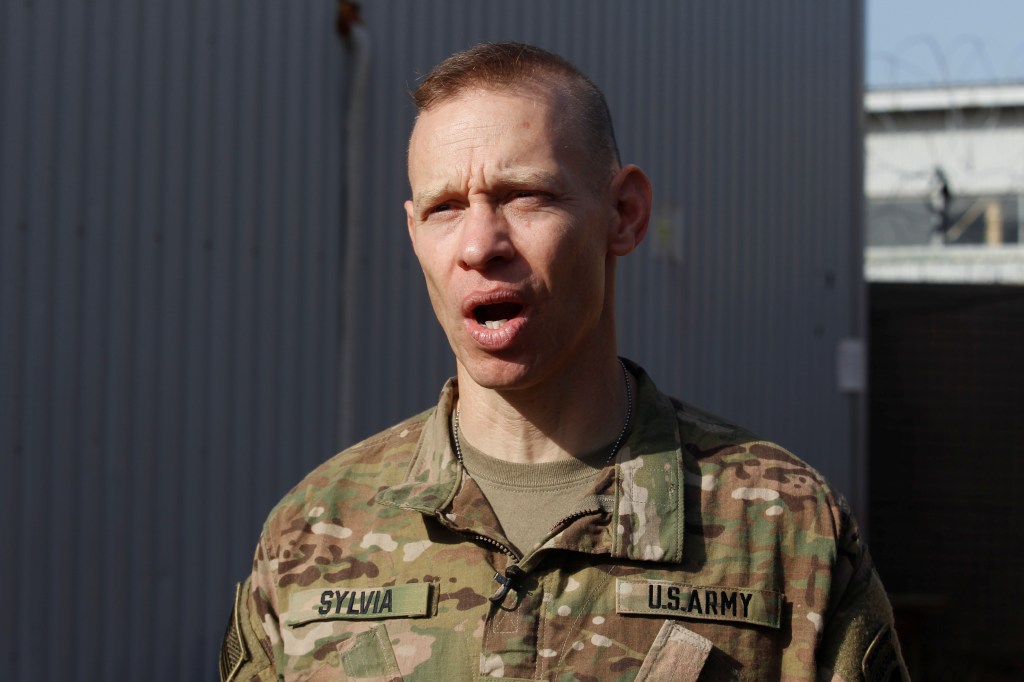
Defense Secretary Pete Hegseth terminated U.S. Army Lt. Gen. Brett Sylvia, a senior Pentagon Joint Staff planner, following accusations that he leaked classified information to the media, representing one of the most significant personnel actions in Hegseth's ongoing crackdown on government leaks. Sylvia, who headed the Joint Staff's Directorate for Strategy, Plans, and Policy (J5) and previously commanded the 101st Airborne Division, was accused of failing three polygraph examinations related to the leak investigations. The firing comes amid an active and unpopular Iran war in its ninth month, during which the Pentagon has been particularly sensitive about leaks concerning military planning and weapons expenditures, including a recently revealed internal estimate of over $29 billion needed to restock munitions used against Iran. Hegseth's broader anti-leak campaign includes a dedicated Pentagon task force, widespread polygraph testing of senior officials, and a controversial media credentialing policy that drew legal concerns from press organizations. The case has been referred to the Justice Department for potential legal action, with Pentagon spokesperson Sean Parnell warning that additional unnamed officials may also face consequences.
Key Takeaways
- 1. Lt. Gen. Brett Sylvia was fired from his senior Pentagon role after allegedly failing three polygraph tests related to classified information leaks
- 2. The dismissal is part of Defense Secretary Hegseth's aggressive and wide-ranging crackdown on leakers within the military establishment
- 3. The firing occurs against the backdrop of an ongoing Iran war, with over $47 billion spent on operations and sensitive military planning details being disclosed publicly
- 4. The Justice Department has been brought in for potential criminal prosecution of Sylvia and possibly other unnamed officials
- 5. President Trump publicly commented on the case, notably and incorrectly referring to the male general using female pronouns, highlighting the high-profile political attention surrounding the matter