U.S. Army Trains for Temporary Battlefield Burials in Preparation for Large-Scale Combat Scenarios

Summary
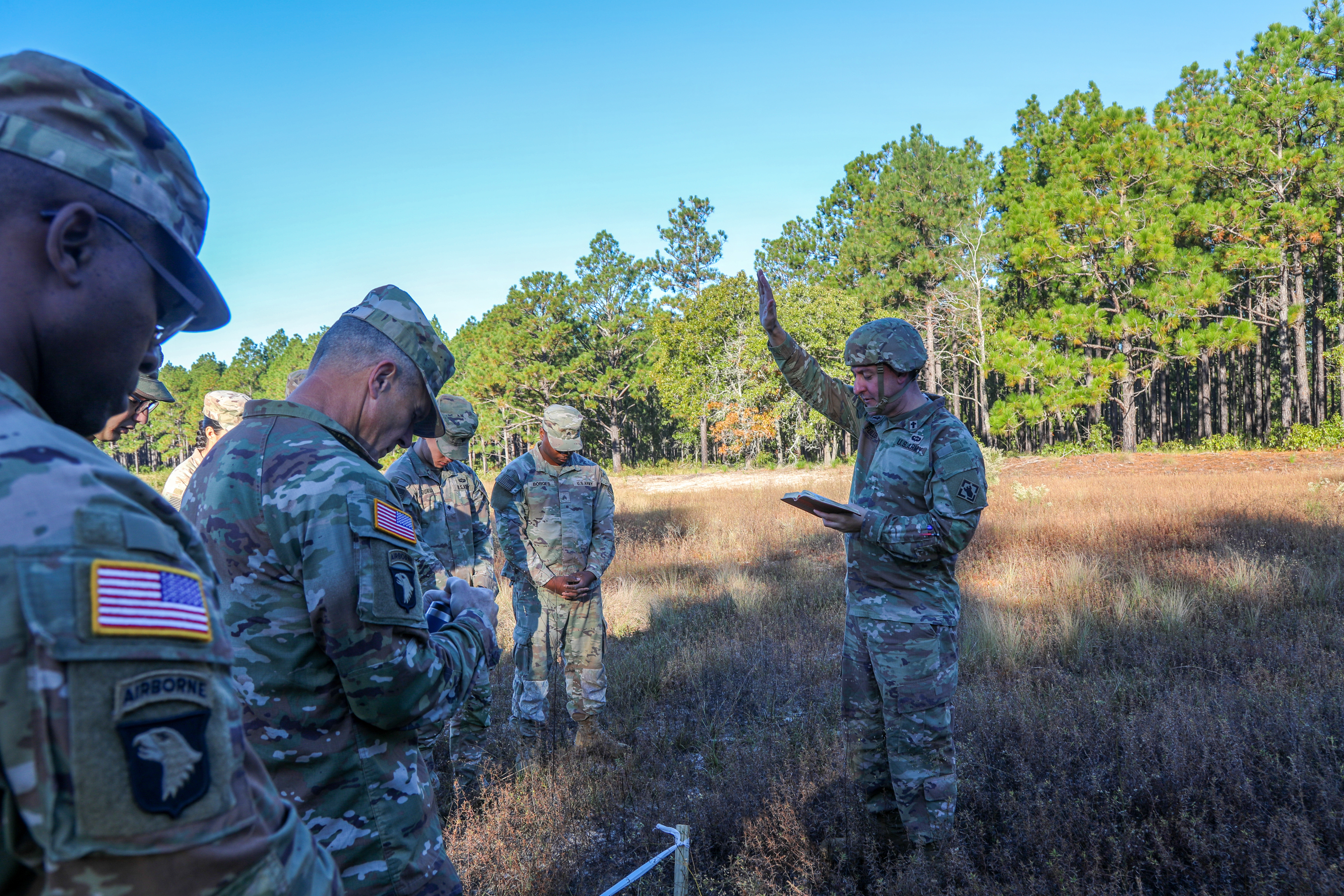
The U.S. Army conducted an exercise in North Carolina called Operation Dragon Covenant Phase II, testing its ability to rapidly dig and manage temporary battlefield graves in preparation for potential large-scale combat operations where quick evacuation of remains may not be feasible. This type of mass temporary burial practice has not been employed on a significant scale since the Korean War, as air superiority during conflicts in Iraq and Afghanistan allowed for swift repatriation of fallen soldiers' remains. During the exercise, engineers using D6 bulldozers demonstrated they could excavate a trench accommodating 20 remains in approximately one hour and 15 minutes, a significant improvement over previous methods, allowing a full engineer company to theoretically process up to 2,400 bodies within a 24-hour period. The exercise also identified outdated doctrine, specifically trench spacing guidelines that proved too narrow for modern equipment, which will now be updated to reflect current operational realities. Additionally, chaplains and religious specialists developed protocols for consecrating burial sites before interment, ensuring dignity and reverence for fallen soldiers even when individualized religious ceremonies are impossible in active combat environments.
Key Takeaways
- 1. The Army is reviving temporary battlefield burial capabilities not used at scale since the Korean War, anticipating future conflicts may limit rapid remains evacuation
- 2. D6 bulldozers proved significantly more efficient than standard backhoes, enabling an engineer company to inter up to 2,400 remains every 24 hours
- 3. The exercise revealed outdated Army doctrine regarding trench spacing, prompting necessary updates to reflect modern equipment requirements
- 4. Geneva Convention obligations require dignified treatment and identification recording for all fallen individuals, including enemy combatants
- 5. Chaplains developed a site-consecration approach to honor soldiers of all faiths when individualized religious services are impossible during high-intensity operations