Surveillance as a Tool of Control: How Law Enforcement Deploys Facial Recognition and Digital Intelligence to Monitor and Counter Civil Protesters

Summary
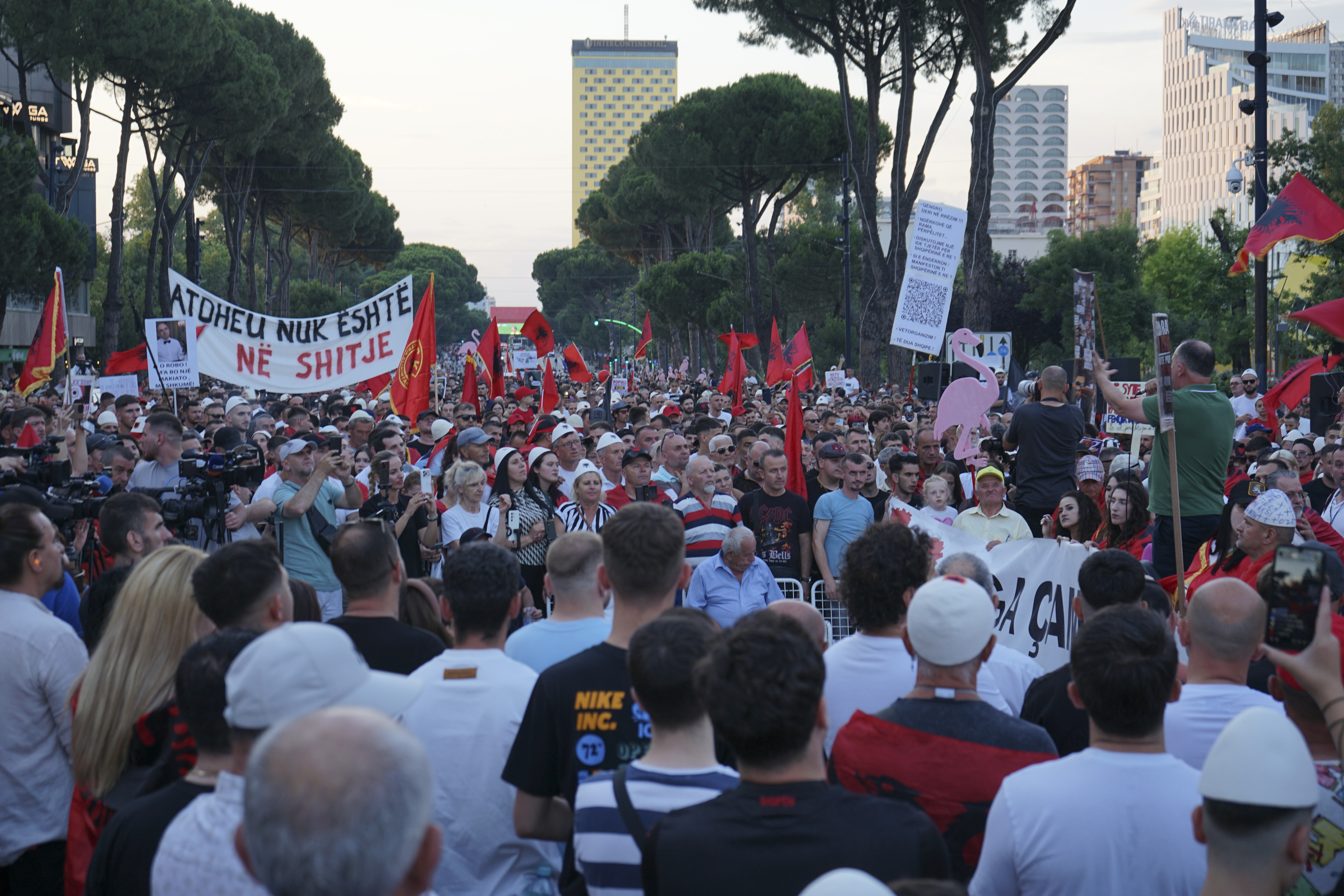
During the summer and autumn of 2026, Indian police deployed sophisticated surveillance technology against youth protesters in central New Delhi, centered around the Cockroach Janta Party's sit-in protests against examination paper leaks near Parliament. The Delhi Police operated a dedicated surveillance vehicle called "Ikshana," equipped with eight facial recognition cameras on a telescopic mast providing 360-degree coverage, running real-time identification against criminal databases. When protests resumed in October 2026, the response escalated dramatically to over 35,000 security personnel supported by multiple facial recognition systems, drone overwatch, rooftop spotters, and body-mounted cameras across Central Delhi. The article highlights a critical global phenomenon where internal security surveillance technologies have become commercially available commodities, appearing at protest sites from Paris and Tbilisi to Nairobi and Minneapolis, meaning the distinguishing factors between democratic and authoritarian deployments now rest on legal frameworks and supply chain origins rather than technological access. India's experience also illustrates the dangerous pattern of "function creep," where a facial recognition system originally acquired to locate missing children was later repurposed to identify over 1,100 individuals following Delhi riots in 2020 and to screen political protesters.
Key Takeaways
- 1. **Militarization of Domestic Surveillance:** Advanced military-grade sensor and recognition technologies originally designed for battlefield or security applications have migrated into routine domestic law enforcement, blurring the line between military intelligence gathering and civilian policing
- 2. **Surveillance Technology Commodification:** Facial recognition, drone overwatch, data fusion platforms, and social media monitoring tools have become off-the-shelf procurement items accessible to virtually any state with an adequate budget, fundamentally democratizing authoritarian surveillance capabilities
- 3. **Function Creep as a Systemic Risk:** Security technologies consistently migrate beyond their originally stated purposes, with India's missing children identification system evolving into a political protest monitoring tool, representing a significant governance and civil liberties challenge with direct implications for how defence procurement is justified
- 4. **Supply Chain and Legal Framework Vulnerabilities:** The article identifies that the critical variables distinguishing responsible from abusive surveillance deployments are the legal architecture governing use and the nationality/origin of the underlying software and hardware, raising significant defence supply chain sovereignty concerns for India
- 5. **Domestic Proving Ground Dynamics:** Just as military forces use firing ranges to test sensors, law enforcement agencies are effectively using protest environments as operational testing grounds for emerging surveillance technologies, creating ethical and strategic implications for how India develops and validates its internal security capabilities