How India's Growing Nuclear Capabilities Are Undermining Pakistan's Strategic Deterrent

Summary
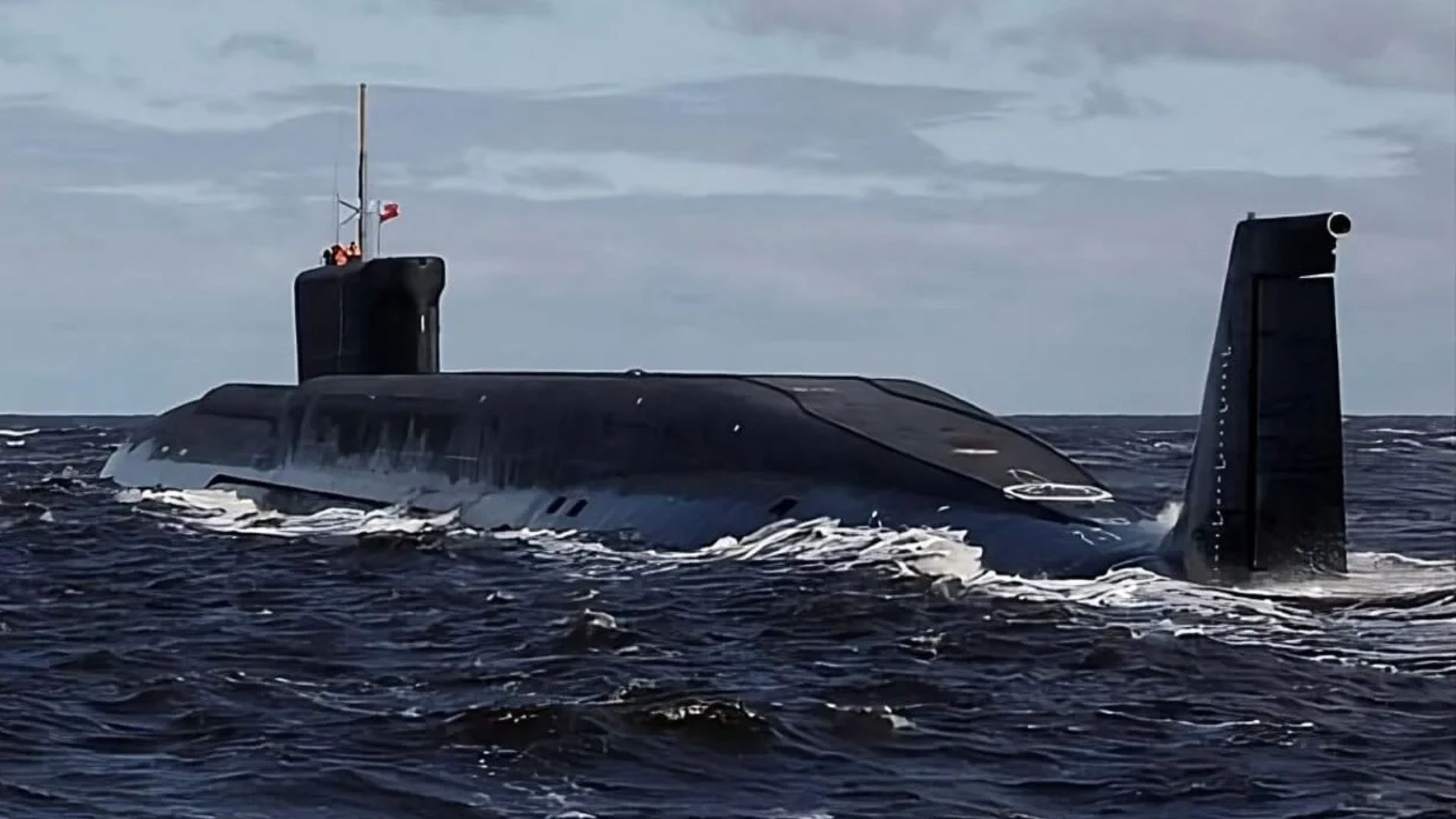
Retired Lieutenant General Khalid Kidwai, a senior adviser to Pakistan's National Command Authority, has raised serious concerns that India's nuclear arsenal has advanced to a point where it could execute a first strike against Pakistan with virtually no warning. Kidwai specifically highlighted India's expanding fleet of nuclear-powered ballistic missile submarines, particularly the Arihant-class SSBNs, as evidence that India's real military posture contradicts its officially stated No-First-Use nuclear policy. His argument centers on the idea that sea-based nuclear weapons provide India with unprecedented flexibility, range, and speed of deployment that effectively renders Pakistan's current retaliatory capabilities insufficient. The article further notes that Pakistan's security establishment has historically been skeptical of India's stated intentions, dating back to the 1960s when Pakistani officials suspected India of covertly pursuing nuclear weapons under the guise of civilian programs. This pattern of distrust suggests that Kidwai's public warnings may be a precursor to Pakistan taking concrete responsive measures to rebalance the strategic equation.
Key Takeaways
- 1. India's growing SSBN fleet, led by the Arihant-class submarines, is fundamentally shifting the nuclear balance in South Asia by providing a survivable and flexible second-strike — or potentially first-strike — capability
- 2. Pakistan's national security establishment views India's No-First-Use declaration with deep skepticism, treating actual military capability development as a more reliable indicator of intent than official policy statements
- 3. Sea-based nuclear deterrence gives India significant strategic advantages, including greater geographic reach and reduced vulnerability to Pakistani preemptive targeting
- 4. Pakistan's historical precedent of responding to Indian nuclear advancements suggests that new countermeasures or capability expansions may be forthcoming in response to these developments
- 5. The evolving nuclear dynamics between India and Pakistan heighten regional instability, as asymmetries in delivery systems and deployment flexibility could lower the threshold for miscalculation during crises