HAL Plans to Increase Annual AL-31FP Engine Manufacturing Capacity to 50 Units

Summary
India's Ministry of Defence announced that Hindustan Aeronautics Limited (HAL) will expand its annual AL-31FP turbofan engine production from 30 to 50 units, backed by an investment of ₹335 crore, as part of a broader effort to strengthen domestic aerospace manufacturing capabilities. This announcement was made during Defence Minister Rajnath Singh's visit to HAL's Koraput Division in Odisha, which marked the milestone delivery of the facility's 2,000th aero-engine since its establishment in 1964. Under a ₹26,000 crore contract placed in September 2024 for 240 engines, HAL has already exceeded its delivery targets, completing 63 engines by the end of the program's second year, and aims to increase the AL-31FP's indigenous content to 63% by the contract's conclusion. Alongside the AL-31FP expansion, a second Shakti engine production line was also announced with ₹218 crore in investment, targeting up to 100 engines annually by 2028-29 to meet growing demand from indigenous military helicopter programs including the Dhruv and Prachand platforms. Together, these initiatives reflect India's strategic ambition to build a self-reliant propulsion ecosystem encompassing MSMEs, startups, academia, and research institutions, with long-term implications for programs like the Advanced Medium Combat Aircraft (AMCA).
Key Takeaways
- 1. **Expanded Su-30MKI Engine Production:** HAL's increase in AL-31FP output to 50 engines annually directly strengthens sustainment and operational readiness of the IAF's Su-30MKI fleet, reducing dependence on Russian supply chains.
- 2. **Indigenization Progress:** The target of achieving 63% indigenous content in the AL-31FP by contract's end signals meaningful progress toward reducing foreign dependency in critical propulsion systems, a vital strategic resilience measure.
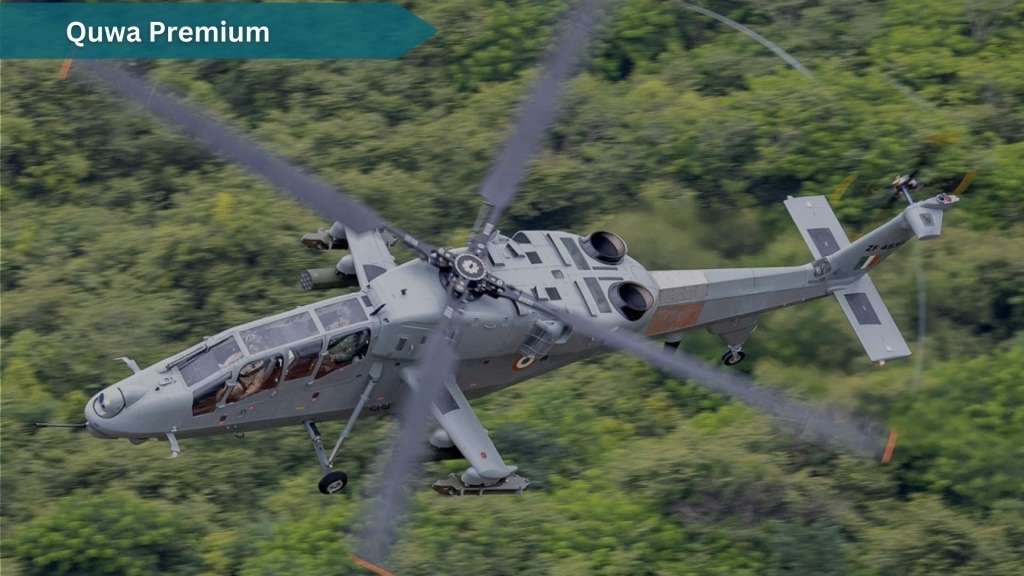
- 3. **Helicopter Fleet Sustainment Reinforced:** The second Shakti engine production line, capable of producing 100 engines per year, will ensure reliable domestic supply for India's expanding indigenous military helicopter programs, reducing procurement vulnerabilities.
- 4. **AMCA Strategic Implications:** Defence Minister Singh's explicit linkage of aero-engine self-reliance to the AMCA program signals that domestic propulsion capability is considered a foundational requirement for India's next-generation stealth fighter development.
- 5. **Ecosystem-Based Defence Industrial Approach:** The government's emphasis on integrating MSMEs, startups, academia, and research institutions into the propulsion supply chain reflects a long-term strategy to build a sustainable and diversified indigenous defence industrial base.