Can the Badr Agreement Address the Shortcomings Left by the Makkah Defence Pact?

Summary
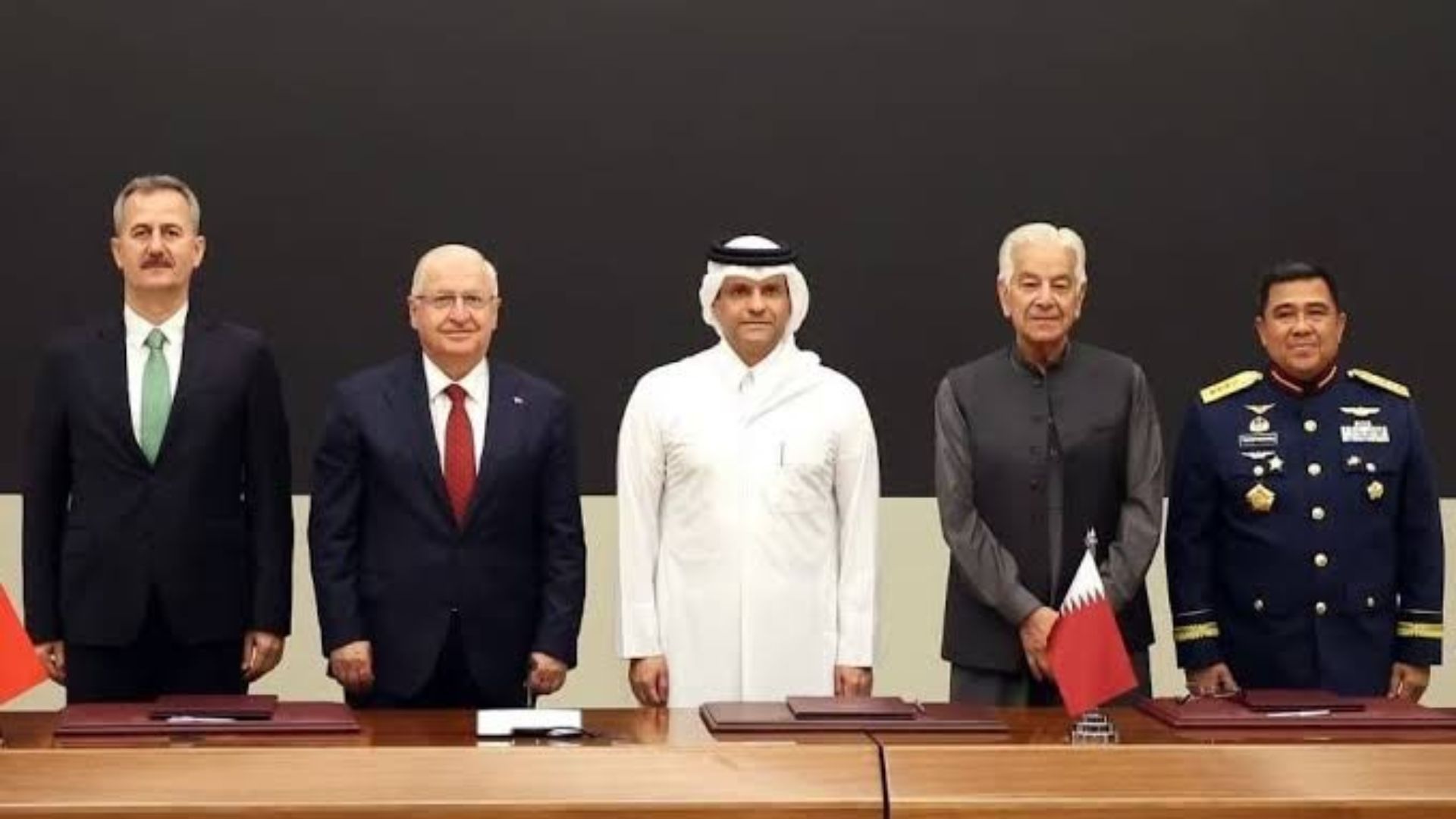
On October 21, 2026, Qatar, Türkiye, Pakistan, and Indonesia formalized the Badr Memorandum of Understanding, a defence cooperation agreement focused on joint manufacturing, capability enhancement, technical training, and research and development collaboration. While distinct from the Makkah Joint Defence Agreement (MJDA) previously signed by Pakistan, Türkiye, and Saudi Arabia, the Badr MoU notably prioritizes mutual capacity-building — an area defence analysts at Quwa had earlier identified as the most achievable and pragmatic starting point for regional defence cooperation. The MJDA, by contrast, reportedly mandates actual force deployment commitments, which proved problematic given Pakistan's and Türkiye's fiscal constraints, technological limitations, and logistical shortfalls that made such obligations difficult to fulfill unconditionally. Pakistan's national security establishment in particular stood to benefit significantly from capacity-building mechanisms, as resolving domestic defence industry and funding gaps would strengthen its conventional deterrence posture and potentially provide strategic dividends in South Asia. The article concludes that Qatar demonstrated a more accurate reading of regional realities than Saudi Arabia by championing a foundational, capacity-first approach rather than pressing for immediate force commitment obligations.
Key Takeaways
- 1. The Badr MoU represents a pragmatic alternative to the MJDA by focusing on defence industry integration, R&D, and capacity-building rather than binding military force deployment obligations
- 2. Pakistan's participation is strategically motivated by its need to overcome fiscal and technological constraints before it can meaningfully commit to broader mutual defence arrangements
- 3. Saudi Arabia's expectation of direct force support from Pakistan and Türkiye under the MJDA was unrealistic given the existing capability and resource gaps of both partners
- 4. Qatar's approach of prioritizing foundational capacity-building demonstrates sharper diplomatic and strategic awareness of what regional partners can realistically deliver at this stage
- 5. The Badr Agreement may serve as a critical prerequisite and stepping stone toward a more comprehensive and credible mutual defence framework among these Muslim-majority regional powers in the future