Pakistan Navy's Emerging Doctrine Combines Network-Centric Warfare with Extended-Range Strike Capabilities

Summary
Pakistan Navy (PN) Chief Admiral Naveed Ashraf has outlined a modernization philosophy centered on building specific operational capabilities rather than simply increasing the number of naval platforms, emphasizing quality and integration over quantity. The PN's strategic development is focused on three core pillars: developing long-range precision-strike weapons, achieving deep sensor fusion and cross-platform connectivity through mesh networking, and leveraging uncrewed vehicles across air, surface, and underwater domains to compensate for limited platform numbers. These capabilities are collectively designed to reinforce Pakistan's anti-access and area-denial (A2/AD) posture, specifically aimed at deterring and countering potential Indian military operations against Pakistan's coastline, territorial waters, and sea lanes. The long-range strike dimension is already taking shape through the Harbah NG anti-ship cruise missile and the SMASH anti-ship ballistic missile, with extended-range variants likely in development given the shared platforms with the Army Rocket Force Command's recently tested Fatah-4 ER and Fatah-2 ER missiles.
Key Takeaways
- 1. Pakistan Navy is prioritizing capability-driven modernization over platform accumulation, reflecting a strategic shift toward asymmetric and cost-effective naval power projection
- 2. Mesh networking and sensor fusion represent a core technological investment, aiming to enhance battlefield connectivity and situational awareness across all naval platforms
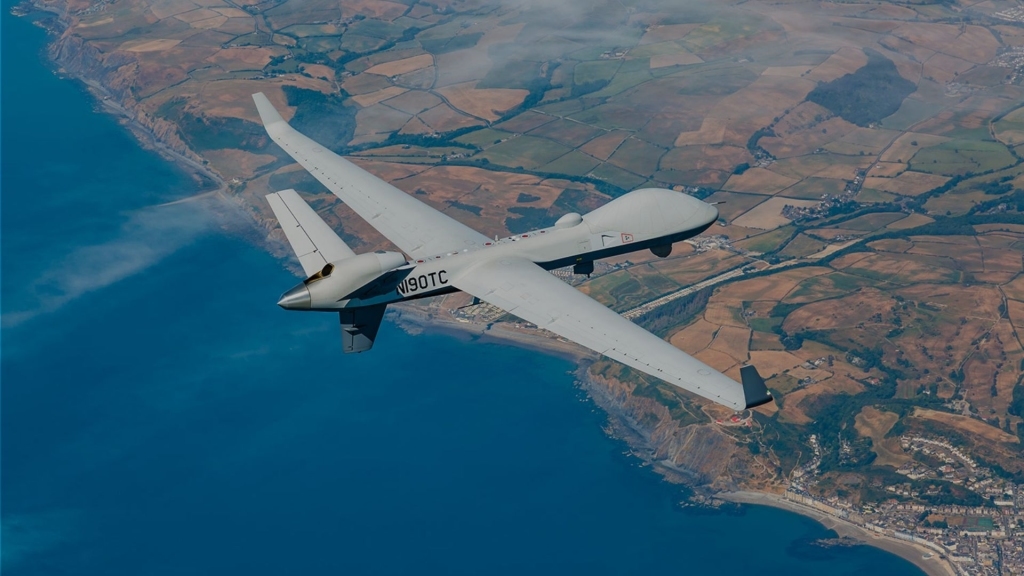
- 3. Uncrewed aerial, surface, and underwater vehicles are being integrated to extend operational reach without requiring significant increases in crewed platform numbers
- 4. The Harbah NG cruise missile and SMASH ballistic missile form the backbone of PN's long-range anti-ship strike arsenal, with extended-range variants likely forthcoming
- 5. The overarching strategic objective remains A2/AD deterrence against India, designed to deny naval access to Pakistani waters and complicate Indian maritime operational planning