China's Lijian-2 Rocket Successfully Deploys New Satellite Constellation into Orbit

Summary
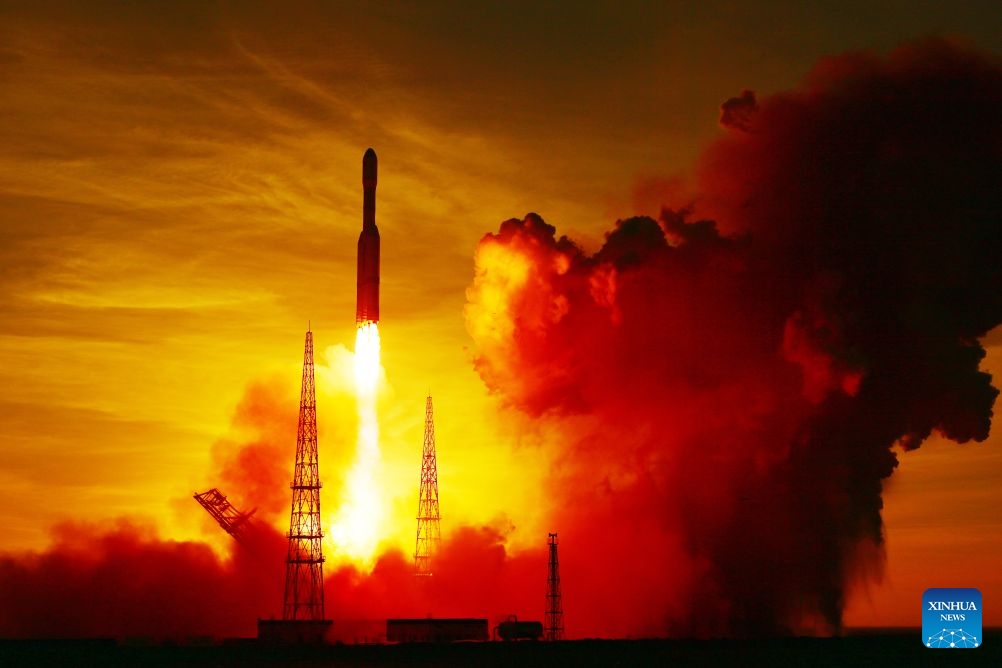
On November 3, 2026, China successfully launched the Lijian-2 Y2 carrier rocket from the Dongfeng commercial space innovation pilot zone in northwest China, lifting off at 8:15 a.m. Beijing Time. The mission delivered 18 satellites belonging to the Spacesail Constellation into planned orbit, marking the first time the Lijian-2 rocket has executed a large-scale satellite internet constellation deployment. The Lijian-2 rocket, independently developed by CAS Space, is a liquid-fueled launch vehicle distinguished as China's first to feature a "universal booster core" configuration, capable of carrying up to 12 tonnes to low Earth orbit. This launch represented the second flight of the Lijian-2 and the 18th overall launch of the Lijian rocket series, which has cumulatively placed 139 satellites and one spacecraft into orbit. The Lijian series has accumulated over 27 tonnes of in-orbit payload mass and has served nearly 40 domestic and international customers.
Key Takeaways
- 1. **Commercial Space Expansion:** China is rapidly accelerating its commercial low-orbit satellite network capabilities, directly challenging Western dominance in satellite internet infrastructure such as SpaceX's Starlink.
- 2. **Strategic Dual-Use Potential:** Low Earth orbit satellite constellations like Spacesail carry significant military intelligence, surveillance, and communications implications, enhancing China's strategic situational awareness capabilities.
- 3. **Indigenous Technological Advancement:** The Lijian-2's "universal booster core" design demonstrates China's growing self-sufficiency in advanced launch vehicle engineering, reducing dependence on foreign aerospace technology.
- 4. **Rapid Deployment Capacity:** The ability to launch 18 satellites in a single mission signals China's increasing capacity for rapid constellation buildout, which could support both civilian and military communications resilience during conflict scenarios.
- 5. **Growing Global Customer Base:** With nearly 40 international customers served, China is expanding its space-based influence globally, potentially deepening strategic partnerships and creating geopolitical leverage through satellite service dependencies.