Chinese Military Experts Explain How Surveillance Aircraft Enhance Carrier Group Awareness in Western Pacific Operations

Summary
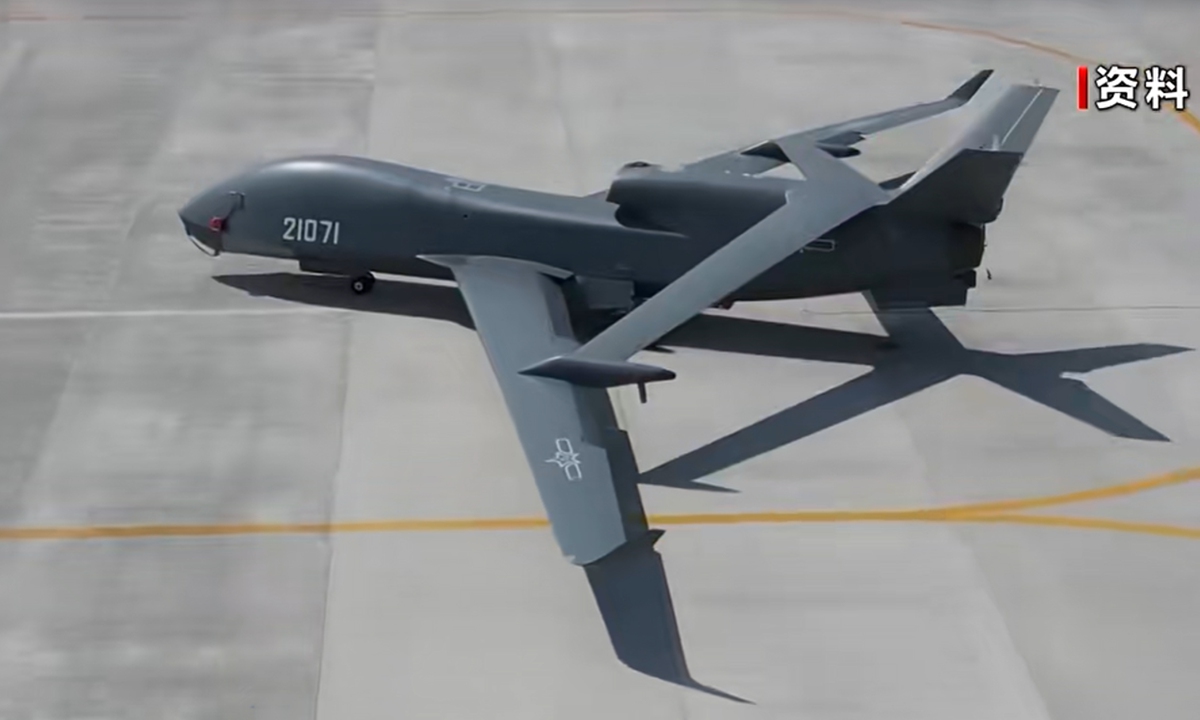
The PLA Navy's Liaoning carrier group has been conducting training exercises in the western Pacific since October 14, with Japan's Defense Ministry reporting multiple sightings of Chinese reconnaissance aircraft, including BZK-005 drones, Y-9 intelligence-gathering aircraft, and TB-001 reconnaissance/strike drones operating through the Miyako Strait and surrounding waters. A Chinese military expert explained that these reconnaissance assets are likely providing critical situational awareness and intelligence support for the carrier group, framing the aerial activities as operationally purposeful rather than provocative. China's Defense Ministry spokesperson Senior Colonel Zhang Xiaogang pushed back against Japanese security concerns, accusing Japan of deliberately hyping up perceived threats from both Chinese and Russian military activities to serve political agendas. Japan reported a nearly 70 percent increase in Air Self-Defense Force scrambles against Chinese and Russian aircraft between April and September, with 285 responses directed at Chinese aircraft alone, a figure Beijing characterized as evidence of Japan's pattern of surveilling and harassing legitimate military operations. The competing narratives highlight deepening strategic tensions in the western Pacific, where Chinese carrier group deployments, joint China-Russia patrols, and ongoing US-Japan joint exercises are creating a complex and increasingly charged military environment.
Key Takeaways
- 1. The Liaoning carrier group's western Pacific deployment is being actively supported by multiple layers of aerial reconnaissance assets, demonstrating China's growing integration of ISR (Intelligence, Surveillance, and Reconnaissance) capabilities with naval carrier operations
- 2. China's deployment of diverse reconnaissance platforms — including the BZK-005 drone, Y-9 aircraft, and TB-001 strike/reconnaissance drone — signals a sophisticated and multi-asset approach to maritime domain awareness around the first and second island chains
- 3. Japan's nearly 70 percent surge in air scrambles reflects escalating military activity in the region and reveals growing strain on Japan's Air Self-Defense Force resources in monitoring both Chinese and Russian operations simultaneously
- 4. Beijing is actively countering Japan's security narratives through official diplomatic channels, framing Japanese responses as politically motivated threat inflation rather than legitimate defense concerns, which risks reducing diplomatic space for de-escalation
- 5. The convergence of the Liaoning deployment, China-Russia joint patrols, and US-Japan joint exercises in the same operational timeframe suggests deliberate strategic signaling by all parties, significantly raising the potential for miscalculation in the western Pacific region