Why the Golden Dome Missile Defense System Is Neither Technically Achievable Nor Economically Viable

Summary
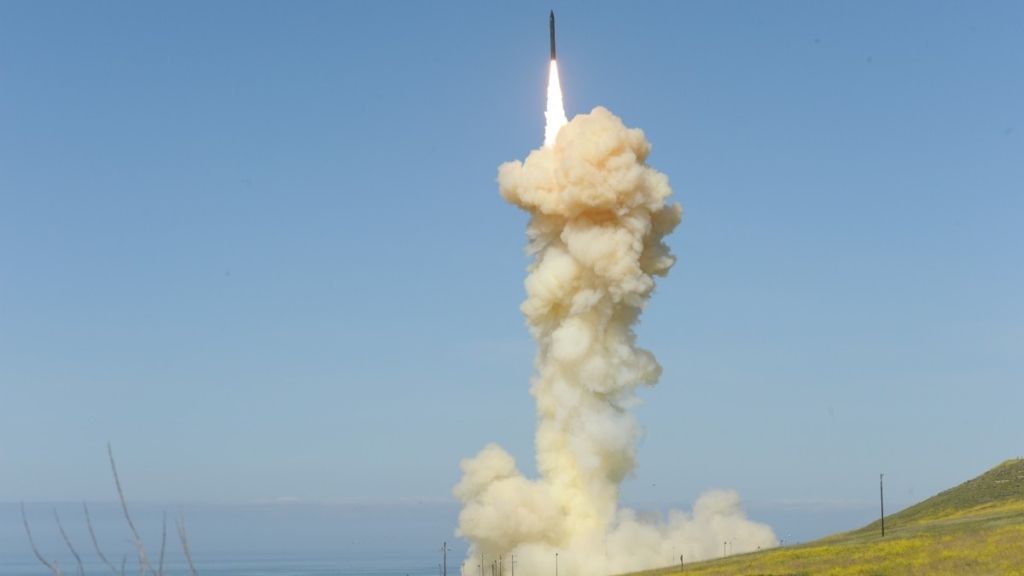
The Trump administration's proposed "Golden Dome" missile defense system aims to create a comprehensive, multi-layered shield protecting the United States and its allies from ballistic missiles, cruise missiles, hypersonic weapons, aircraft, and drones launched by any adversary, including major powers like Russia and China. However, authors Frederick Lamb and Laura Grego argue that such a system is fundamentally infeasible, both technologically and financially, noting that the U.S. has already spent over $500 billion on missile defense over seven decades without ever demonstrating the ability to reliably intercept even a single missile under realistic nuclear attack conditions. The existing ground-based midcourse defense system is not expected to provide robust protection against more than a small number of ballistic missiles for at least the next 15 years, and proposed space-based interceptors would add enormous cost and complexity while destabilizing the strategic environment by provoking adversarial countermeasures. The authors suggest that while defending against smaller, limited attacks — such as those from North Korea or accidental launches — may be more realistic, the Golden Dome's sweeping ambitions far exceed what current or near-future technology can deliver. Rather than continuing to invest in largely ineffective missile defense layers, the authors advocate redirecting resources toward nuclear risk reduction strategies and arms control agreements, which represent the only historically proven methods of reducing the nuclear threat.
Key Takeaways
- 1. The U.S. has spent over $500 billion on missile defense over roughly seven decades without demonstrating reliable interception capability under realistic nuclear attack conditions
- 2. Golden Dome's goal of defending against large-scale attacks by peer adversaries like Russia and China — involving hundreds or thousands of missiles with sophisticated countermeasures — is considered technologically and financially impossible in the foreseeable future
- 3. The current ground-based midcourse defense system is not expected to reliably counter even a small number of ballistic missiles equipped with basic countermeasures for the next 15 years
- 4. Space-based boost-phase interceptors, a key Golden Dome component, are characterized as unnecessarily expensive, ineffective, and strategically destabilizing, with the authors recommending the program be canceled immediately
- 5. Arms control agreements and nuclear risk reduction strategies are presented as the only historically successful approaches to meaningfully reducing the nuclear threat to the United States