Pentagon's Top Tech Official Urges AI Firms to Take Responsibility for Preventing Misuse of Their Systems

Summary
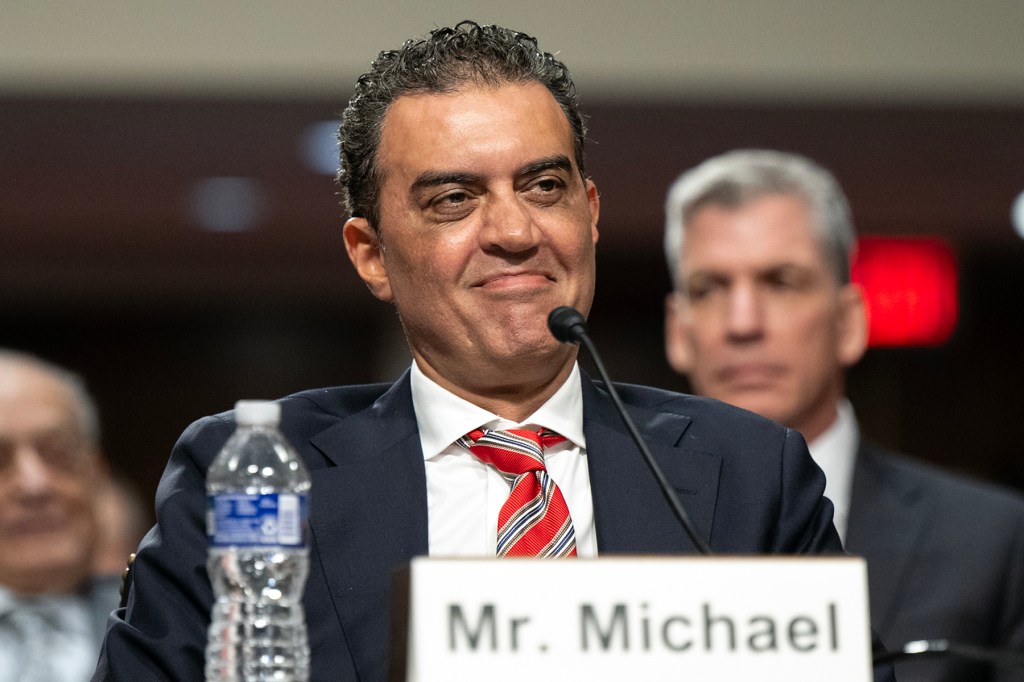
The Department of Defense's chief technology officer, Emil Michael, has called on artificial intelligence companies to exercise caution and responsibility when developing AI models that carry weaponization potential, particularly in the realm of cyber weapons. Following President Trump's executive order on AI innovation, the White House established an "AI cybersecurity clearinghouse," allowing AI companies to voluntarily submit their systems for a 30-day DoD security review to identify potential vulnerabilities before public release. Companies including OpenAI, Google, and Anthropic have reportedly agreed to this review process, which aims to protect critical national infrastructure such as power grids and hospitals from potential cyberattacks. Anthropic has faced particular scrutiny over its new model, Mythos, which has drawn concern due to its advanced hacking and cybersecurity exploitation capabilities, and the company has separately been embroiled in a legal dispute with the Trump administration over restrictions on military use of its technology. The DoD has simultaneously accelerated its own internal AI adoption, growing from 80,000 monthly federal AI users six months ago to 1.5 million today, with Michael projecting that three-quarters of the department will be utilizing AI in some capacity by year's end.
Key Takeaways
- 1. The Pentagon is urging AI companies to act responsibly when releasing models with weaponization or cyberattack potential
- 2. A new White House executive order created an AI cybersecurity clearinghouse enabling voluntary DoD security scanning of AI systems before release
- 3. Anthropic's Mythos model has raised alarms due to its ability to identify and exploit software vulnerabilities
- 4. Anthropic is in a legal battle with the Trump administration after being labeled a supply chain risk for restricting military use of its AI models
- 5. The DoD has rapidly expanded federal AI usage, jumping from 80,000 to 1.5 million monthly users within six months