CIA Alerted European Nations to Suspected Russian Plan to Deploy Drones from Commercial Ships in the Mediterranean Sea

Summary
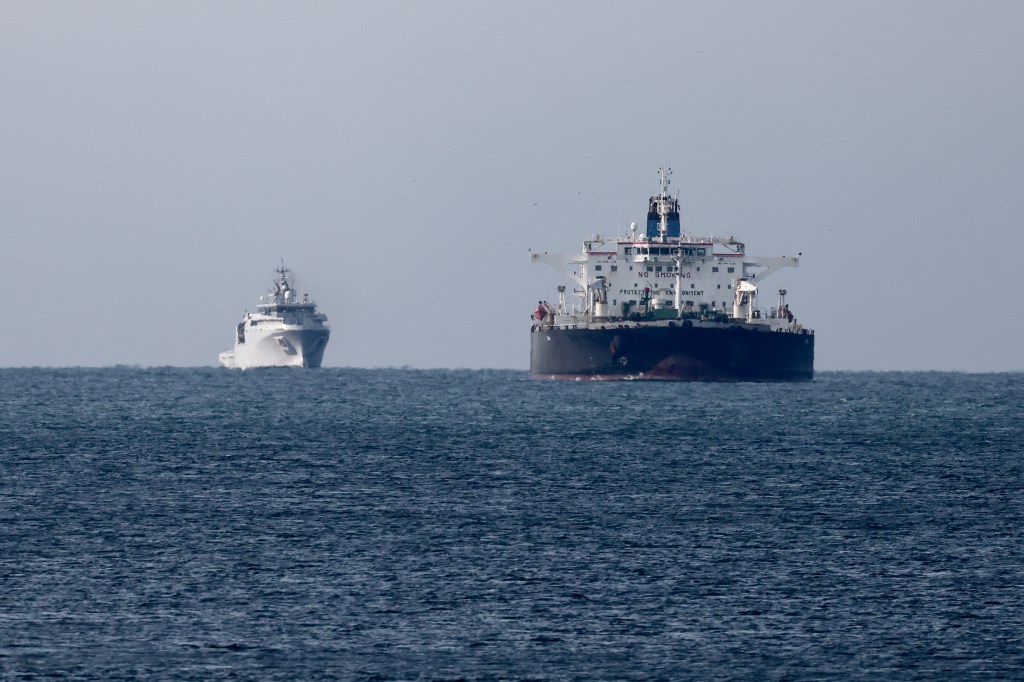
According to a report published by Spanish newspaper El Mundo, the CIA has issued warnings to European nations about a potential Russian scheme to launch Gerbera-type drones from commercial vessels operating in the Mediterranean Sea, with Spain, France, and Italy identified as likely targets. The small drones, which have a wingspan of only 2.5 meters and a maximum range of 600 kilometers, would be concealed in shipping containers and catapult-launched from international waters, capable of reaching coastal targets within one to two hours. The intelligence warning reportedly began circulating among European leadership in mid-September, coinciding with French President Emmanuel Macron's decision to convene his Defense Council and summon political leaders to the Élysée Palace. This development comes amid a broader pattern of escalating Russian hybrid warfare activities across Europe, including airspace violations by Russian drones along NATO's eastern flank, a confirmed drone attack attributed to Russia at Germany's Leipzig airport, and a Swedish Navy detection of a drone launched from a Russian intelligence vessel in the Öresund Strait. In response to the growing drone threat, European nations are intensifying their defensive preparations, with Austria conducting a large-scale military exercise involving 300 soldiers, Mistral missiles, and electronic warfare capabilities to practice counter-drone measures.
Key Takeaways
- 1. The CIA has warned European allies of a suspected Russian plot to launch Gerbera drones from commercial ships in the Mediterranean, targeting NATO members Spain, France, and Italy
- 2. The Gerbera drone's small size and container concealment capability make it particularly difficult to detect, giving it a significant covert strike potential against coastal infrastructure
- 3. Russian hybrid warfare and sabotage activities against European targets have been escalating significantly throughout 2024, with multiple confirmed incidents now officially attributed to Moscow
- 4. A pro-Russian Telegram channel published maps suggesting drone strikes on French military, nuclear, and industrial sites, indicating a broader information and psychological warfare campaign alongside physical threats
- 5. European nations, including non-NATO member Austria, are actively ramping up counter-drone military exercises and air defense readiness in response to the intensifying Russian threat landscape