Laser Weapons Technology Advances Across Multiple Nations' Military Programs

Summary
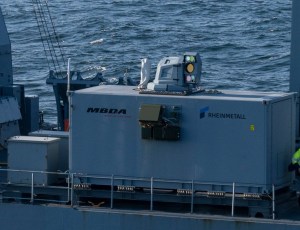
Multiple nations are accelerating the development and deployment of directed energy laser weapons, with Rheinmetall and MBDA partnering to deliver an operational laser system for the German Navy by 2029, while achieving a European first by successfully engaging targets against a clear blue sky background. Israel's Elbit Systems is advancing laser technology specifically designed to counter high-volume drone and missile swarm attacks, as revealed during their 2025 financial presentation. The British Army is testing experimental laser weapons equipped with sophisticated sensors and tracking systems capable of maintaining a continuous lock on moving targets. The United States Army is simultaneously pursuing short-range air defense laser solutions through competitive prototyping, while South Korea's Defense Acquisition Program Administration plans to deploy at least one "Block-I" anti-air laser system within the current year. Additionally, a concerning security incident involving the unauthorized procurement and illegal export of specialized laser technology to China highlights the growing geopolitical sensitivity surrounding directed energy advancements.
Key Takeaways
- 1. Germany's Rheinmetall and MBDA are on track to deliver a naval laser weapon system by 2029, marking a significant European milestone in directed energy capability
- 2. Israel is investing in laser technology specifically engineered to neutralize mass drone and missile swarm threats
- 3. The British Army's laser weapon demonstrates advanced target-tracking technology using sophisticated sensor systems
- 4. The U.S. Army continues refining directed energy solutions for short-range air defense through competitive prototyping programs
- 5. Illegal laser technology exports to China underscore the critical national security risks associated with directed energy proliferation