Military Training Exercises in Louisiana Are Defining the Future Structure and Capabilities of Army Brigade Combat Teams

Summary
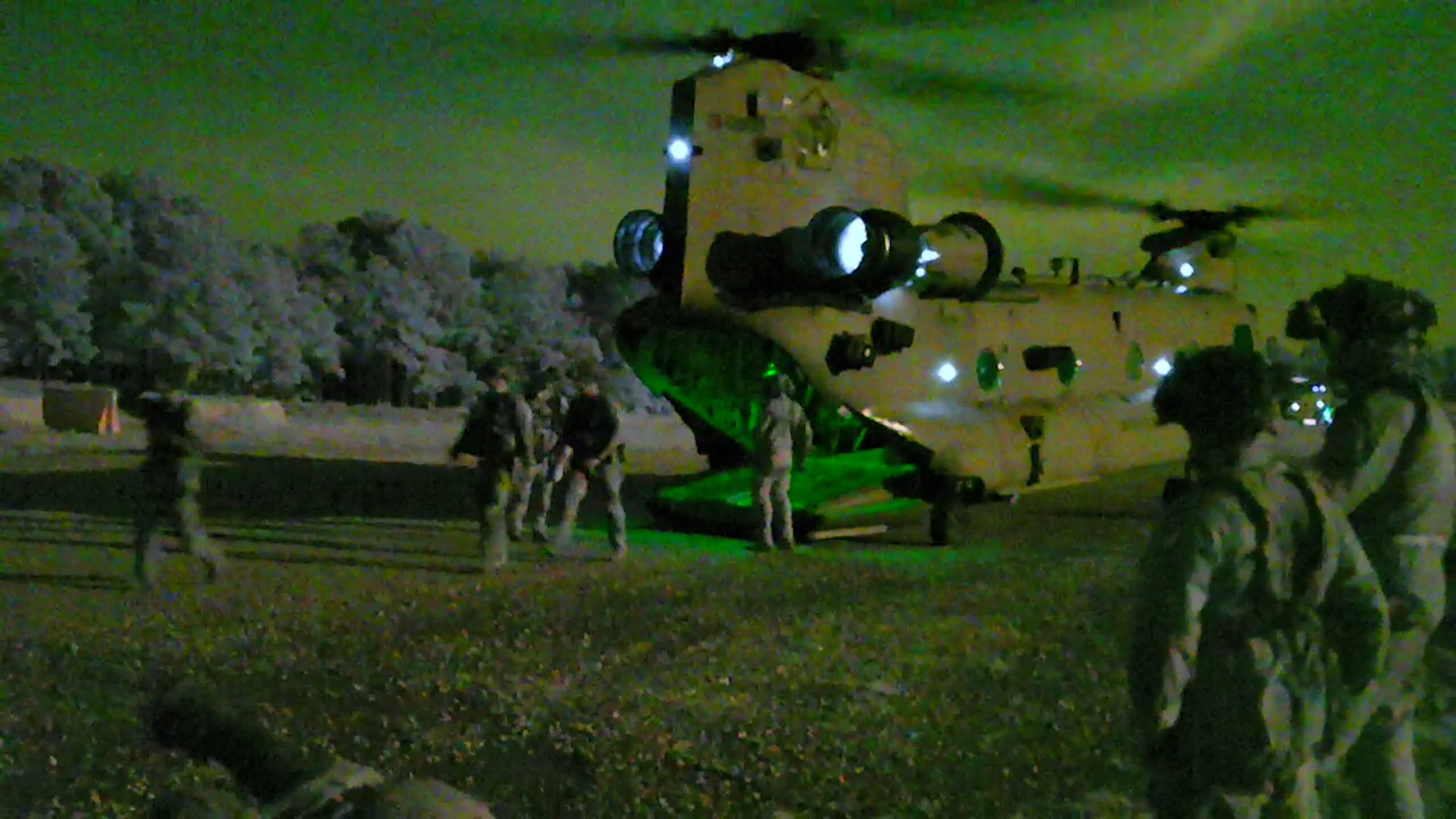
The U.S. Army is conducting a series of experiments at the Joint Readiness Training Center in Louisiana as part of a broader initiative called "Transformation in Contact," which aims to reshape how brigade combat teams are organized, equipped, and deployed for future conflicts. Three brigades — from the 101st Airborne Division, 25th Infantry Division, and 10th Mountain Division — are testing cutting-edge technologies including electromagnetic spectrum tools, counter-drone systems, and drastically downsized command posts that can be operated by just eight soldiers instead of the previous sixty. The 2nd Brigade, 101st Airborne Division demonstrated a 500-mile air assault using 76 aircraft to transport over 2,000 soldiers and 252 pieces of equipment, highlighting the Army's goal of projecting rapid strike capability against potential adversaries like Russia, China, Iran, and North Korea from regional installations. Brigade sizes have been reduced from approximately 4,300 soldiers during the Global War on Terror era to around 3,000, with many assets shifted to the division level to streamline brigade operations and increase battlefield agility. Army leaders expect tangible transformation results within the next year, with lessons learned from these rotating exercises informing broader force-wide changes over the next five years.
Key Takeaways
- 1. The Army's "Transformation in Contact" initiative is modernizing brigade combat teams by integrating commercial technology, smaller command posts, and leaner troop configurations to improve survivability and operational speed
- 2. Command posts have been dramatically reduced from 600-square-foot, eight-plus vehicle setups to compact 200-square-foot, four-Humvee configurations, cutting setup and teardown time from 45 minutes to under 20 minutes
- 3. Decoy command posts using commercially purchased components are being deployed to mislead enemy forces into revealing their positions, demonstrating innovative low-cost tactical deception methods
- 4. The 500-mile air assault capability is strategically significant, as it allows the Army to strike critical targets in potential adversary nations directly from existing regional military installations
- 5. Lessons from the war in Ukraine — particularly the vulnerability of large, detectable command posts to drone strikes and signals intelligence — have directly influenced the Army's drive toward smaller, more mobile, and less electronically visible headquarters