U.S. Navy Acknowledges Vulnerability of Ballistic Missile Submarines to Drone and Anti-Tank Weapon Threats

Summary
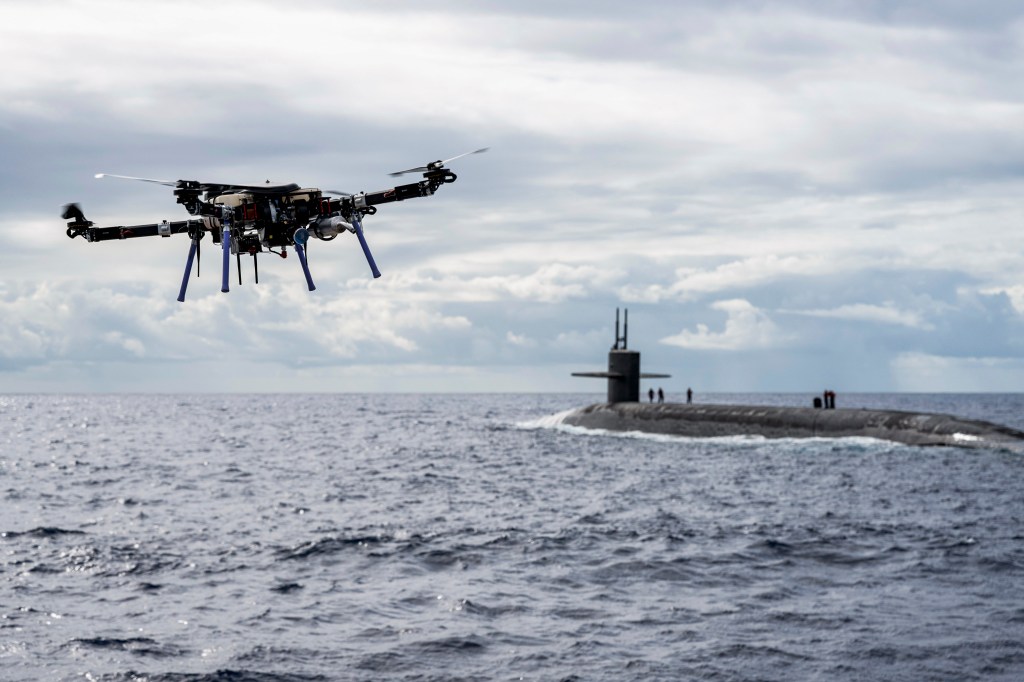
The U.S. Navy has acknowledged that its nuclear-armed ballistic missile submarines (SSBNs), while nearly impervious when submerged in open ocean, face significant vulnerabilities when docked in port or traveling on the surface during transit to and from their dive points. Inspired in part by Ukraine's successful underwater drone strike on a Russian submarine in Novorossiysk, the Navy is actively seeking prototype technologies to detect, track, and neutralize threats across multiple domains, including unmanned systems, mines, and direct-fire weapons like anti-tank guided missiles and rocket-propelled grenades. The Navy's Strategic Systems Program has outlined 22 focus areas in a Sources Sought announcement, covering everything from harbor sensor systems and robotic patrol vehicles to active protection systems for ground convoys transporting ICBMs. Artificial intelligence poses an additional emerging threat, prompting the Navy to seek countermeasures against autonomous drone swarms, AI-enabled surveillance targeting nuclear facilities, and cyberattacks on strategic security networks. Beyond active defenses, the Navy is also pursuing signature-reduction technologies to minimize submarines' acoustic, electromagnetic, and other detectable signals, reinforcing the principle that remaining undetected is the most effective form of protection.
Key Takeaways
- 1. U.S. ballistic missile submarines are vulnerable to drone attacks, mines, and anti-tank weapons while in port or transiting on the surface
- 2. Ukraine's drone strike on a Russian submarine has validated previously theoretical threats and accelerated U.S. defensive planning
- 3. The Navy is pursuing unmanned patrol vehicles, harbor sensors, and robotic inspection platforms to strengthen base and waterway security
- 4. AI-driven threats, including autonomous drone swarms and cyberattacks targeting nuclear facilities, have emerged as a critical new concern
- 5. Reducing submarine signal signatures across acoustic, electromagnetic, and other domains remains a foundational defensive strategy to avoid detection altogether