France and United Kingdom Conduct Unprecedented Combined Aerial Nuclear Strike Drill

Summary
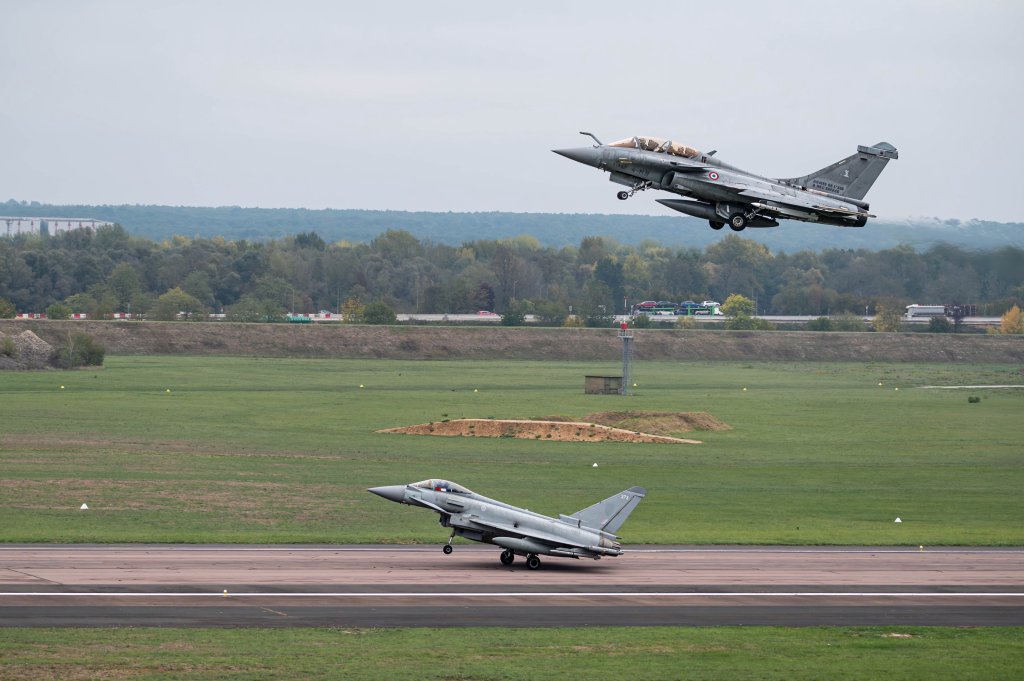
France and the United Kingdom conducted their first-ever joint airborne nuclear strike exercise, dubbed "Exercise Rummy," in which Royal Air Force Eurofighter Typhoon jets escorted French Rafale fighters on a simulated nuclear strike mission over the Mediterranean on October 20-21. The exercise, which involved no actual nuclear weapons, also included A330 MRTT aerial refueling tankers, with all crews departing from Saint-Dizier air base in northeastern France. This historic drill represents a significant milestone in Franco-British nuclear cooperation, stemming from the Northwood Declaration signed the previous year, in which both nations committed to deeper coordination and agreed that no extreme threat to Europe would go unanswered by both countries. While France and the UK maintain completely independent nuclear decision-making authority, the exercise demonstrated a new willingness to coordinate their respective nuclear capabilities, particularly notable given that France's Strategic Air Forces have operated in complete autonomy since their establishment in the 1960s. The joint drill reflects broader European efforts toward "forward deterrence" as European nations seek to strengthen their own security frameworks amid uncertainty surrounding U.S. security guarantees in the face of Russian aggression.
Key Takeaways
- 1. This marks the first time France and the UK have ever conducted a joint airborne nuclear strike exercise, representing a historic shift in European nuclear cooperation
- 2. The exercise was conducted under the framework of the Northwood Declaration, through which both nations pledged that no extreme threat to Europe would trigger a response from only one country
- 3. France holds a unique dual nuclear capability with both submarine-launched ballistic missiles and air-launched nuclear cruise missiles via Rafale jets, while the UK relies solely on submarine-based nuclear deterrence
- 4. Both nations explicitly maintain independent nuclear forces with no shared decision-making, emphasizing that coordination does not equate to joint command or control
- 5. The drill reflects growing European concern over Russian aggression and uncertainty about continued U.S. security commitments, driving momentum toward stronger indigenous European deterrence strategies