The Evolving U.S. Army Footprint: Major Repositioning Efforts in 2026 and Future Strategic Directions

Summary
Throughout 2026, the U.S. Army underwent significant structural and geographic repositioning, with major emphasis placed on the Western Hemisphere and Indo-Pacific regions, driven by the 2026 National Defense Strategy. In the Middle East, ongoing hostilities with Iran complicated planned troop reductions, leading to extended deployments of the 82nd Airborne Division and additional forces from the 10th Mountain Division, while U.S. forces completed withdrawals from Syria and Iraq despite warnings from security experts about resulting power vacuums. In Europe, the Army's force posture remained uncertain as the Pentagon launched a broad review of troop levels and base structures across the continent, balancing pressure on NATO allies to shoulder greater defense responsibilities against the ongoing need to support Ukraine and conduct multinational training exercises. The Indo-Pacific theater was defined by deterrence-focused activities, highlighted by the record-breaking Balikatan 2026 exercise and the launch of a new Indo-Pacific multi-domain command integrating advanced technologies including drones, artificial intelligence, and electronic warfare capabilities. Meanwhile, U.S. military presence in Africa continued to shrink significantly, while the Marine Corps expanded its Arctic footprint in Alaska to prepare for extreme cold-weather operations.
Key Takeaways
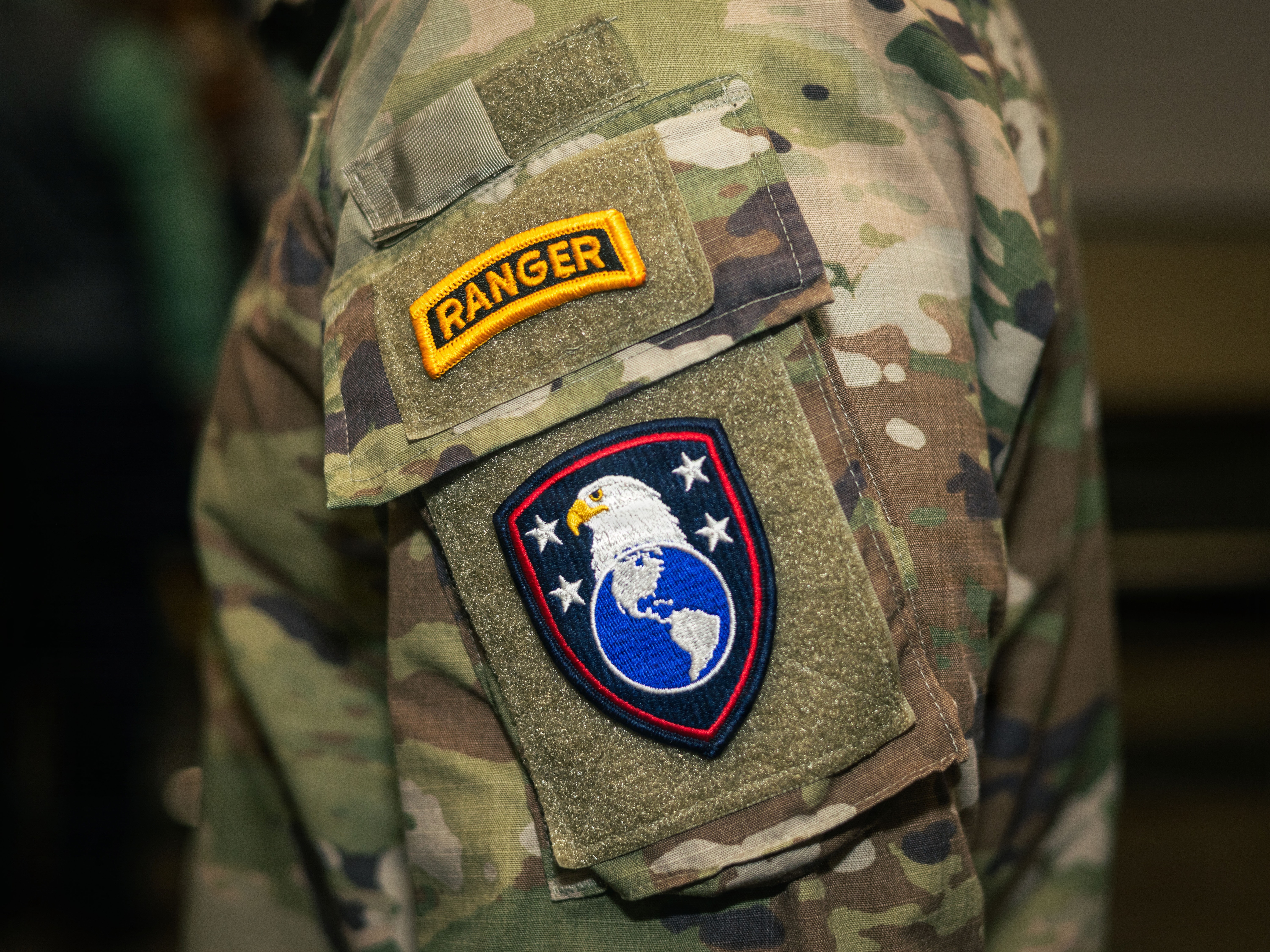
- 1. The U.S. Army established a new Western Hemisphere Command at Fort Bragg, consolidating multiple commands and prioritizing homeland defense and regional security over solely countering China
- 2. Ongoing conflict with Iran forced extended deployments in the Middle East, even as the U.S. completed controversial withdrawals from Syria and Iraq
- 3. Europe's force posture remains in flux, with a Pentagon-wide review underway and tension between reducing Brigade Combat Teams and maintaining sufficient deterrence against Russian aggression
- 4. The Indo-Pacific theater saw a strong deterrence-focused posture, with multinational exercises growing in scale and a new multi-domain command launched to integrate cutting-edge warfare technologies
- 5. U.S. military presence in Africa has been drastically reduced by 75% over the past decade, raising serious concerns among commanders about intelligence gaps and diminished operational capacity