Arctic Ambitions: The Northern Sea Route and the Emerging Global Power Struggle for Polar Supremacy

Summary
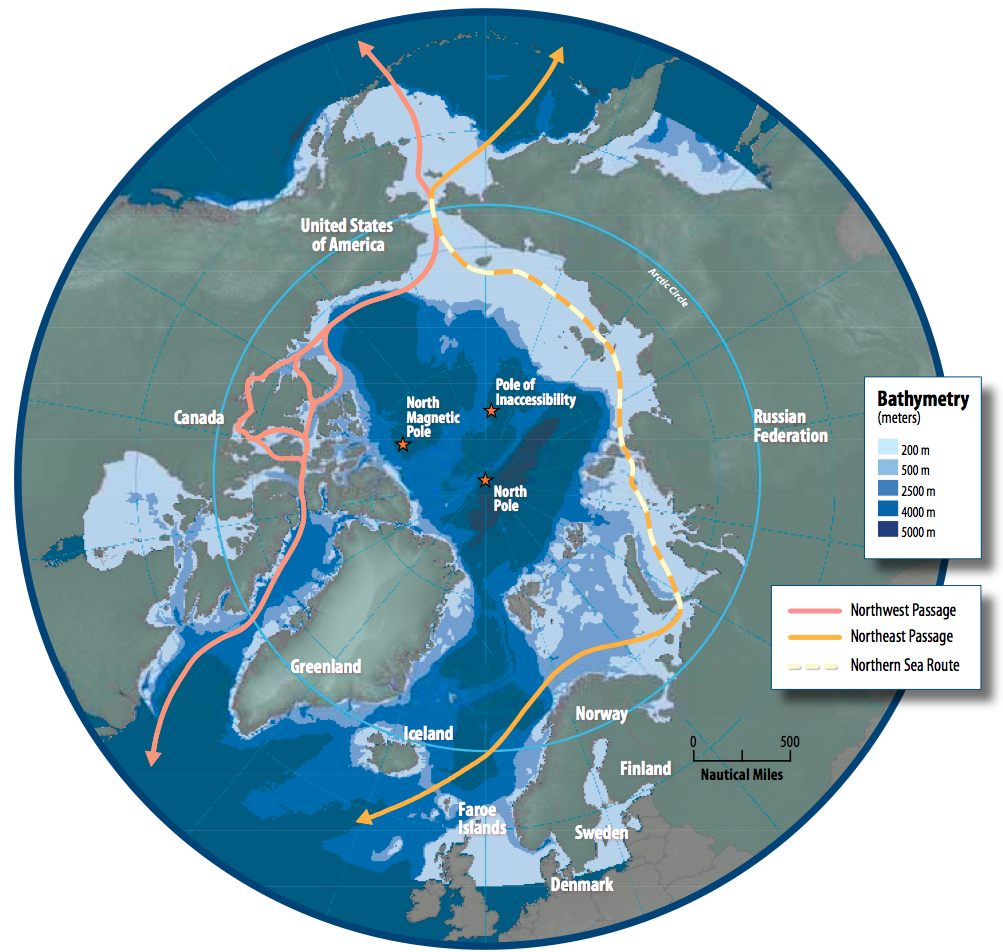
The Arctic region is rapidly transforming into a critical arena of great-power competition, driven by climate change-induced ice melting that is unlocking vast energy resources and shorter shipping routes through the Northern Sea Route (NSR). India's announcement in August 2026 of a planned 2027 merchant voyage through the NSR signals a significant strategic shift, joining China, South Korea, and other nations in recognizing the route's growing commercial and geopolitical importance. The region's strategic significance is underpinned by overlapping sovereignty disputes, continental shelf claims, and competing interests from major powers including Russia, the United States, China, Canada, and Nordic nations, all advancing their positions through frameworks like the Arctic Council and UNCLOS. Russia, which holds the dominant share of estimated Arctic hydrocarbon reserves and has been developing the NSR for decades, has demonstrated its assertiveness through symbolic acts such as planting its flag on the Arctic seabed beneath the North Pole in 2007. The increasing militarization of the Arctic, combined with intensifying resource competition and strategic access rivalries, presents serious risks of conflict that experts warn will require careful and coordinated multilateral diplomatic management.
Key Takeaways
- 1. **India's Strategic Arctic Entry:** India's planned 2027 NSR transit represents a deliberate strategic move to secure alternative maritime routes, reduce dependence on vulnerable traditional chokepoints, and establish a foothold in Arctic geopolitics
- 2. **Russia's Dominant Arctic Position:** Russia controls the bulk of Arctic hydrocarbon reserves and maintains critical military infrastructure, including its Northern Fleet, giving it overwhelming strategic leverage over NSR governance and regional security dynamics
- 3. **Accelerating Militarization Risk:** The convergence of energy security interests, shortened shipping routes, and great-power rivalry is driving dangerous militarization of the Arctic, significantly increasing the probability of miscalculation and armed confrontation
- 4. **China's Polar Silk Road Threat:** China's 2018 Arctic Policy and Polar Silk Road concept represents a systematic long-term strategy to project naval and commercial power into the Arctic, directly challenging Western and traditional Arctic nation dominance
- 5. **Sovereignty and Legal Ambiguity:** Unresolved disputes over continental shelves, Northwest Passage sovereignty, and resource rights under UNCLOS create persistent flashpoints that could escalate into broader defence and military confrontations among competing powers