How Varying Security Concerns Drive Divergent Air Power Strategies Among India, China, and Pakistan

Summary
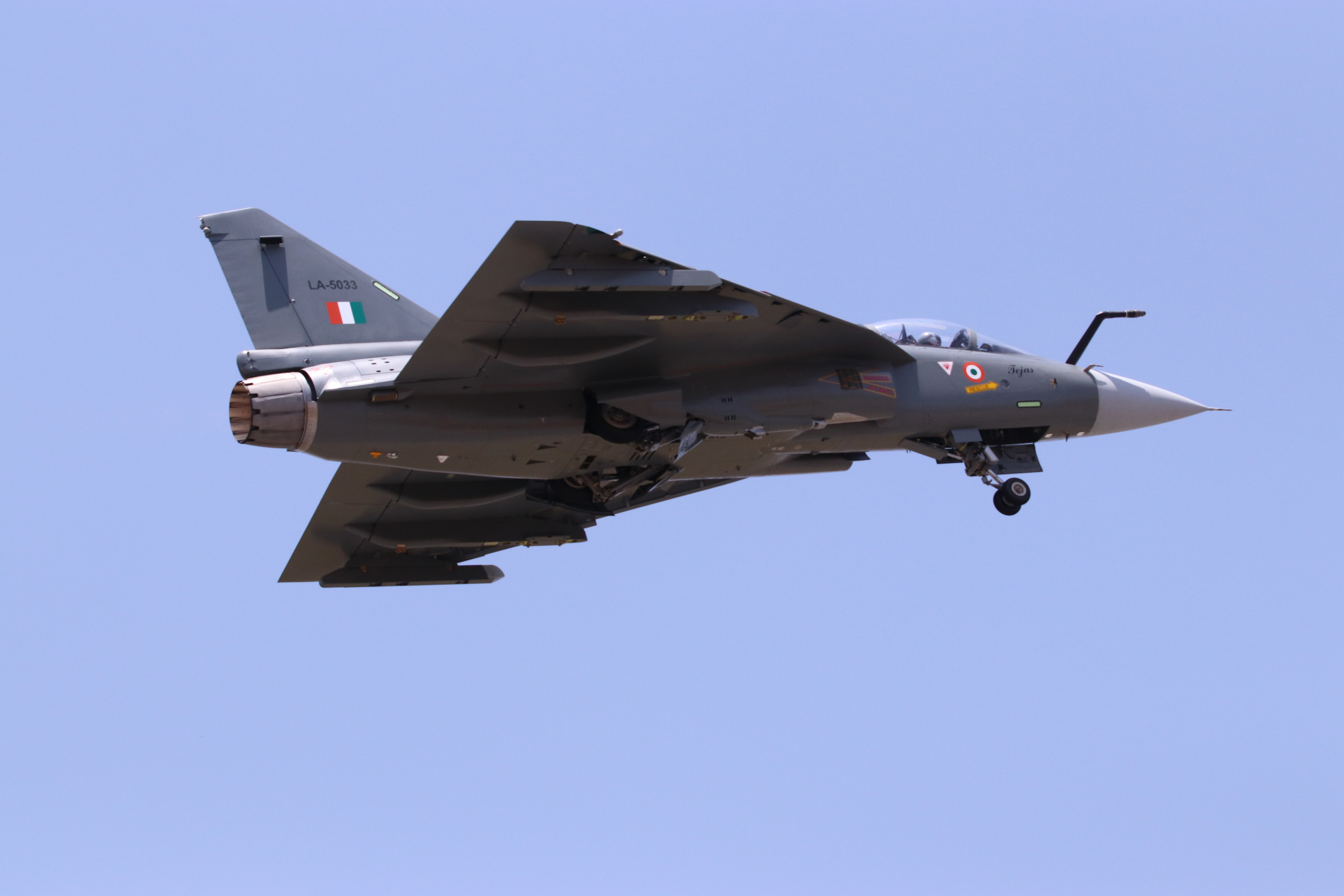
India faces a uniquely challenging geostrategic position, confronting simultaneous threats from two nuclear-armed neighbors, China and Pakistan, whose deepening political, economic, and military cooperation further complicates India's defence planning calculus. Control of the air domain is identified as the decisive initial contest in any modern conflict, given air power's unmatched ability to find, fix, track, target, and engage adversary forces across vast operational depths without the physical constraints faced by ground and naval forces. According to the 2026 Global Firepower Index, China ranks third globally, India fourth, and Pakistan 14th, with each nation's air force reflecting distinctly different strategic priorities — the PLAAF pursuing rapid expansion with stealth capabilities and long-range missiles, the IAF maintaining steady but cautious modernisation, and the PAF focusing on agility and cost-effective deterrence against India specifically. A meaningful capability comparison must extend beyond hardware numbers to encompass doctrine, force structure, logistics, ISR resources, training standards, and operational experience to accurately assess South Asian air power dynamics. Critically, the PAF must be evaluated as a Chinese-enabled force, benefiting from Beijing's ISR, datalink, electronic warfare, and targeting support, while the nuclear status of all three nations makes full-scale war unlikely but not impossible if escalation becomes miscalculated.
Key Takeaways
- 1. India's dual-front threat from China and Pakistan, whose strategic collusion creates compounded security challenges, demands continuous reassessment of IAF capabilities and multi-front war preparedness
- 2. Air power superiority is recognized as the primary determinant of early conflict outcomes, offering commanders unparalleled reach, flexibility, and targeting capacity beyond what land or naval forces can achieve
- 3. The PLAAF's rapid modernisation — including growing stealth fighter fleets, advanced long-range missiles, and resilient command networks — is significantly widening its capability gap over regional competitors
- 4. The PAF should not be assessed as an independent air force but rather as a Chinese-augmented force, with Beijing providing critical ISR, electronic warfare, datalink connectivity, and targeting assistance that substantially multiplies Pakistani air combat effectiveness
- 5. The nuclear status of all three nations creates a strategic deterrence ceiling that makes all-out conventional war unlikely, yet the risk of miscalculated escalation remains a dangerous and credible scenario requiring careful crisis management