Monitoring Pakistan Navy's Need for Mesh Network Connectivity Capabilities

Summary
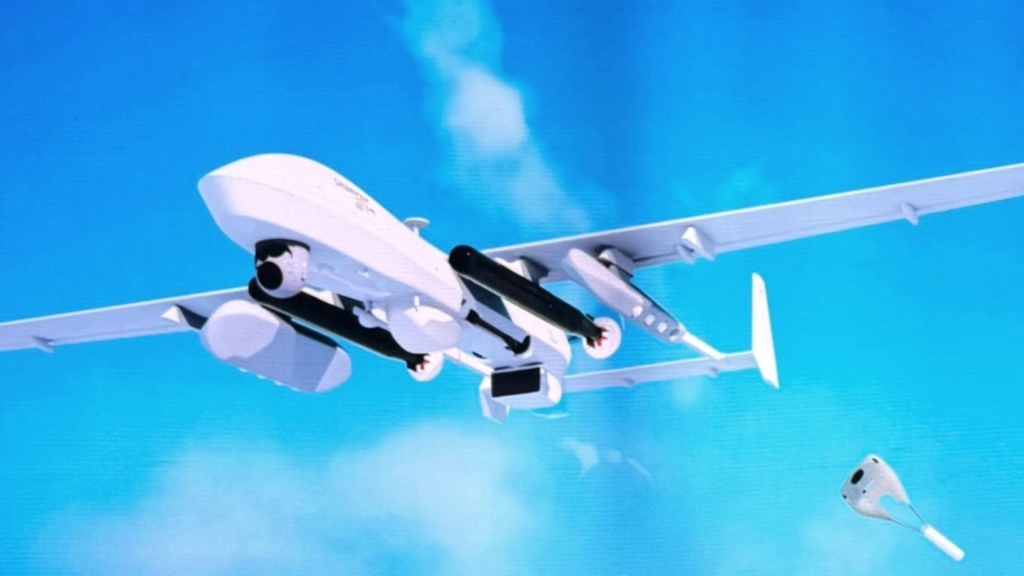
Pakistan Navy Chief Admiral Naveed Ashraf outlined an ambitious vision for a technologically integrated Naval Air Arm centered on manned-unmanned teaming, artificial intelligence, sensor fusion, and mesh networking. The Pakistan Navy already possesses significant foundational hardware for this vision, including long-range maritime patrol aircraft, multi-mission naval helicopters, an indigenous tactical data-link called Link Green, and a growing long-range missile arsenal. NESCOM is actively developing key unmanned systems — the Shahpar-3 UAV, Muhassir USV, and Israr AUV — though several platforms, including these drones and the Sea Sultan LRMPA, have yet to be deployed at scale or formally inducted into service. The full realization of mesh networking, MUM-T, and wide-scale sensor fusion capabilities will therefore depend heavily on the successful induction of these next-generation platforms in the short-to-medium term. These technological priorities are also considered more financially accessible than major platform acquisitions, creating market opportunities for both domestic and foreign suppliers of edge radios, drone-control software, and sensor-fusion solutions.
Key Takeaways
- 1. Pakistan Navy has a clear strategic vision for a MANET-based mesh network connecting ships, aircraft, drones, USVs, and shore stations to enable resilient, decentralized communications
- 2. NESCOM's development of the Shahpar-3, Muhassir, and Israr represents a critical unmanned systems foundation, but delays in deployment create a capability gap that must be closed before full MUM-T implementation
- 3. The indigenous tactical data-link "Link Green" provides an existing networking backbone, giving Pakistan Navy a head start in building an integrated battlefield communications architecture
- 4. Mesh networking's inherent resilience — routing data around destroyed, jammed, or out-of-range nodes — offers Pakistan Navy significant operational survivability advantages in contested maritime environments
- 5. The convergence of these technology requirements creates substantial procurement and partnership opportunities for domestic and international defence suppliers specializing in edge computing, AI integration, and drone control systems