Understanding Pakistan's Strategic Shift Toward Affordable, Fast-Moving Offensive Drone Systems

Summary
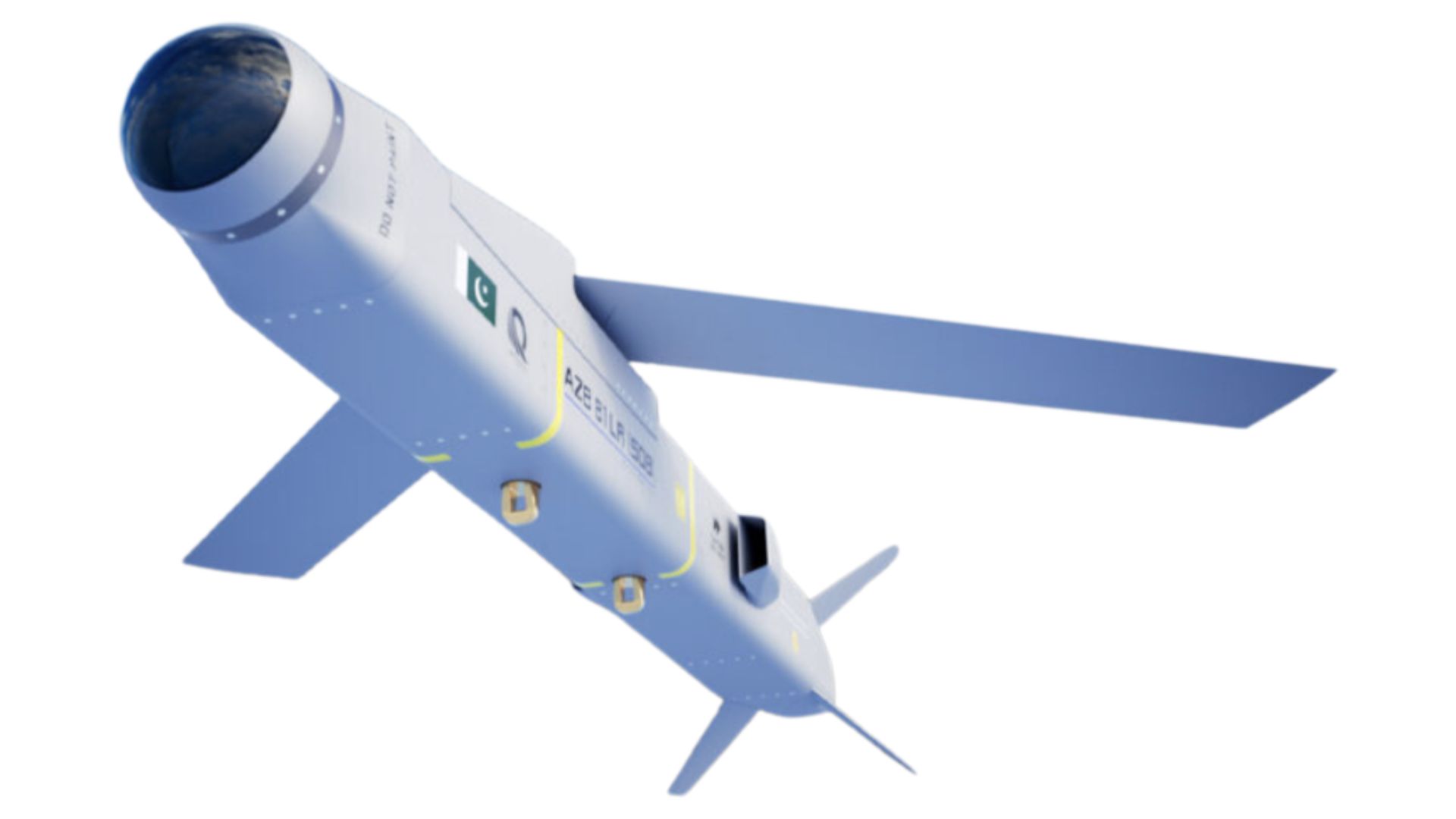
Pakistan is drawing critical lessons from the Russia-Ukraine conflict, leading to a deliberate strategic pivot toward large-scale production of subsonic, turbojet-powered cruise missiles and one-way attack (OWA) loitering munitions. Both private sector companies and state-owned enterprises in Pakistan are actively developing multiple turbojet-powered OWA systems, including the Sarfarosh, KaGeM V3, Delta Baaz, HiMark-25(TJ), and Nimbus 2K, alongside piston-powered alternatives modeled after the Iranian Shahed-136. This development positions Pakistan as an early mover in jet-powered loitering munition technology, a domain that is only now gaining broader global attention following observed trends in the Ukraine war. Evidence from Ukraine's battlefield experience strongly validates this strategic direction, as Russian jet-powered OWAs grew from 350 monthly deployments in June 2026 to approximately 3,500 in September 2026, representing a tenfold increase within just a few months. According to Ukrainian military officials, jet-powered OWAs already constitute 40% of Russian drone strikes and are projected to reach 80%, effectively displacing piston-powered systems as the dominant strike tool.
Key Takeaways
- 1. Pakistan is deliberately diversifying its drone arsenal by prioritizing lower-cost, scalable turbojet-powered OWA loitering munitions as a core component of its future strike capability
- 2. Multiple Pakistani defense entities, both public and private, are simultaneously developing turbojet-powered OWA systems, indicating a broad national commitment to this technology rather than a single isolated program
- 3. Russia's battlefield experience in Ukraine serves as a real-world validation model, demonstrating that jet-powered OWAs offer significant operational advantages over piston-powered alternatives in high-intensity conflicts
- 4. The explosive growth in Russian jet-powered OWA deployments — a tenfold increase in just four months — signals a fundamental shift in modern warfare doctrine that Pakistan appears to be proactively anticipating
- 5. Pakistan's early adoption of turbojet-powered loitering munitions could provide a meaningful strategic asymmetric advantage, particularly given the cost-effectiveness and scalability of these systems relative to traditional precision-strike weapons