How Pakistan's Fatah-4-ER Missile Trial May Influence the Trajectory of Future Weapons Development

Summary
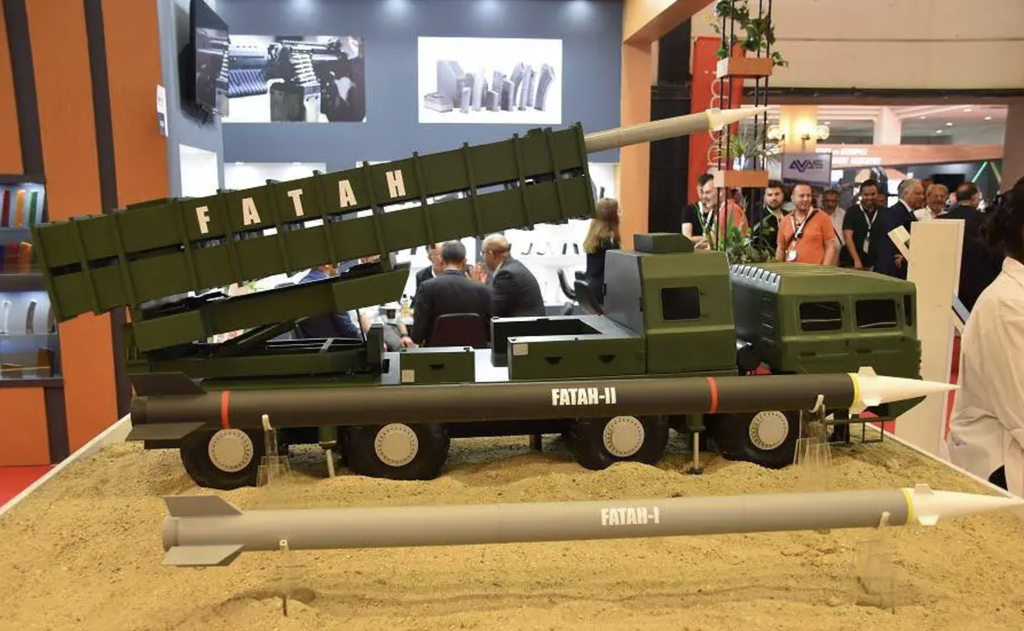
Pakistan's October 6th test of the Fatah-4-ER cruise missile has reinforced the understanding that the Fatah series represents a collection of distinct missile families, each capable of producing iterative variants rather than being a single unified weapons system. The Fatah series has evolved significantly since its origins, with the original Fatah-1 guided multiple-launch rocket system (GMLRS) giving way to a dramatically redesigned Fatah-2, which emerged in December 2023 as a larger surface-to-surface missile with a 400 km range and quasi-ballistic flight capability — fundamentally different from its initially announced predecessor. The introduction of the Fatah-3 and Fatah-4 as supersonic and subsonic cruise missiles respectively further cemented the concept that each Fatah designation constitutes its own independent missile family with unique flight characteristics and strategic roles. The Fatah-4-ER test additionally signals that Pakistan intends to pursue extended-range and performance-upgraded sub-variants within each family, potentially designated through suffixes such as "ER" or sequential letters. This expanding missile ecosystem also points toward emerging demand areas including a simplified low-cost cruise missile and electronic warfare decoys, presenting opportunities for both domestic and international defence vendors.
Key Takeaways
- 1. The Fatah series is not a linear progression but a collection of distinct missile families, each pursuing independent iterative development paths
- 2. Pakistan's willingness to redesign and rebrand the Fatah-2 demonstrates strategic flexibility and a readiness to prioritize capability over naming consistency
- 3. The Fatah-4-ER test establishes a precedent for extended-range upgrades across all Fatah sub-families, suggesting a long-term, layered missile modernization strategy
- 4. There is an emerging strategic gap between the Fatah-4 and Sarfarosh systems, pointing to potential demand for a simpler, cost-effective cruise missile solution
- 5. Pakistan's evolving missile program is generating new defence market opportunities, particularly in electronic warfare decoys, for both local and foreign defence industry players