Makkah Joint Defence Agreement Progresses Toward Practical Military Implementation

Summary
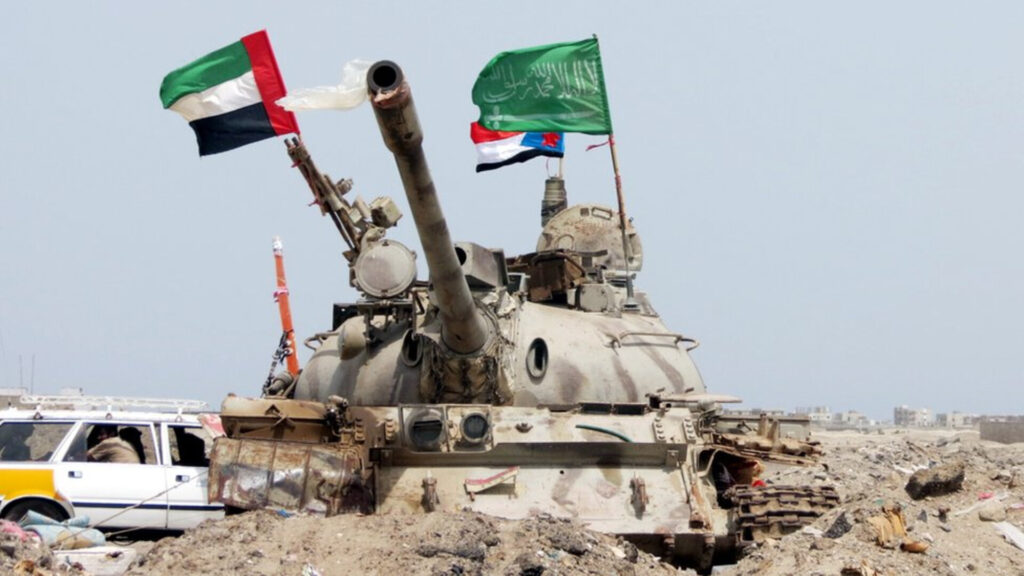
Saudi Arabia, Pakistan, and Türkiye agreed on October 5th to expedite military deployments to Saudi Arabia under the Makkah Joint Defence Agreement (MJDA), a mutual defence pact signed in August 2024 that treats an armed attack on any member as an attack on all three, amid escalating conflict between Saudi-backed Yemeni forces and Houthi militants. Pakistan's military spokesperson confirmed that Pakistani personnel were already present in Saudi Arabia based on a longstanding historical relationship, though he stopped short of clarifying whether additional troops had been deployed specifically in response to the MJDA commitments. Reuters cited an unnamed Pakistani official claiming 30,000 to 40,000 Pakistani soldiers were operating in Saudi Arabia primarily for border and air defence purposes, figures that Pakistan's Ministry of Information and Broadcasting publicly disputed while declining to offer alternative numbers. Türkiye's contribution, according to Reuters, is largely technical and defensive in nature, encompassing equipment, intelligence support, drone operators, and logistical planning, with most assistance proceeding bilaterally while the agreement awaits parliamentary ratification. The ruling AK Party indicated that parliamentary submission was expected imminently, suggesting Türkiye's formal commitment under the pact could be codified in the near term.
Key Takeaways
- 1. **Mutual Defence Activation**: The MJDA represents a significant trilateral security architecture in the Muslim world, with its collective defence clause now moving from a theoretical commitment toward operational implementation amid active regional conflict.
- 2. **Pakistan's Strategic Ambiguity**: Pakistan's government is deliberately maintaining opacity regarding troop numbers and operational roles, reflecting both confidentiality concerns and likely domestic political sensitivities surrounding direct involvement in the Yemen conflict.
- 3. **Turkish Technical Warfare Role**: Türkiye's contribution emphasizes high-value asymmetric capabilities, particularly drone operators and intelligence support, highlighting its established model of projecting influence through advanced technical military assistance rather than large ground force deployments.
- 4. **Parliamentary Ratification as a Critical Variable**: Türkiye's bilateral assistance preceding formal parliamentary ratification reveals a gap between political will and constitutional process, making full multilateral operationalization of the MJDA legally and procedurally uncertain in the short term.
- 5. **Regional Security Realignment**: The accelerated deployment signals a broader strategic shift, with three major Muslim-majority nations consolidating a formal defence bloc that could reshape the security dynamics of the Arabian Peninsula and challenge Houthi military operations more decisively.