Xi Urges Fresh Progress on China's Modern Revolutionary Path, Marking 90 Years Since Long March Victory

Summary
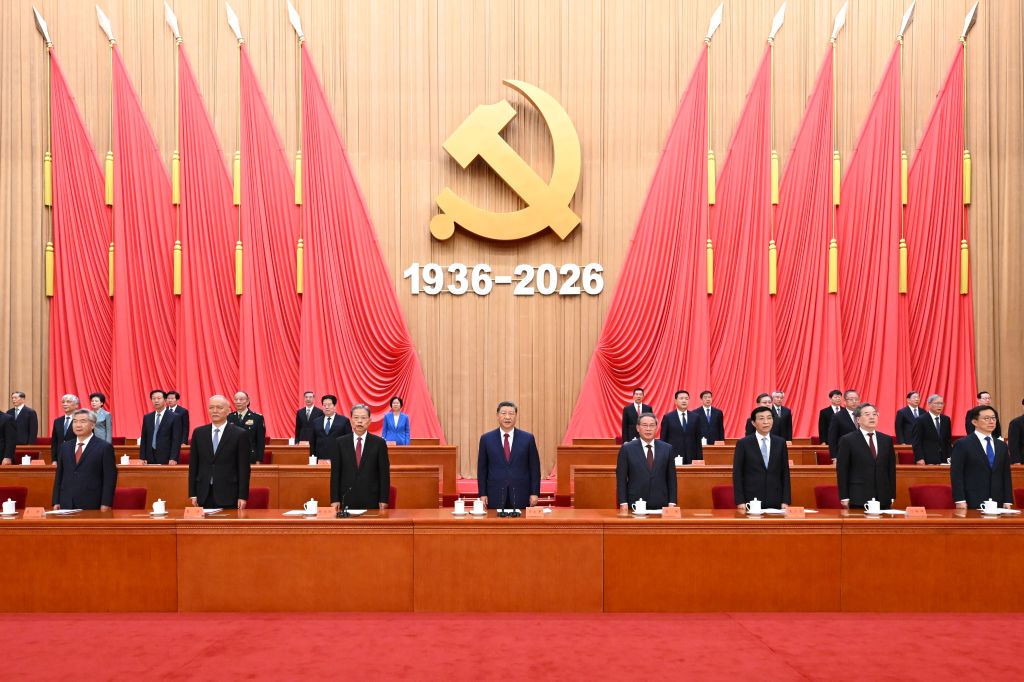
Chinese President Xi Jinping, in his capacity as both CPC General Secretary and Chairman of the Central Military Commission, delivered a keynote address at a major commemoration ceremony in Beijing marking the 90th anniversary of the Red Army's Long March victory. Xi drew direct historical parallels between the original Long March (1934-1936), which traversed more than 10 provinces and transformed the Chinese revolution, and China's contemporary national mission of achieving full modernization and national rejuvenation. He emphasized that the Party's ideological leadership, the foundational role of Mao Zedong's doctrine, and the integration of Marxist principles with Chinese-specific realities were decisive factors in past victories and remain essential for future progress. Xi stressed that military forces grounded in strong ideological conviction and noble ideals are ultimately invincible, reinforcing the political-ideological dimension of China's military strength. He concluded by calling on the nation to balance development with security, advance high-quality economic growth, and pursue common prosperity as part of achieving the Second Centenary Goal of building China into a great modern socialist state.
Key Takeaways
- 1. **Civil-Military Unity of Command:** Xi's simultaneous role as Party Secretary and CMC Chairman reinforces China's doctrine of absolute Party control over the military, with ideological loyalty remaining a core pillar of PLA institutional strength
- 2. **Ideological Conditioning as Strategic Asset:** Xi's assertion that troops with firm beliefs and noble ideals are "invincible" signals continued prioritization of political-ideological indoctrination within the PLA as a force multiplier
- 3. **Security-Development Balance:** The explicit call to "ensure both development and security" reflects China's integrated national security strategy, where economic modernization and military readiness are treated as inseparable strategic imperatives
- 4. **Historical Narrative as Strategic Tool:** By invoking the Long March legacy, Chinese leadership reinforces national resilience messaging, preparing the population and military for potential prolonged adversity or strategic competition with external powers
- 5. **Modernization as National Security Objective:** The pursuit of the Second Centenary Goal — building a fully modern socialist state — frames China's comprehensive national power development, including military modernization, as a historically inevitable and ideologically justified mission