Heirs of Doolittle Raid Survivors Make Commemorative Journey to Jiangxi Province in China

Summary
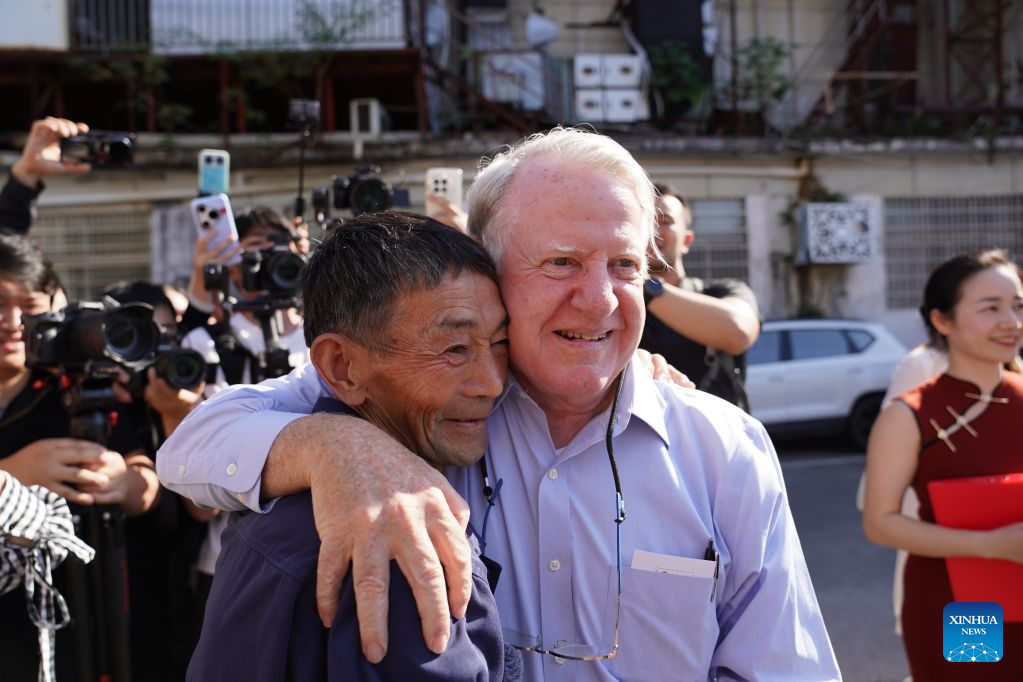
In October 2026, six descendants of participants in the historic 1942 Doolittle Raid traveled to Shangrao, Jiangxi Province, China, to honor the Chinese civilians who risked their lives to rescue American airmen 84 years prior. The Doolittle Raid, led by U.S. Lieutenant Colonel James Doolittle on April 18, 1942, was a retaliatory air strike against Japan following the Pearl Harbor attack, representing one of the earliest joint U.S.-China cooperative actions of World War II. After the raid, 15 aircraft ran out of fuel and crashed in eastern China, with Chinese villagers heroically saving 64 of the 75 airmen aboard. The rescue came at a devastating cost to local Chinese communities, as Japanese soldiers subsequently tortured and killed many villagers suspected of sheltering the Americans. The commemorative visit included viewing a historical exhibition, revisiting rescue sites, and planting a symbolic "tree of friendship," reinforcing China's long-held narrative of wartime solidarity between Chinese and American peoples.
Key Takeaways
- 1. **Historical Military Alliance:** The Doolittle Raid represents a significant moment of U.S.-China wartime military cooperation against a common adversary, Japan, during World War II
- 2. **Civilian Sacrifice in Warfare:** The incident highlights the often-overlooked role and suffering of civilian populations during military operations, with Chinese villagers paying a severe price for aiding Allied forces
- 3. **Diplomatic Symbolism:** China's state media coverage of this event signals Beijing's strategic use of historical narratives to promote positive U.S.-China relations amid contemporary geopolitical tensions
- 4. **Soft Power Messaging:** By emphasizing shared sacrifice and friendship, China appears to leverage this historical episode as a soft power tool to frame bilateral relations in a cooperative rather than adversarial context
- 5. **Commemorative Diplomacy:** People-to-people diplomacy through descendant visits serves as a non-governmental bridge between the two nations, potentially softening political tensions through shared historical memory and mutual respect