Exploring Historical Long March Landmarks and Heritage Locations Across China's Sichuan Region

Summary
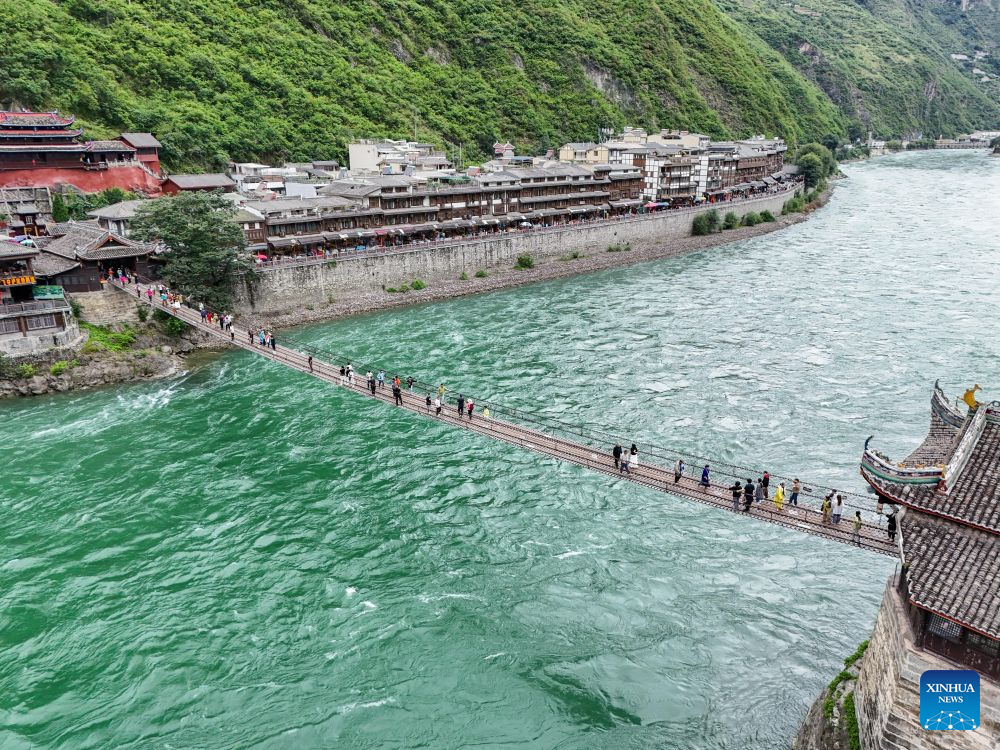
This article commemorates the 90th anniversary of the victory of the Long March in 2026, showcasing aerial drone photography of significant historical sites across Sichuan Province that were central to the Red Army's campaign between 1935 and 1936. The featured locations include the iconic Luding Bridge in Garze Tibetan Autonomous Prefecture, the Jinsha River crossing point on the Sichuan-Yunnan border, the snow-capped Jiajin Mountain, and Yihai Lake in Liangshan Yi Autonomous Prefecture. These sites represent pivotal moments in the Red Army's strategic military journey, including river crossings, key alliances, and the traversal of extreme terrain. The Long March is portrayed as a defining military and ideological victory, with Sichuan serving as one of the most strategically significant provinces in the entire campaign. China's state media outlet Xinhua presents these heritage sites as enduring symbols of revolutionary perseverance and military determination.
Key Takeaways
- 1. **Strategic Military Terrain**: The Long March demonstrated the Red Army's exceptional capability to navigate and overcome extraordinarily difficult geographical obstacles, including major rivers, snow-capped mountains, and vast grasslands across Sichuan Province
- 2. **Heritage Commemoration as Political Tool**: China's 90th anniversary commemoration of the Long March reflects Beijing's continued use of revolutionary military history to reinforce national identity, Party legitimacy, and military pride
- 3. **Alliance-Building Strategy**: The formation of the Yihai Alliance during the Long March highlights the Red Army's early recognition of the importance of building coalitions with ethnic minority groups, a strategy with lasting implications for civil-military relations
- 4. **Symbolic Military Landmarks**: Sites like the Luding Bridge represent celebrated acts of military audacity that remain central to the People's Liberation Army's institutional identity and warrior ethos
- 5. **Propaganda and Soft Power**: State-sponsored aerial documentation and promotion of these heritage sites serves as a deliberate soft power initiative, reinforcing the narrative of an invincible and resilient Chinese military tradition for both domestic and international audiences