Three Decades of China's Human Spaceflight Initiative: Marking 34 Years Since the Launch of Project 921

Summary
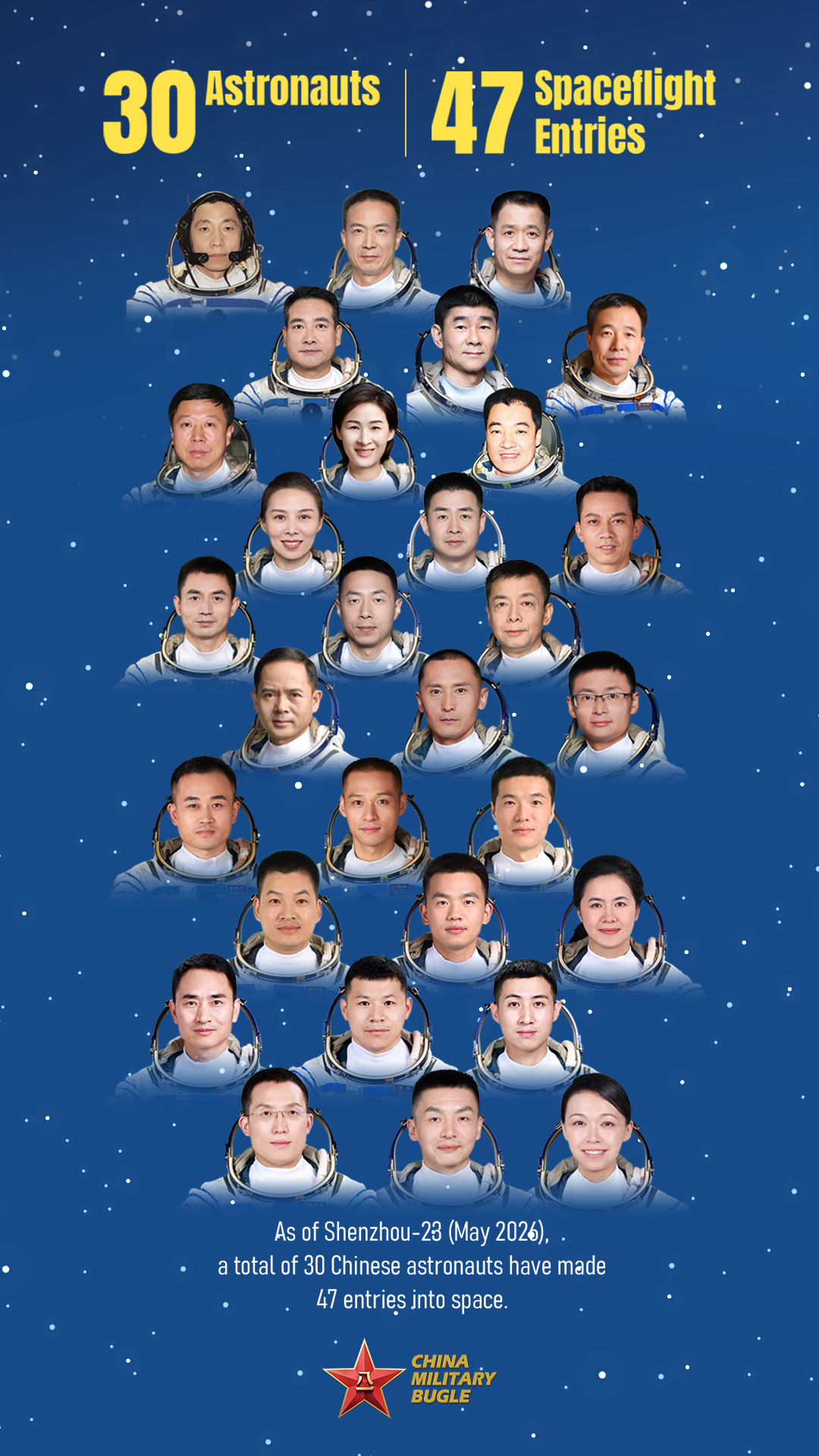
On September 21, 1992, China officially authorized its manned space program known as "Project 921," establishing a structured three-phase roadmap for human spaceflight development. The program began with foundational goals of placing astronauts in orbit and returning them safely, progressing through increasingly complex milestones including China's first crewed mission with Yang Liwei aboard Shenzhou-5 in 2003 and its first spacewalk performed by Zhai Zhigang in 2008. The second phase focused on mastering critical advanced technologies such as extravehicular activity and orbital docking maneuvers, which were essential prerequisites for the construction of a permanent space station. The third and most ambitious phase was achieved in 2022 with the completion of the China Space Station, marking the full realization of the original three-step strategic vision and transitioning the program into an operational application and development phase. Building on this momentum, China has now set its sights on lunar exploration, maintaining a firm target of landing astronauts on the Moon by 2030 with an extensive development and testing schedule already underway.
Key Takeaways
- 1. **Strategic Long-Term Planning:** China's methodical three-step approach to space development demonstrates its capacity for sustained, long-range strategic military and technological planning spanning decades
- 2. **Technological Sovereignty:** Developing independent human spaceflight capabilities reduces China's reliance on foreign space infrastructure, significantly strengthening its national security and defence posture
- 3. **Dual-Use Space Capabilities:** Mastery of orbital docking, extravehicular activity, and space station operations carries direct implications for potential military applications including surveillance, anti-satellite operations, and space domain awareness
- 4. **Lunar Strategic Competition:** China's 2030 lunar landing goal places it in direct competition with the United States and its Artemis program, framing the Moon as a critical domain for geopolitical and strategic influence
- 5. **Accelerating Program Maturity:** The transition from development to application phase signals that China's space program has reached operational maturity, enabling faster deployment of both civilian and military space assets