Honoring the Long March | A Journey Through History as Witnessed by an Outsider

Summary
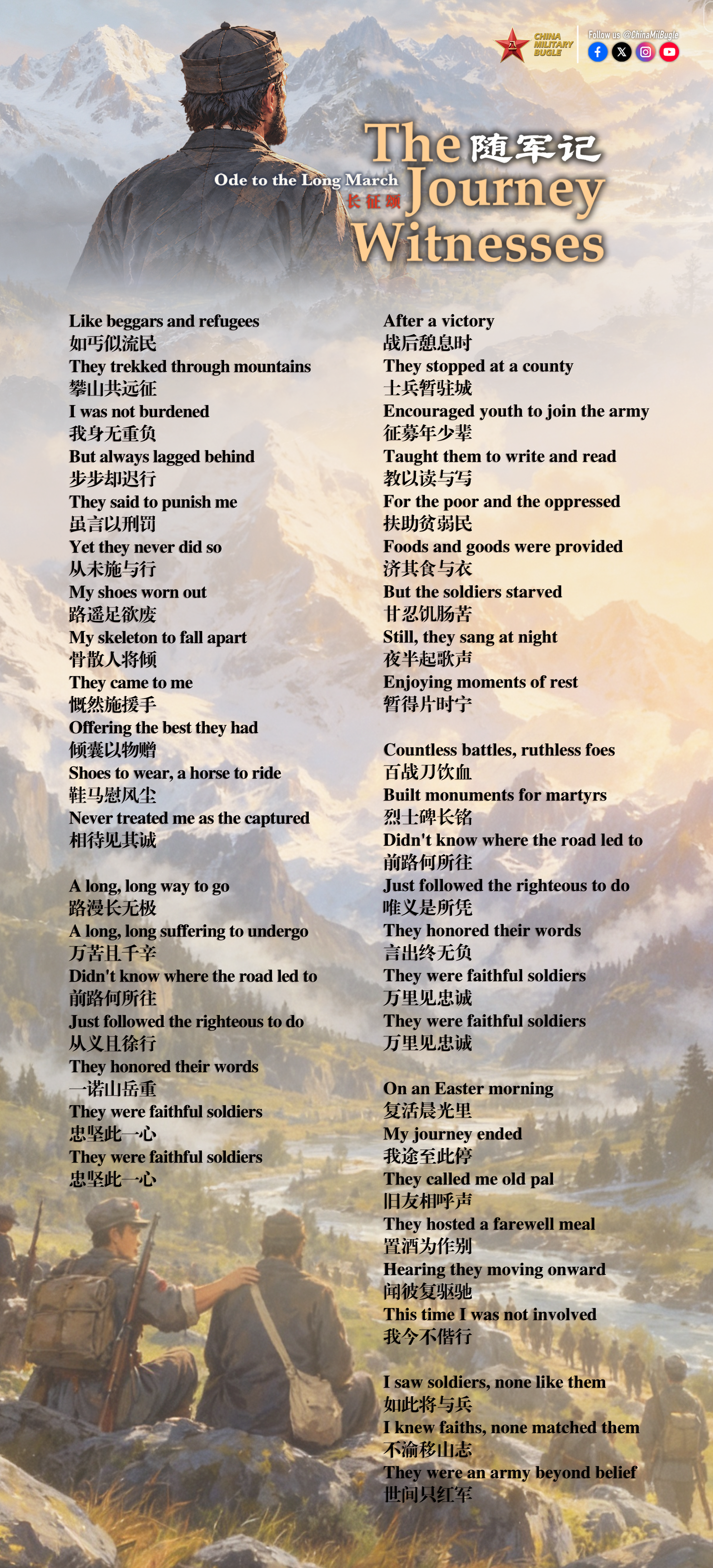
This article recounts the unique historical account of Rudolf Alfred Bosshardt, a British missionary of Swiss descent, who was inadvertently detained by the Sixth Army Corps of the Chinese Workers' and Peasants' Red Army during the Long March in October 1934. Bosshardt traveled with the Red Army for 18 months across the Chinese provinces of Hunan, Guizhou, and Yunnan until his release in April 1936, making him an unlikely Western eyewitness to one of China's most significant military events. Deeply impressed by the Red Army's strict military discipline and ideological conviction, Bosshardt documented his experiences in an autobiographical memoir titled "The Restraining Hand," published in London in December 1936. Notably, this publication preceded Edgar Snow's renowned "Red Star Over China" by one year, making it the first Western account to introduce the Long March to international audiences. The article commemorates the 90th anniversary of the Long March's victory by revisiting Bosshardt's firsthand memories of this epic military campaign.
Key Takeaways
- 1. The Long March demonstrated exceptional military discipline and ideological commitment within the Red Army, strong enough to leave a lasting impression even on an unintended foreign captive
- 2. Bosshardt's account represents the first Western documentation of the Long March, highlighting the early international significance of this pivotal Chinese military campaign
- 3. The Red Army's conduct during the Long March, as observed by an outsider, contributed positively to shaping early Western perceptions of Chinese communist military forces
- 4. The 90th anniversary commemoration of the Long March reflects China's continued strategic use of this historical event to reinforce military identity, national pride, and ideological legitimacy
- 5. The Long March's extensive geographic scope across multiple provinces underscores the remarkable logistical and strategic endurance of the Red Army, which remains a foundational element of Chinese military heritage and doctrine