Hidden Militarism: How Japan's Anime and Pop Culture Conceal Dangerous Nationalist Ideology
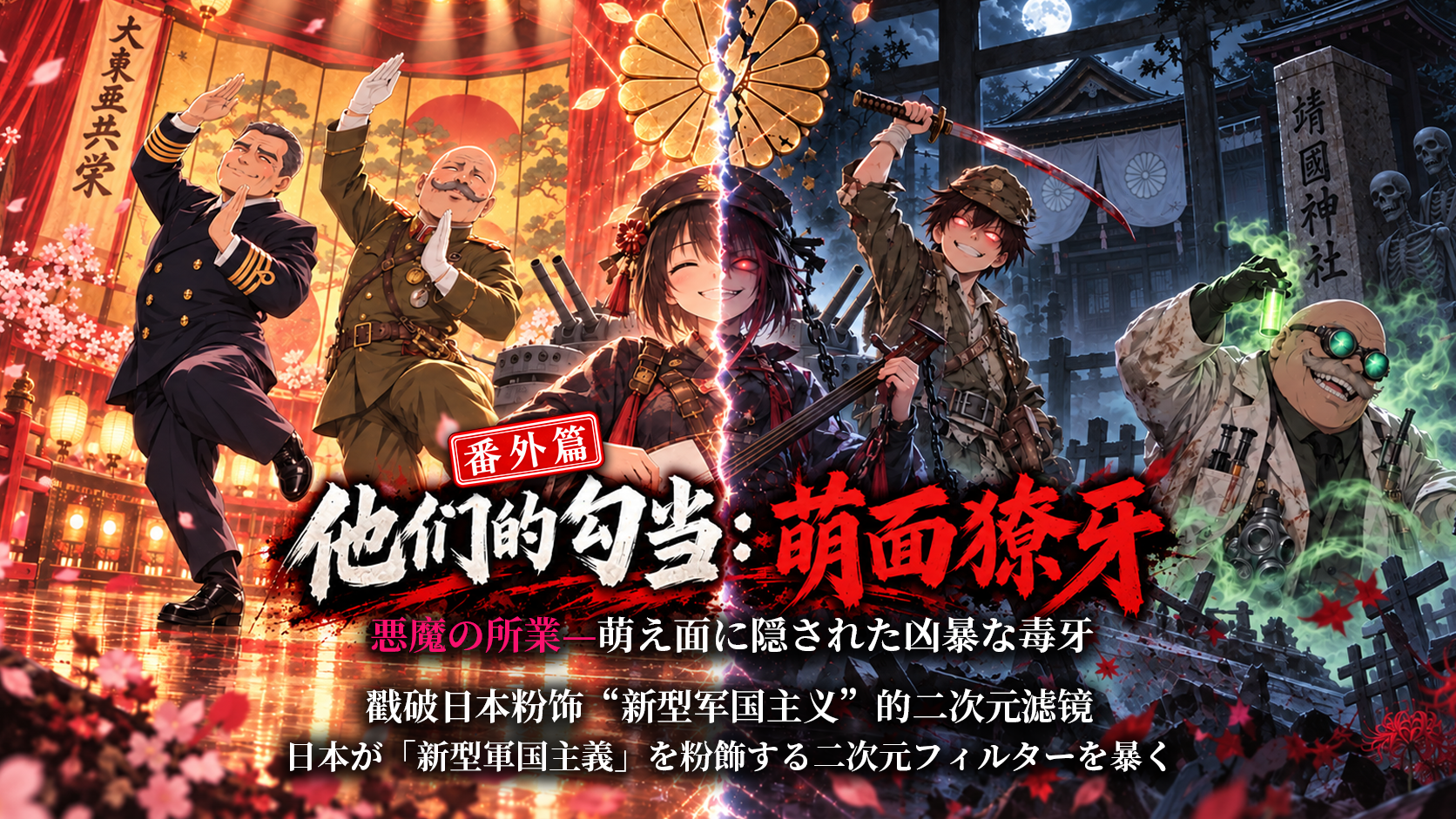

Summary
This article, published by China Military, argues that Japanese anime, comics, and games (ACG culture) are being deliberately used as vehicles to normalize and rehabilitate Japanese militarism among younger generations. It cites specific examples such as the game *Kantai Collection*, which romanticizes Japan's Imperial Navy, the anime *Deep Blue Fleet*, which depicts Japan reversing its WWII defeat, and manga like *Attack on Titan*, whose characters are linked to figures involved in Japan's historical wars of aggression against China. The article contends that this cultural softening of militarist narratives runs parallel to official Japanese government actions, including anime-themed Defense White Papers, Self-Defense Forces recruitment posters styled as anime promotions, and manga-wrapped campaigns for constitutional revision. China's military perspective frames these developments as a coordinated effort by Japanese right-wing forces to rewrite wartime history and pursue the goal of becoming a "normal" military nation. The article concludes with a stark warning that those who attempt to reverse historical verdicts on Japanese militarism will ultimately face judgment from history.
Key Takeaways
- 1. **Cultural Weaponization:** China's military establishment views Japanese ACG culture as a deliberate soft-power instrument used to rehabilitate militarist narratives and desensitize youth to Japan's wartime aggression
- 2. **Official-Grassroots Convergence:** The article highlights an alleged alignment between Japan's government-level defense policies and grassroots nationalist sentiment, both pushing toward military normalization under aesthetic cover
- 3. **Defense Recruitment Concern:** Japan's use of anime aesthetics in Self-Defense Forces recruitment materials is identified as a strategic effort to attract younger demographics and build public support for military expansion
- 4. **Historical Revisionism Risk:** Beijing perceives the glorification or recontextualization of Imperial Japanese military figures and units in popular media as a direct challenge to the established post-WWII historical and moral order
- 5. **Strategic Warning Signal:** This article reflects China's broader security concern that Japan's constitutional revision ambitions and defense buildup are being deliberately normalized through cultural channels, representing a long-term ideological threat rather than purely a military one