Tata Advanced Systems and Javelin Joint Venture Reach Agreement for Missile Manufacturing Partnership in India
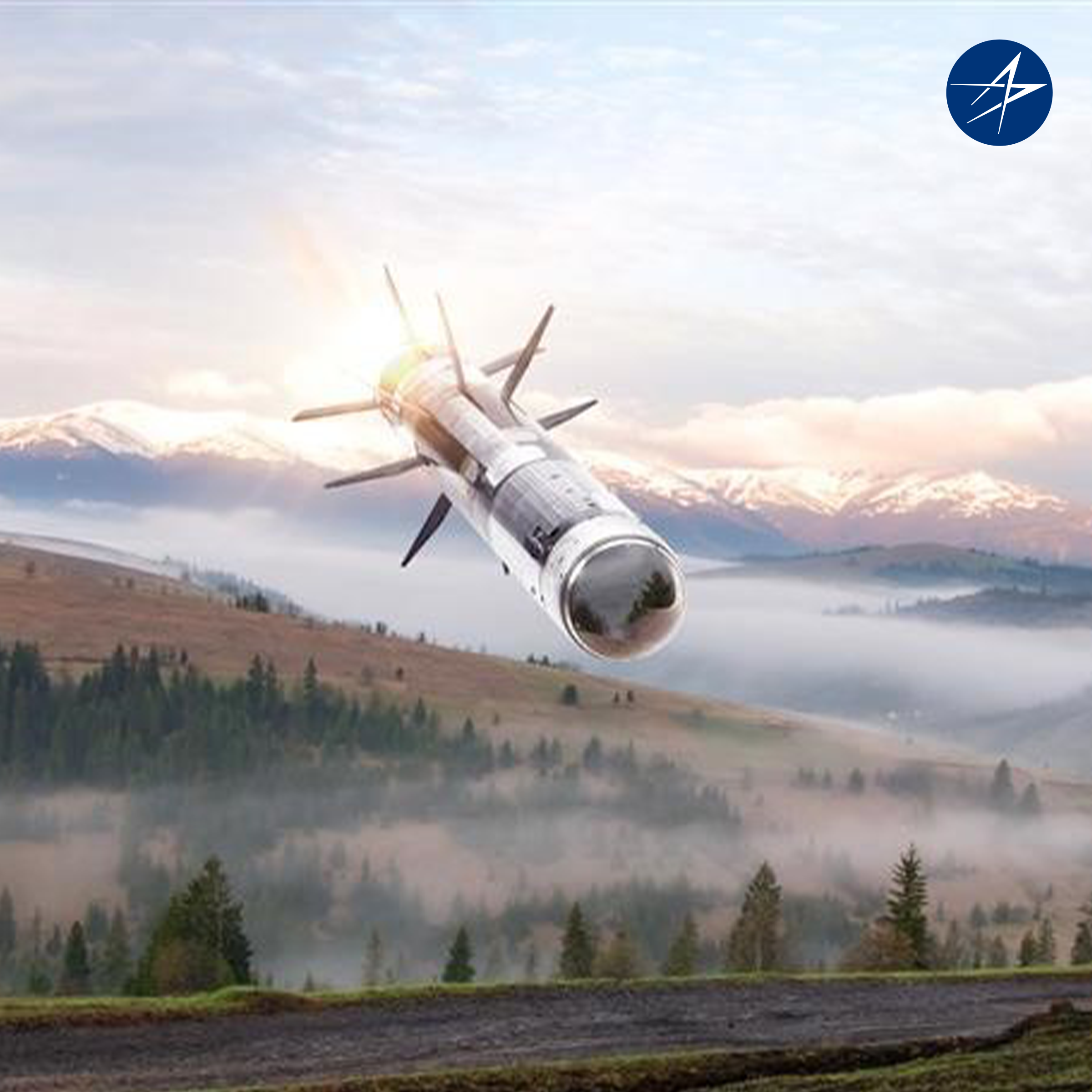

Summary
Tata Advanced Systems Limited (TASL) has signed a Memorandum of Understanding with the Javelin Joint Venture (JJV), a partnership between Raytheon and Lockheed Martin, to co-produce the Javelin All Up Round (AUR) anti-tank missile system within India. TASL was selected as the prime partner following a rigorous evaluation process, and the two parties will work toward establishing a final assembly and integration facility alongside component production capabilities on Indian soil. The arrangement maintains American manufacturing contributions, with sub-assembly kits being produced at Lockheed Martin's Troy, Alabama facility and guidance electronics units at Raytheon's Tucson, Arizona facility, before being shipped to India for final assembly. This co-production initiative is designed to strengthen India's defence industrial base by creating high-tech employment, advancing local manufacturing expertise, and improving global supply chain resilience amid increasing worldwide demand for the Javelin system. Beyond economic benefits, the agreement aims to enhance Indo-Pacific regional security by ensuring a reliable, locally sourced supply of Javelin systems, enabling faster deployment and sustained operational readiness for partner nations.
Key Takeaways
- 1. **Strategic Defence Partnership:** The MOU marks a significant deepening of US-India defence industrial cooperation, directly supporting interoperability and Indo-Pacific security objectives aligned with broader geopolitical partnership goals.
- 2. **In-Country Missile Production Capability:** India gains a sovereign final assembly and integration facility for the Javelin AUR, significantly enhancing its indigenous defence manufacturing capacity and reducing dependency on foreign supply chains.
- 3. **Dual Economic Benefits:** The agreement creates a mutually beneficial economic arrangement, generating high-tech jobs in India while simultaneously sustaining American defence manufacturing jobs across facilities in Alabama and Arizona.
- 4. **Supply Chain Resilience:** Establishing co-production in India addresses growing global demand for the Javelin system, improving supply chain robustness and ensuring faster fielding capabilities for Indo-Pacific partner nations during emerging security threats.
- 5. **Cost Efficiency for US Government Programs:** Increased production volumes through co-production are expected to help the US government achieve economic order quantities, improving affordability and delivering measurable cost savings across Javelin-related defence programs.