Beijing Pressures Tokyo to Hasten Cleanup of WWII-Era Chemical Weapons Abandoned on Chinese Soil

Summary
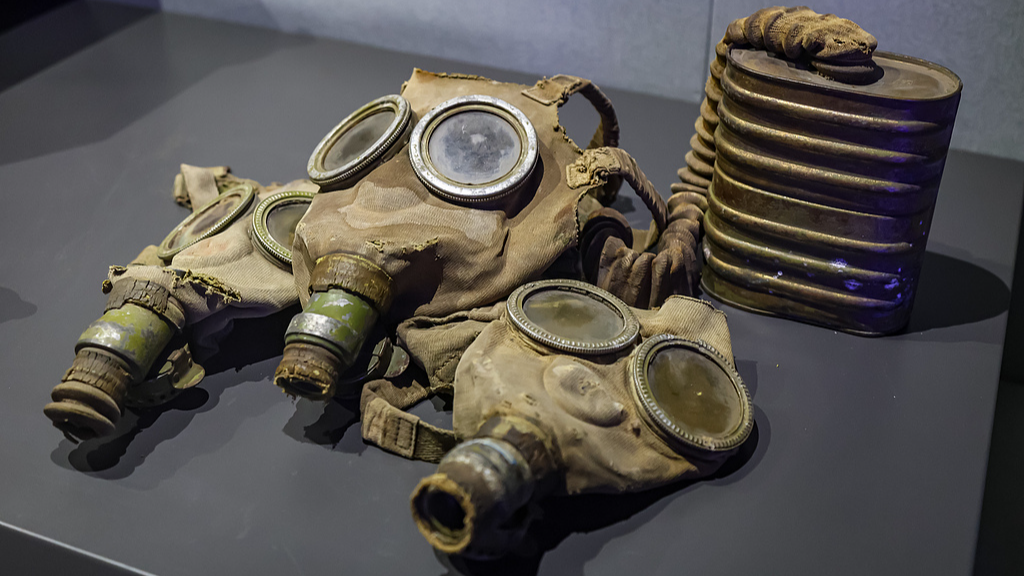
China's Foreign Ministry spokesperson Lin Jian publicly called on Japan to expedite the disposal of chemical weapons left behind in China following World War II, making the statement during a regular press briefing on Friday. The remarks were prompted by a recent civil group exhibition held in Yokohama, Japan, which documented how the Imperial Japanese military developed and deployed poison gas and chemical weapons against China and other Southeast Asian nations during WWII. Lin condemned Japanese militarism for violating international law through the large-scale development and use of chemical weapons, emphasizing that Japan deliberately abandoned these weapons after its defeat in an apparent attempt to conceal its wartime crimes. These abandoned weapons have since caused casualties among more than 2,000 people and continue to pose significant threats to human safety and China's ecological environment. China urged Japan to honor its obligations under relevant international conventions and bilateral memorandums, demanding accelerated remediation efforts to restore a safe and clean environment for the Chinese people.
Key Takeaways
- 1. **Ongoing Security Threat:** Abandoned Japanese chemical weapons from WWII remain an active danger on Chinese soil, having already caused over 2,000 casualties and continuing to threaten public safety and environmental integrity.
- 2. **Diplomatic Pressure:** China is applying formal diplomatic pressure through official Foreign Ministry channels, signaling that this issue remains a serious and unresolved point of bilateral tension between Beijing and Tokyo.
- 3. **Legal and Treaty Obligations:** China is invoking international conventions and existing bilateral memorandums to compel Japan to fulfill legally binding commitments regarding chemical weapons disposal, framing this as a matter of international law compliance.
- 4. **Historical Accountability:** The issue intertwines military history with contemporary security concerns, as China uses documented wartime atrocities to reinforce its demands, highlighting persistent sensitivities over Japan's WWII conduct in Asia.
- 5. **Regional Strategic Implications:** The matter extends beyond bilateral relations, as Japanese chemical weapons were also used across Southeast Asia, potentially drawing broader regional interest and adding multilateral dimensions to accountability and remediation efforts.