China's Landmark PLA Navy Destroyer Harbin Retired After Three Decades of Active Service

Summary
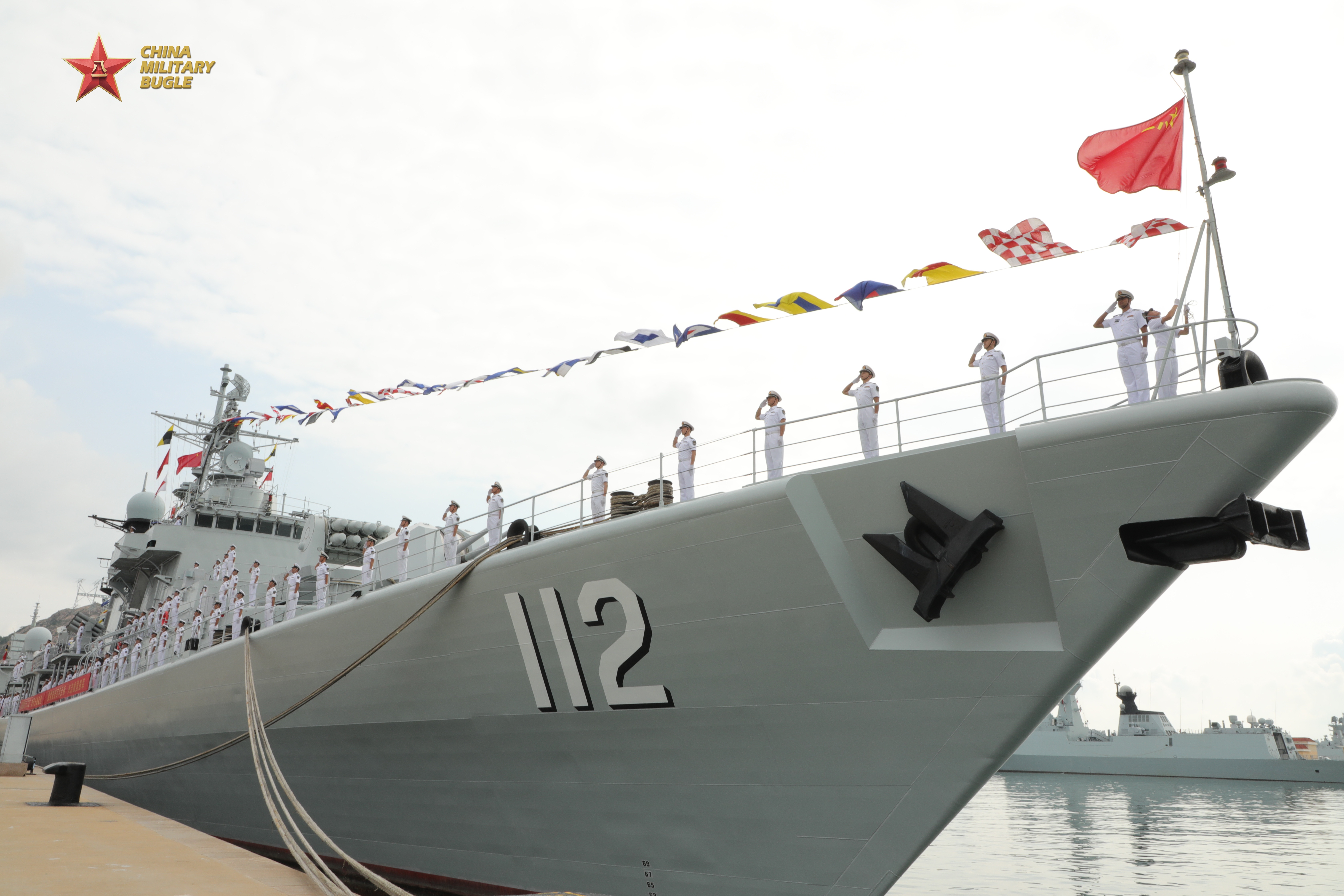
The guided-missile destroyer Harbin (Hull 112), historically recognized as China's first domestically-built second-generation guided-missile destroyer and nicknamed the "Number One Ship of China," was officially decommissioned on August 28, 2026, at a naval port in Qingdao, Shandong Province, following more than 30 years of distinguished service. Commissioned in May 1994 after its launch in August 1991, the vessel represented a landmark advancement in the PLA Navy's surface warfare capabilities, featuring a comprehensive weapons suite including naval guns, surface-to-air missiles, anti-ship missiles, and the capacity to carry two helicopters for anti-air, anti-surface, and anti-submarine operations. Throughout its operational life, the Harbin completed over 100 major combat readiness missions, safely navigated more than 400,000 nautical miles, and participated in 17 joint military exercises with foreign navies across 22 ports in 20 countries. The destroyer also served as a significant diplomatic instrument, receiving senior military officials from over 60 nations, thereby projecting China's naval confidence and openness on the global stage. Following its retirement, the vessel will be permanently stationed in Changsha City, Hunan Province, as a national defense education base, honoring the legacy of Xiao Jinguang, the PLA Navy's first commander.
Key Takeaways
- 1. The decommissioning of the Harbin marks the end of an era for China's second-generation domestically-built destroyer program, reflecting how significantly PLA Navy capabilities have advanced since the 1990s
- 2. The vessel's comprehensive multi-domain warfare capabilities — anti-air, anti-surface, and anti-submarine — established a critical benchmark for subsequent Chinese naval surface combatant development
- 3. With participation in 17 joint military exercises and port visits to 20 countries including Russia, the United States, and Australia, the Harbin served as a powerful naval diplomacy and soft power instrument for China
- 4. The ship's operational record of over 400,000 nautical miles and 100+ major combat readiness missions demonstrates the PLA Navy's growing emphasis on blue-water operational experience and endurance
- 5. Converting the warship into a national defense education base signals China's strategic intent to leverage military heritage for public patriotic education and to reinforce domestic support for continued naval modernization