Investigation Reveals Misplaced Toilet Paper and Human Mistakes Contributed to Nearly Half-Day Fire on USS New Orleans

Summary
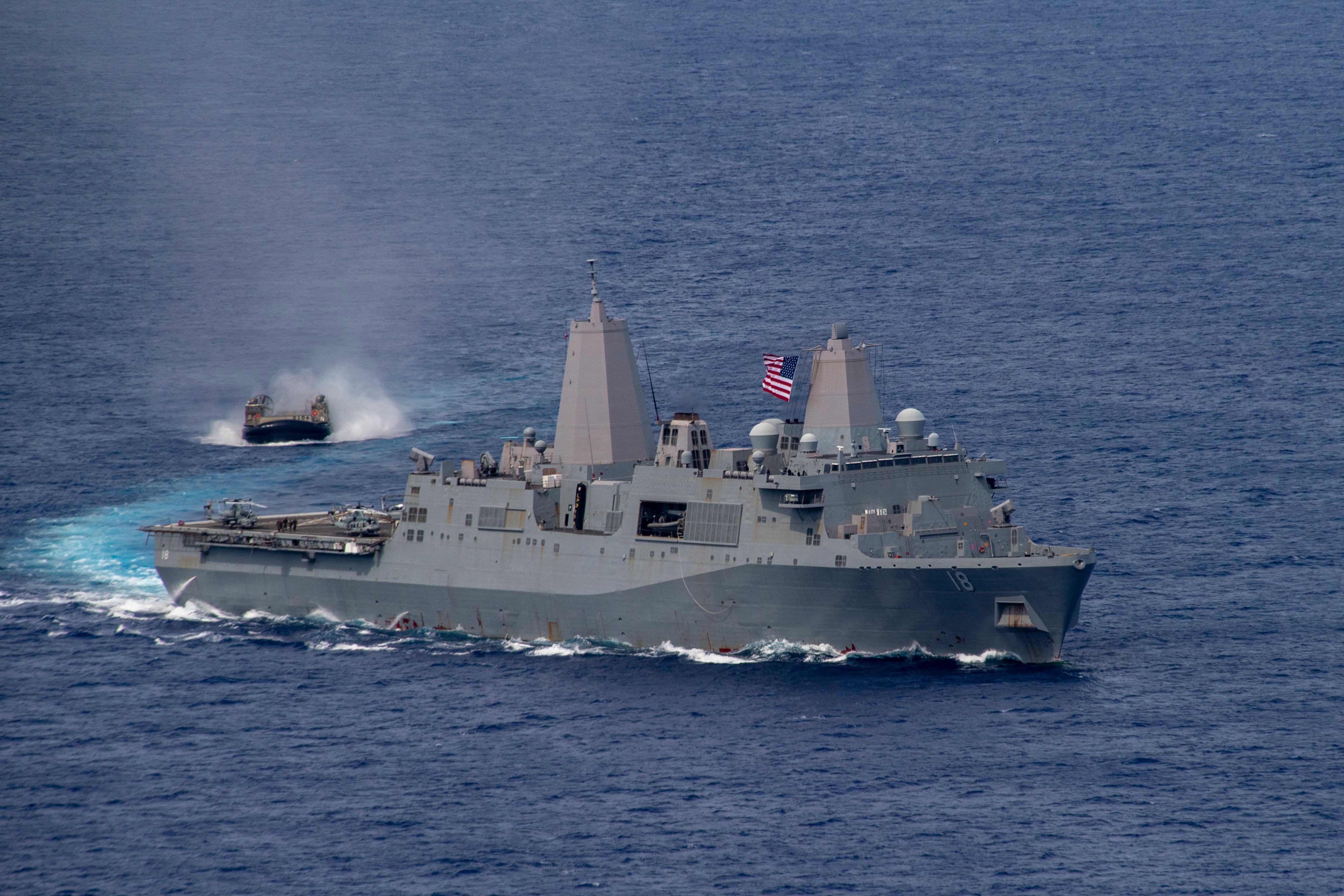
A Navy command investigation into an 11-hour fire aboard the USS New Orleans on August 20, 2025, off the coast of Okinawa, Japan, found that while the exact ignition source remains unknown, human interaction — either intentional or negligent — is the suspected cause. The fire, which caused approximately $12 million in damage and left two sailors with minor injuries, was significantly worsened by 100 boxes of toilet paper that blocked sprinkler heads in a special clothing storeroom, allowing the fire to grow larger and burn longer than it otherwise would have. Response efforts were further hampered by a lack of proper forcible entry equipment, the premature deployment of a nearby firefighting system, and investigators' failure to properly establish fire and smoke containment boundaries, allowing smoke and water to spread throughout the ship. Leadership aboard the vessel also demonstrated a poor understanding of the ship's firefighting systems, over-relying on water rather than the ventilation system, which created steam, reduced visibility, and flooded interior spaces. Following repairs, the USS New Orleans returned to service in January 2026, and the Navy stated that lessons learned from the incident have since been incorporated into damage control training requirements fleet-wide.
Key Takeaways
- 1. The exact cause of the fire remains undetermined, though NCIS has attributed it to human interaction, either through negligence or intentional action
- 2. One hundred boxes of improperly stored toilet paper blocked sprinkler heads and acted as kindling, dramatically extending the fire's duration and intensity
- 3. Investigators were delayed in locating and accessing the fire due to missing forcible entry equipment and a lack of proper training, worsening the overall response
- 4. Poor fire boundary management and the premature activation of a nearby suppression system allowed smoke and water to spread to unaffected areas of the ship
- 5. The Navy has since integrated the lessons learned from this incident into damage control training and inspection protocols across the entire fleet