Wagering on the Future of Self-Flying Military Aircraft

Summary
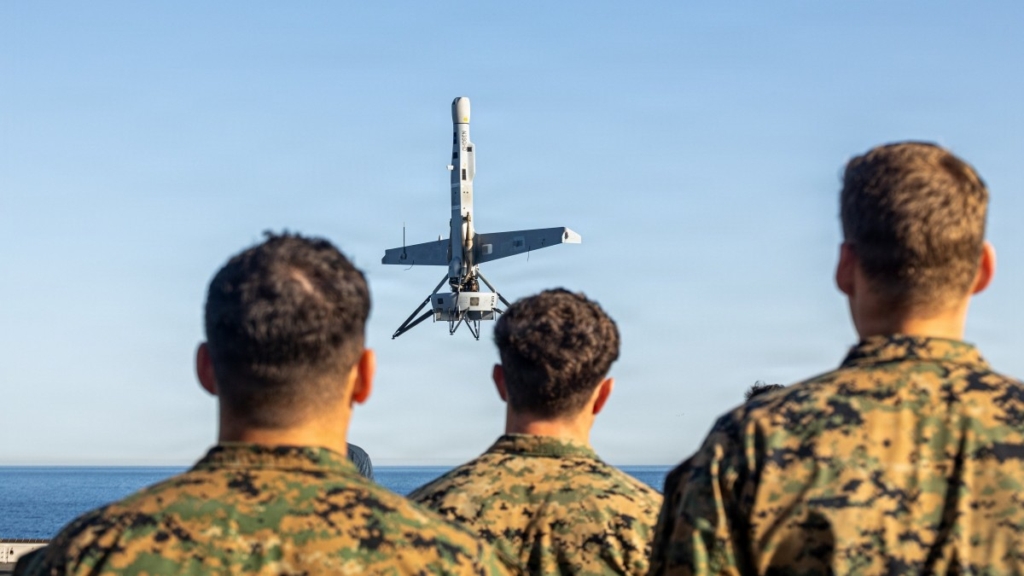
Brandon Tseng, co-founder and president of Shield AI and former Navy SEAL, discusses his decade-long journey building autonomous defense systems, revealing that in 2015 he predicted autonomous military systems would become ubiquitous by 2035, a timeline he has since revised to 2040-2045 due to slower-than-expected Pentagon procurement processes and investor reluctance. Shield AI's core strategy centers on developing Hivemind AI pilot software that can operate across more than 30 different platforms — including aircraft, sea, and land vehicles — with approximately 90% of the software architecture transferable between hardware systems, dramatically reducing integration timelines from three years to as little as two weeks. Tseng challenges the notion that the company bets solely on software over hardware, instead arguing that the combination of world-class software and hardware creates the most durable competitive advantage, with products like the V-BAT drone delivering Predator-equivalent missions at one-tenth the cost. A critical gap Tseng identifies in current defense thinking is the neglect of military intelligence and persistent surveillance, noting that the U.S. likely monitors less than 10% of significant warzone terrain at any given time, creating a "missing middle layer" between strategic and tactical reconnaissance. He further argues that autonomy remains severely underinvested relative to weapons production, partly due to a Pentagon culture that historically undervalues software despite its outsized battlefield impact.
Key Takeaways
- 1. Shield AI's Hivemind autonomy software is designed to be hardware-agnostic, enabling rapid deployment across dozens of platforms and reducing integration time from years to weeks as the architecture matures
- 2. Tseng acknowledges misjudging the pace of Pentagon adoption and investor appetite, pushing his original 2035 prediction for autonomous systems ubiquity back by roughly a decade
- 3. The company pursues hardware development selectively, targeting markets where it can achieve at minimum a tenfold improvement in price-performance ratio compared to existing solutions
- 4. Military intelligence and persistent battlefield surveillance represent a critically overlooked priority, with the U.S. currently monitoring a fraction of relevant warzone terrain due to disconnected drone infrastructure
- 5. The Pentagon's cultural tendency to undervalue software investment remains a systemic obstacle to fully realizing the battlefield advantages that autonomy and AI-driven systems can provide