British Prime Minister Burnham Travels to Ukraine with Initiative to Boost Domestic Long-Range Missile Manufacturing

Summary
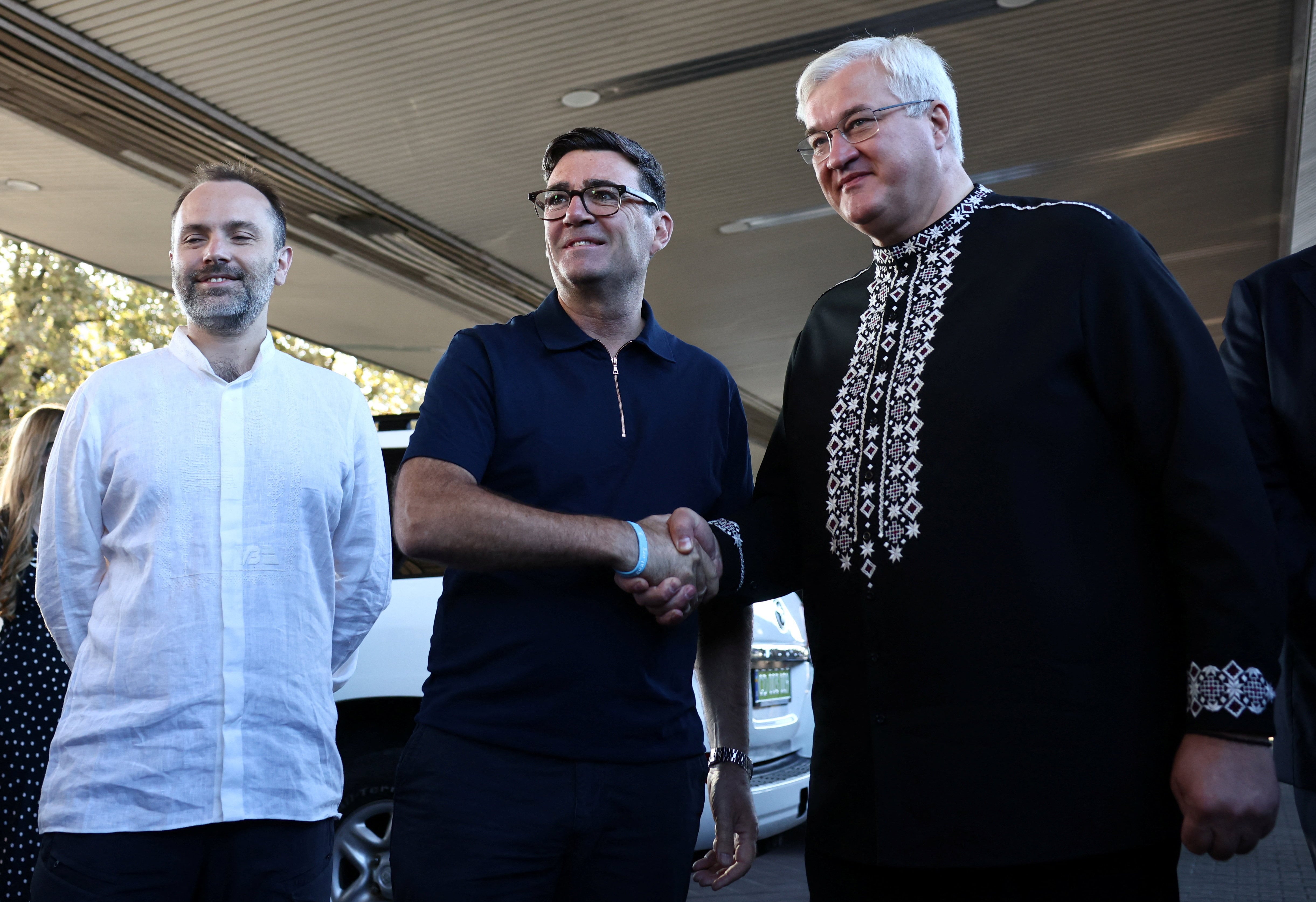
UK Prime Minister Andy Burnham is making his first international trip since assuming office by visiting Ukraine, where he will co-chair a Coalition of the Willing meeting and hold talks with President Volodymyr Zelenskyy. A centerpiece of the visit is Britain's announcement that it will permit European defense manufacturer MBDA to share classified technical information about British-made components in the SCALP long-range cruise missile, enabling France and Ukraine to establish local missile assembly lines. This move reflects Britain's continued commitment to Ukraine's defense, as the UK has been among Kyiv's most steadfast supporters since Russia's full-scale invasion in 2022, contributing over £25 billion in combined military and civilian aid. The visit also comes amid Russian warnings to Britain over its drone supplies to Ukraine and growing Ukrainian reliance on long-range strike weapons to hit targets deep inside Russian territory. Burnham aims to signal continuity in British leadership on Ukraine's security under his new Labour government, following Zelenskyy's visit to the UK in late July.
Key Takeaways
- 1. UK Prime Minister Burnham's first overseas trip focuses on strengthening Ukraine's defense capabilities, particularly long-range missile production
- 2. Britain will allow MBDA to release classified information enabling local SCALP cruise missile assembly lines in France and Ukraine
- 3. The UK has provided more than £25 billion in military and civilian support to Ukraine since Russia's 2022 invasion
- 4. Russia has issued warnings to Britain over its drone supplies, accusing London of deepening involvement in the conflict
- 5. Ukraine's increasing use of long-range strike weapons against Russian infrastructure is driving the push to expand domestic missile manufacturing capacity